Browse

Free fares aren’t getting Estonians out of their cars. In fact, more of them drive today than in 2013.
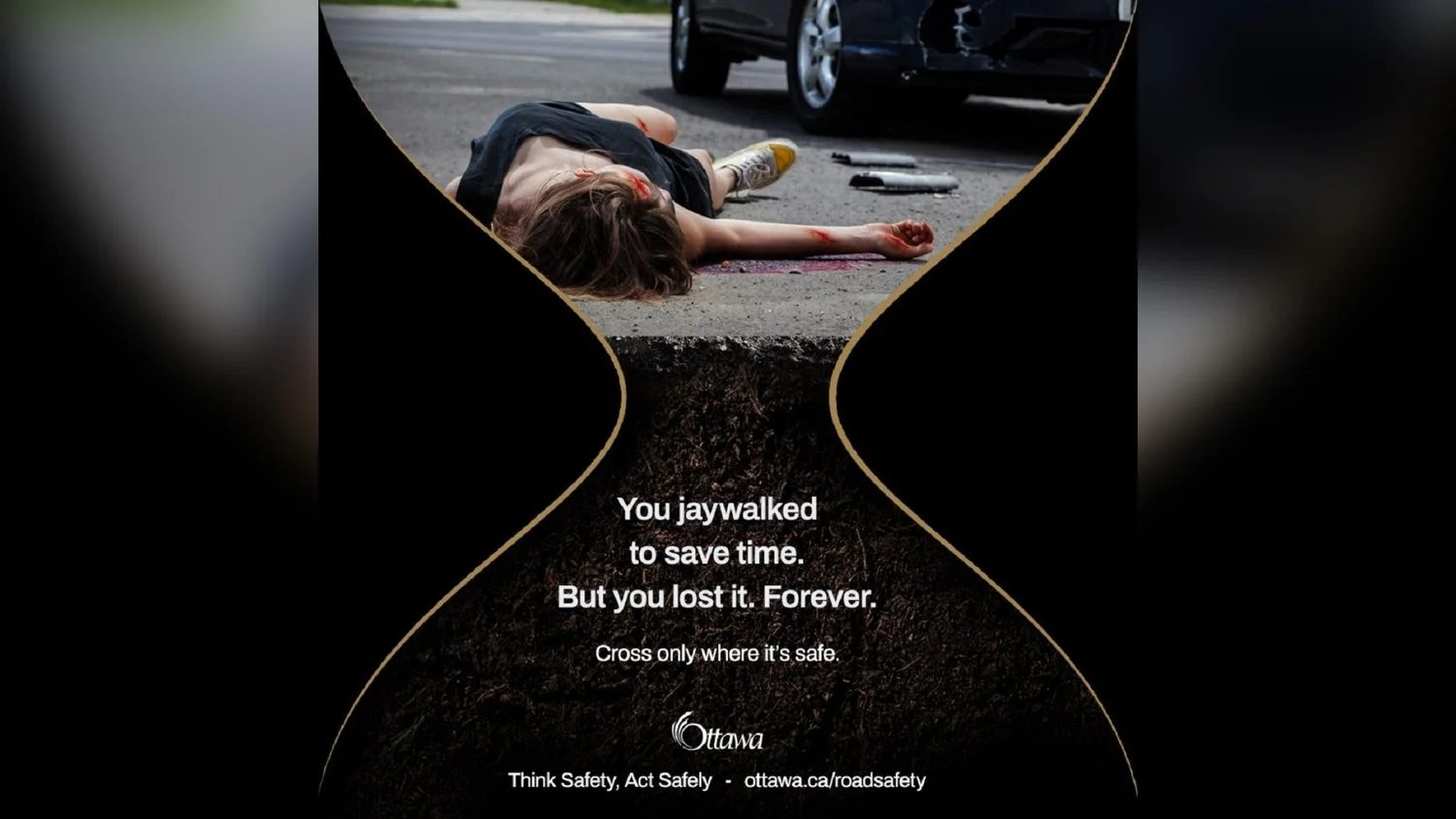
Ottawa doesn't have a reckless pedestrian problem. It has a design problem.
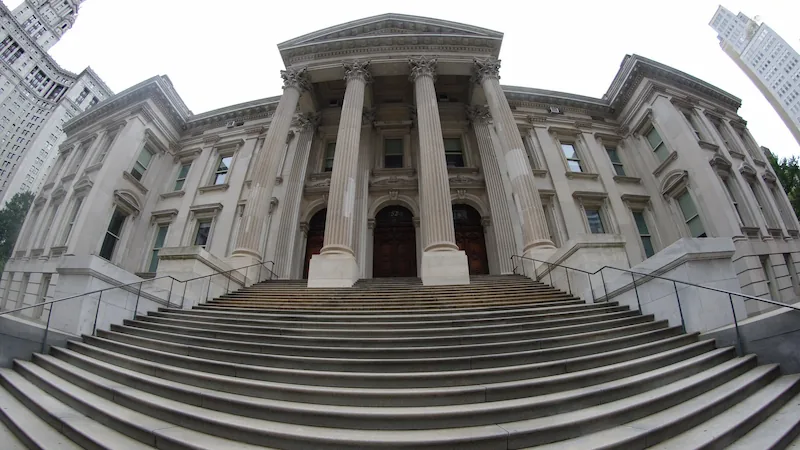
Have you ever been dismissed at city hall when bringing up a persistent issue in your community?
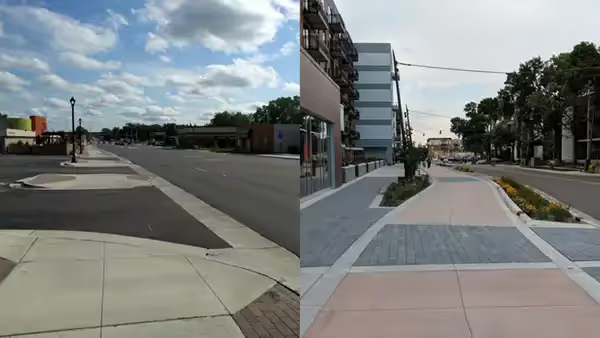
Why does walking feel so intuitive when we’re in a city built before cars, yet as soon as we return home, walking feels like an unpleasant chore that immediately drives us into a car?

There's power in numbers, both in safety and visibility.
.webp)
“Is this place somewhere? Or is it nowhere? And what things might we start doing to make it feel like somewhere?”
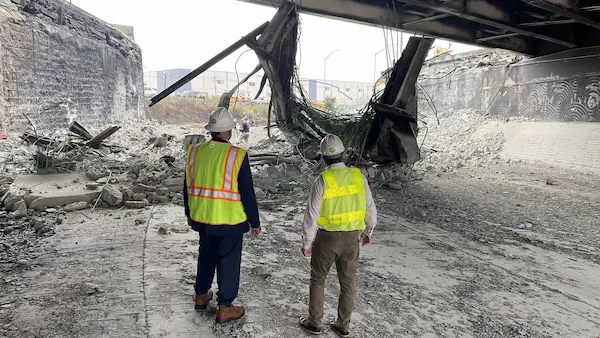
A tanker truck caught fire, killing its driver and devastating over 100 feet of Interstate 95 above it. With the highway decommissioned, how did people get around?
.webp)
When the status quo is producing traffic fatality after traffic fatality, it's time to experiment.
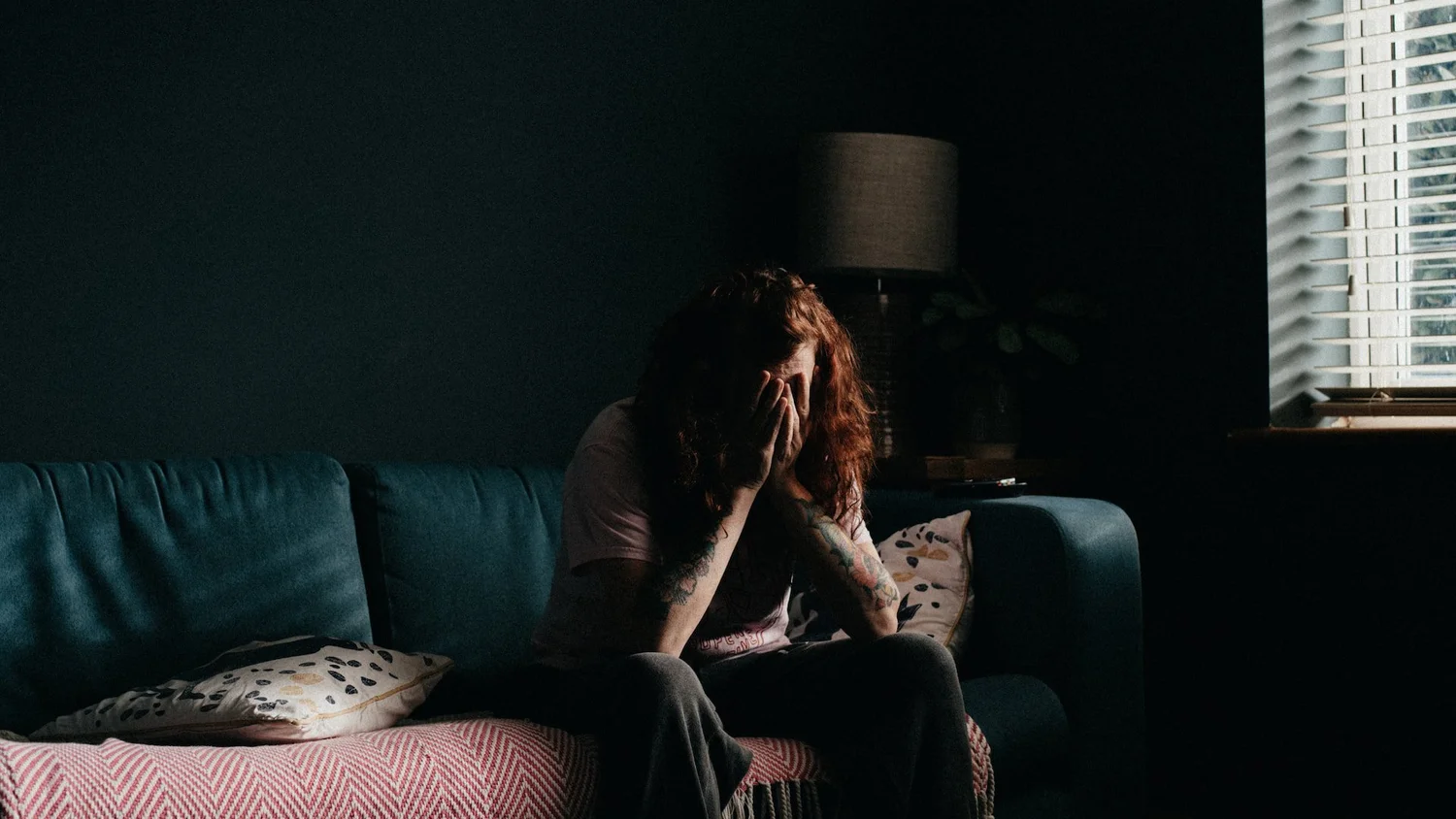
“My heart feels like it died that day. My whole life has been affected and I can’t seem to grasp it back. I feel as if I can’t breathe at times.”
.webp)
This Maryland makeover is a cautionary tale of where “Complete Streets” fall short.
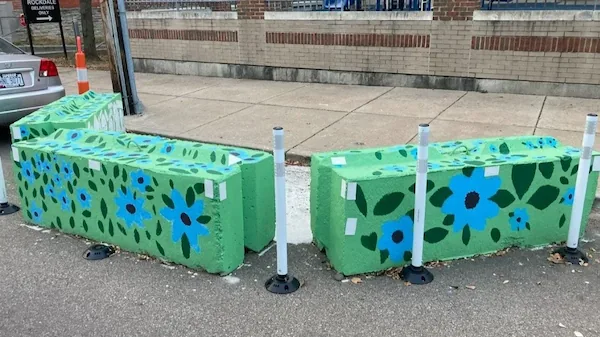
A lesson from the tactical urbanism playbook appeared on one of the city's most dangerous streets.
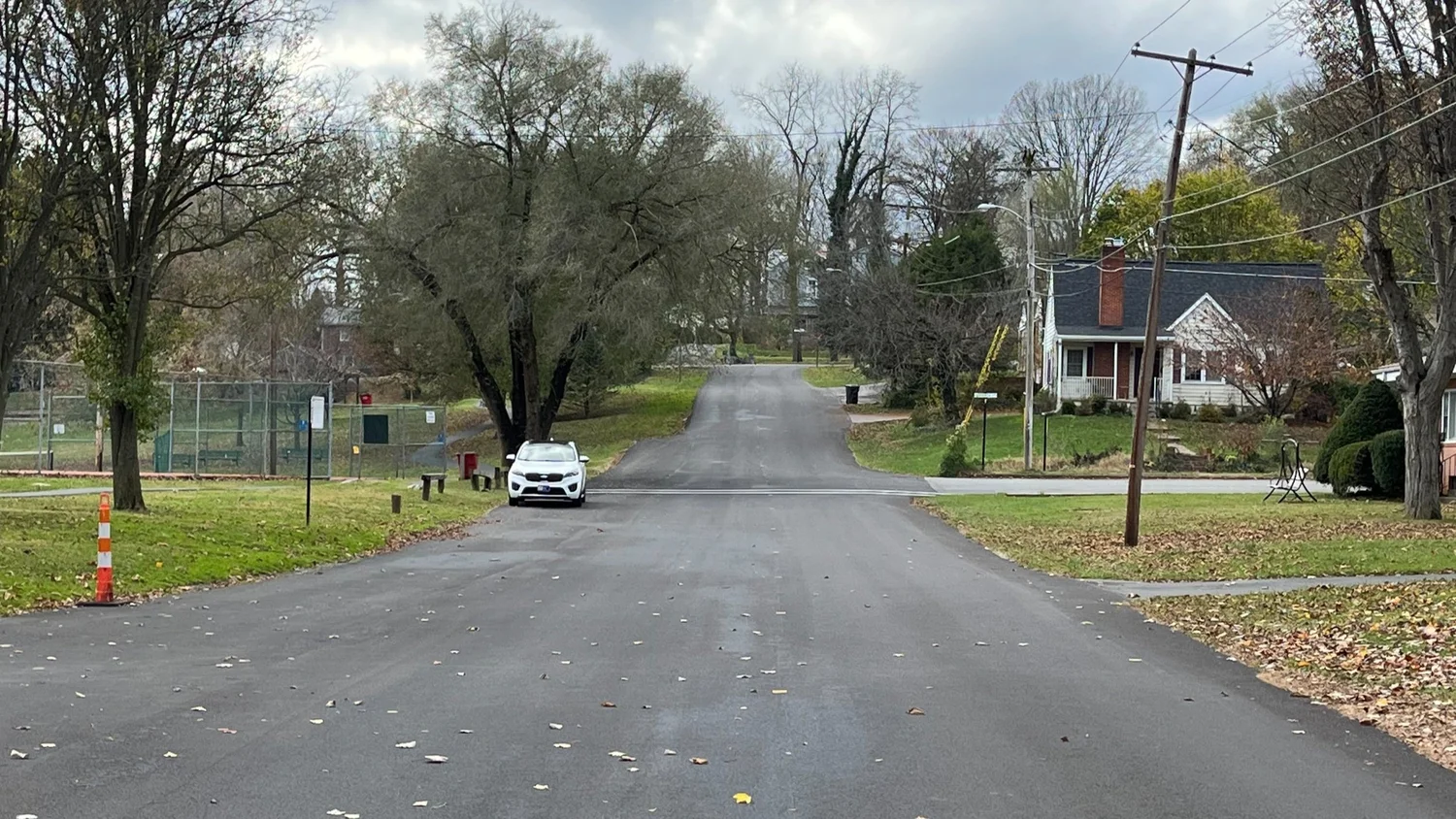
Sometimes all you need to make a street less dangerous for kids is a tape measure, paint roller, and a few hundred dollars of road paint.
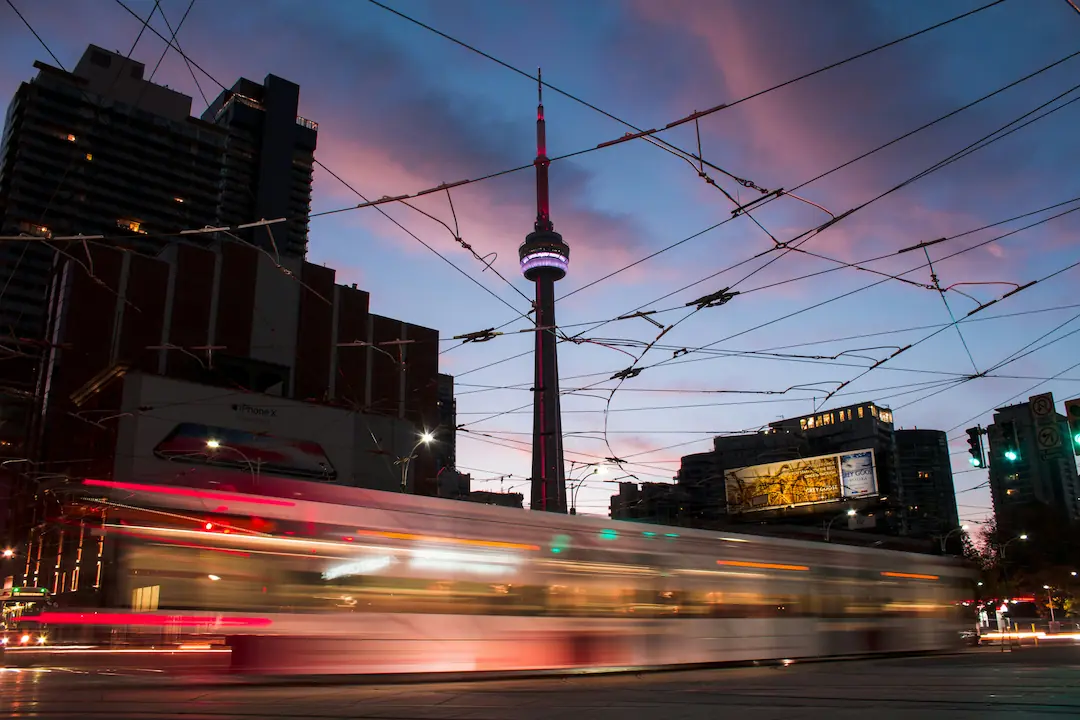
"So, here's the problem..." Transit is a wealth accelerator. Why aren't we thinking of it that way?
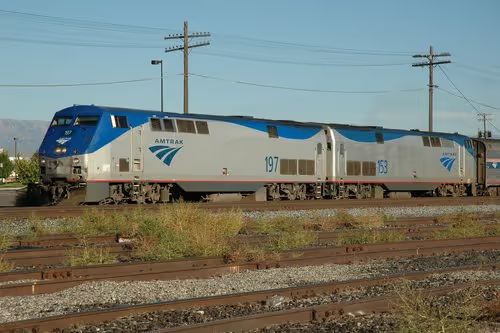
A top-down approach to addressing accidents fails to make streets safer. A local approach could change that.
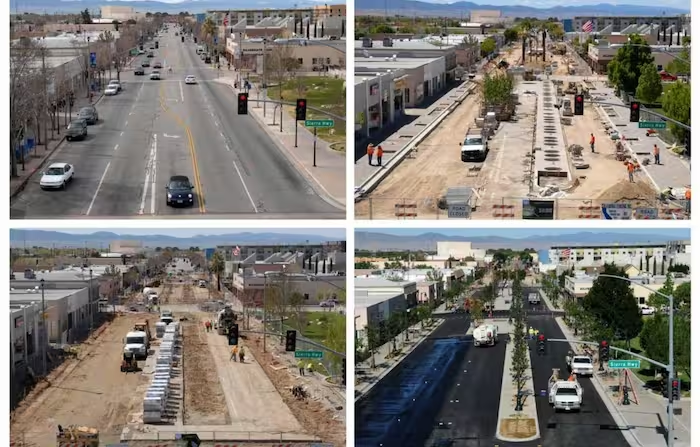
There are thousands of stroad sections in the US. Transforming a good number of them is important to to the goal of improving quality of life and mobility in cities and towns.
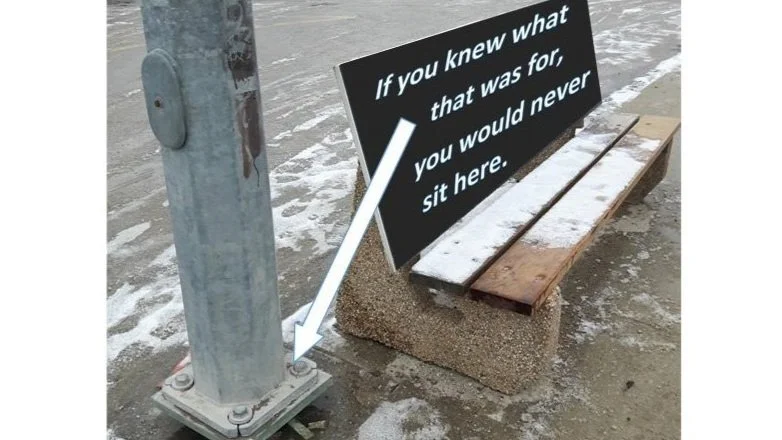
These crashes aren’t accidents—they’re the predictable result of streets designed to forgive high-speed driving, even if that means putting people in harm’s way.

Have we optimized for a built environment that's hostile to its original inhabitants?
.webp)
"Waco’s freak blizzard last year was a perfect window into seeing a city that isn’t winter ready."
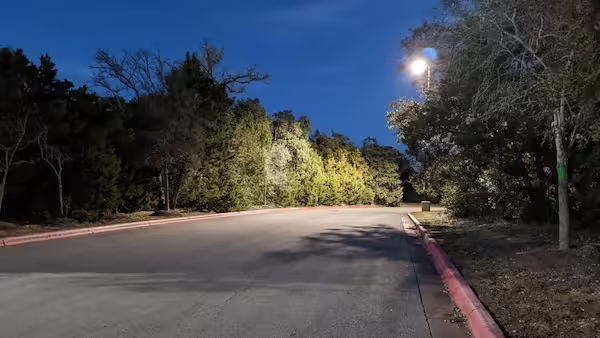
Car-oriented suburban design often leaves people navigating empty, isolating spaces that feel unsafe—even in the middle of the day.
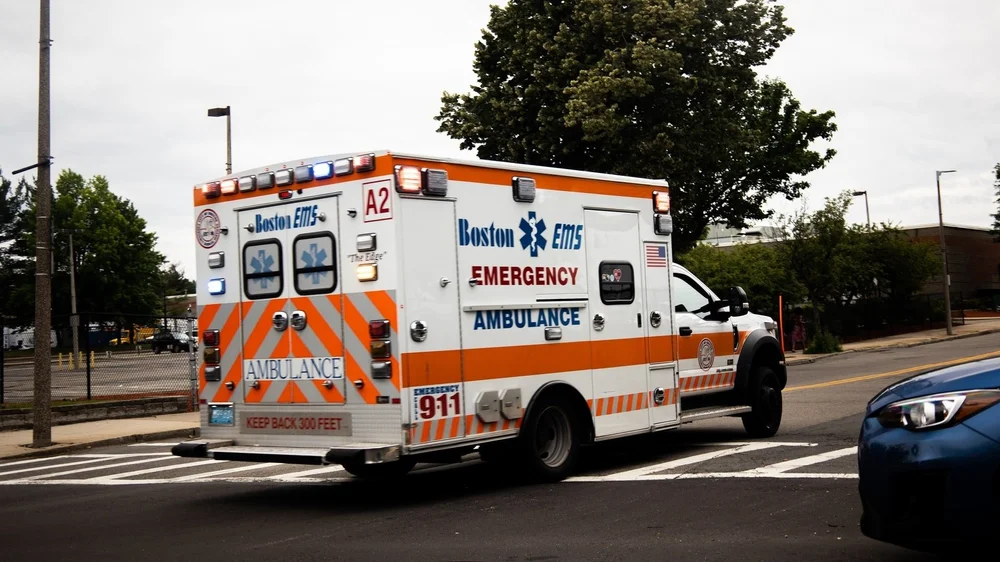
Americans drove less during the early months of the pandemic, yet traffic fatalities increased. Experts thought fatality rates would've since reverted. That didn’t happen.

Engineers are great at building roads, but we should never ask them to build our streets.
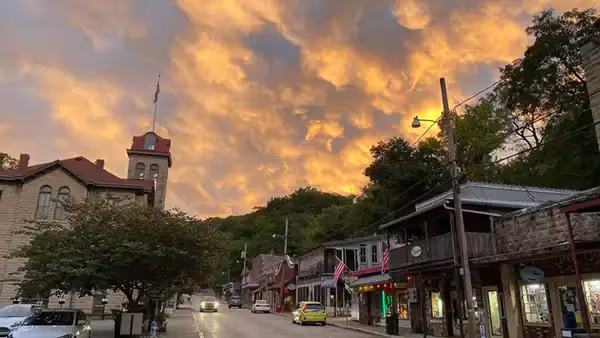
Rural places can be walkable. But we shouldn’t have to go on vacation to find a walkable town.
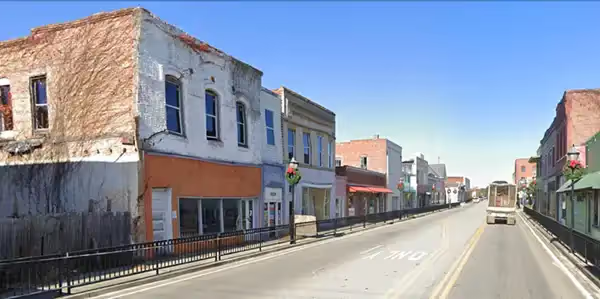
How one small town in South Carolina destroyed everything that makes their downtown...a downtown.
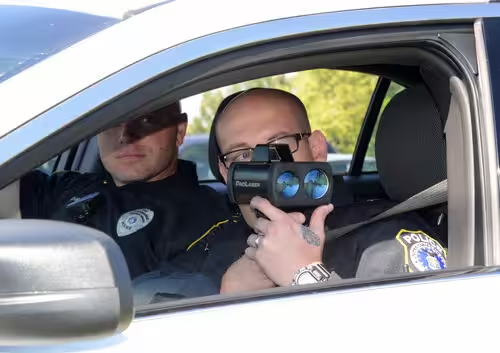
This observation of human behavior has long been a source of frustration for safety advocates, but that doesn’t make it wrong.