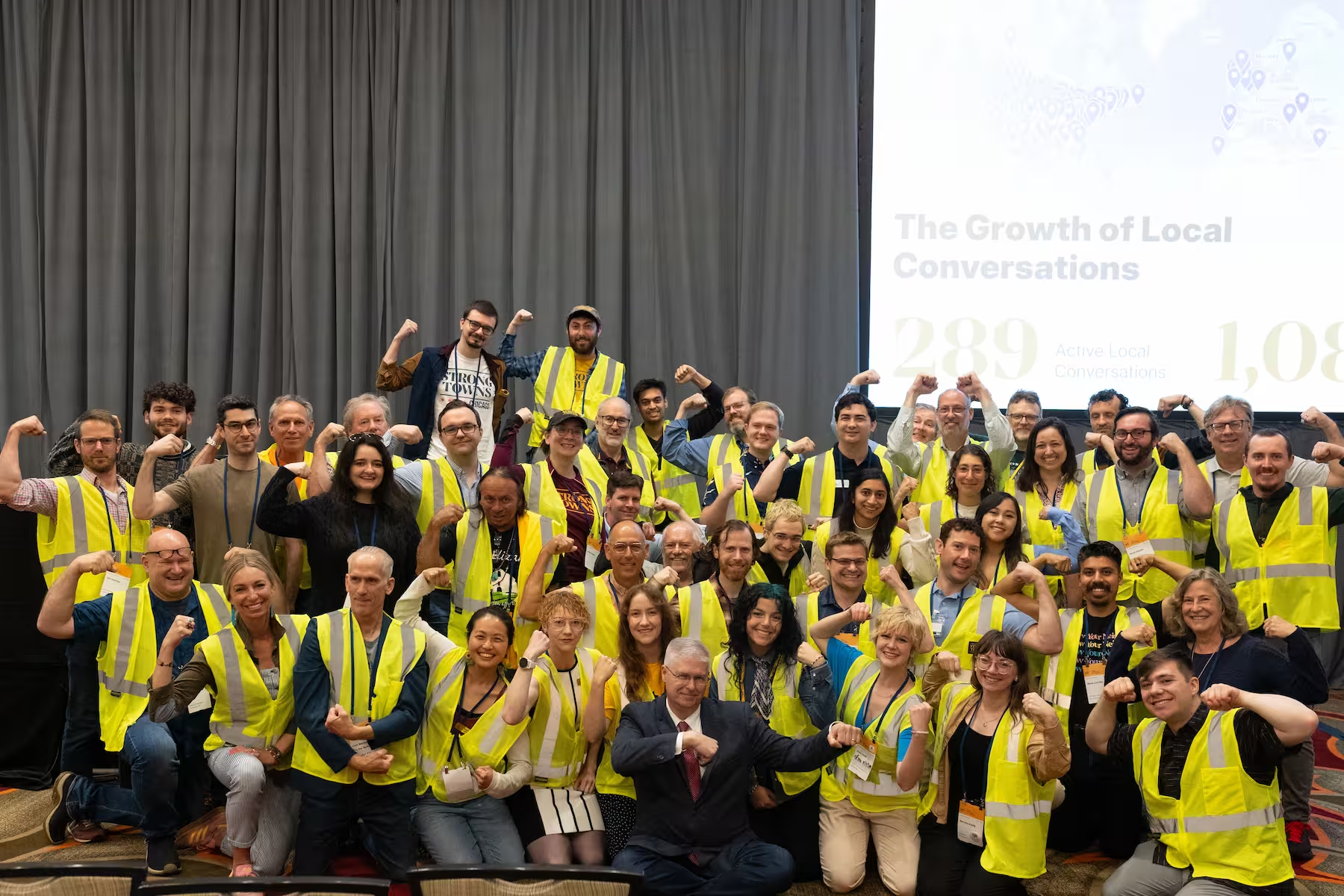
A Member-Powered Movement for Action
The way we build our cities and towns is fundamentally broken. Strong Towns members are turning ideas into action and helping communities become stronger.
What’s the Issue?
North American cities and towns are developed in a way that is:
Financially unproductive, unable to generate enough wealth to sustain the infrastructure and services they depend on.
Hostile and unadaptive to human-scale community life.
Dependent on distant, top-down systems that leave people feeling powerless to improve their own places.
You see the symptoms everyday:
Broke Cities
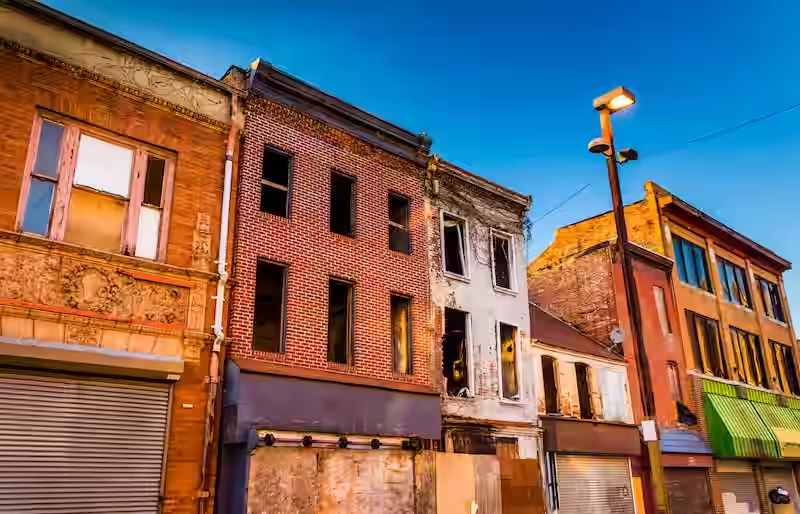
Social Isolation
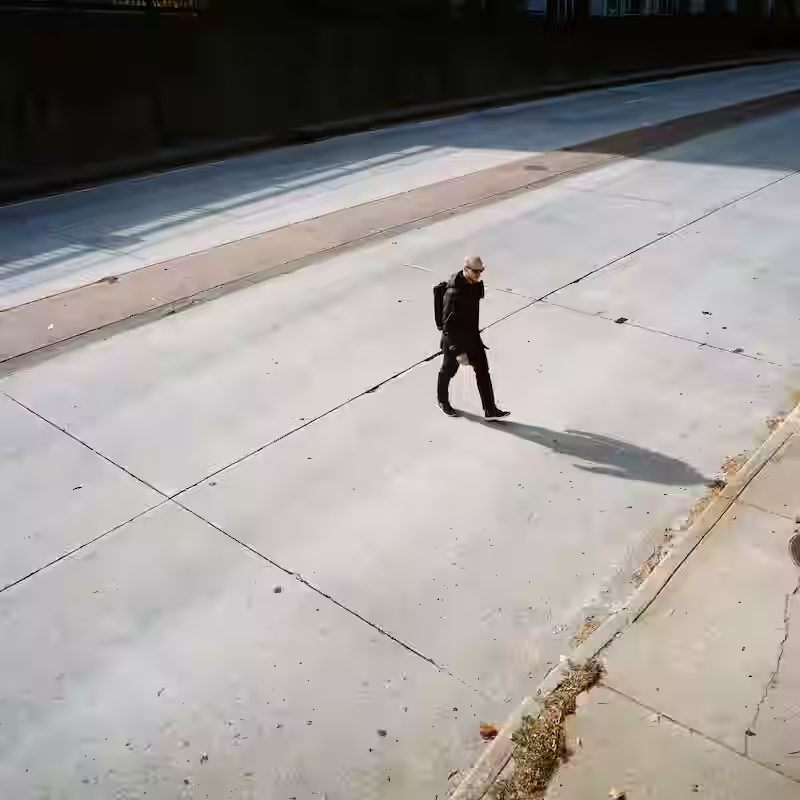
Crumbling Infrastructure
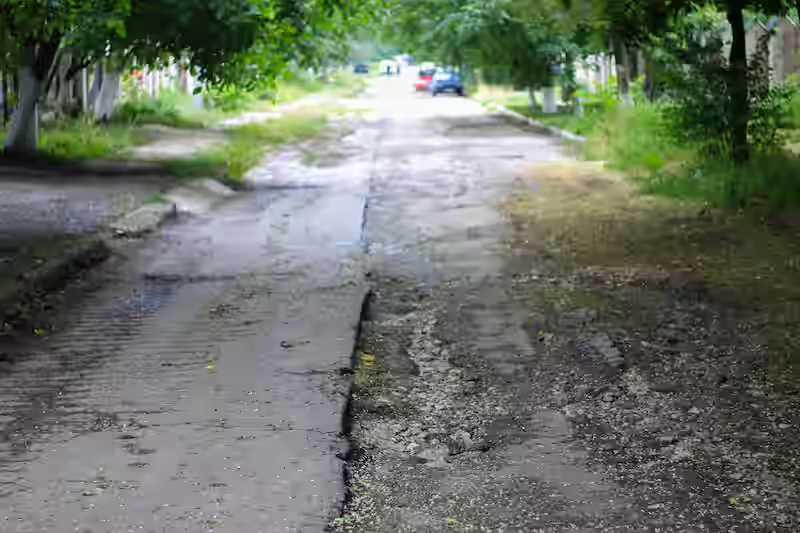
Dangerous Streets
Rising Housing Prices
Struggling Local Businesses

Broke Cities
Social Isolation
Crumbling Infrastructure
Dangerous Streets
Rising Housing Prices
Struggling Local Businesses
Why Does Strong Towns Exist?
Strong Towns exists to help people take practical action where they have the most power: on their block, in their neighborhood, and at city hall.
How Do Members Help?
This movement grows because people take ownership of it.
Strong Towns members come from all walks of life, but they share a belief that stronger places are possible.
Together, they help advance this movement in three key ways:
Members spread Strong Towns ideas and lead conversations to build a culture ready for change.
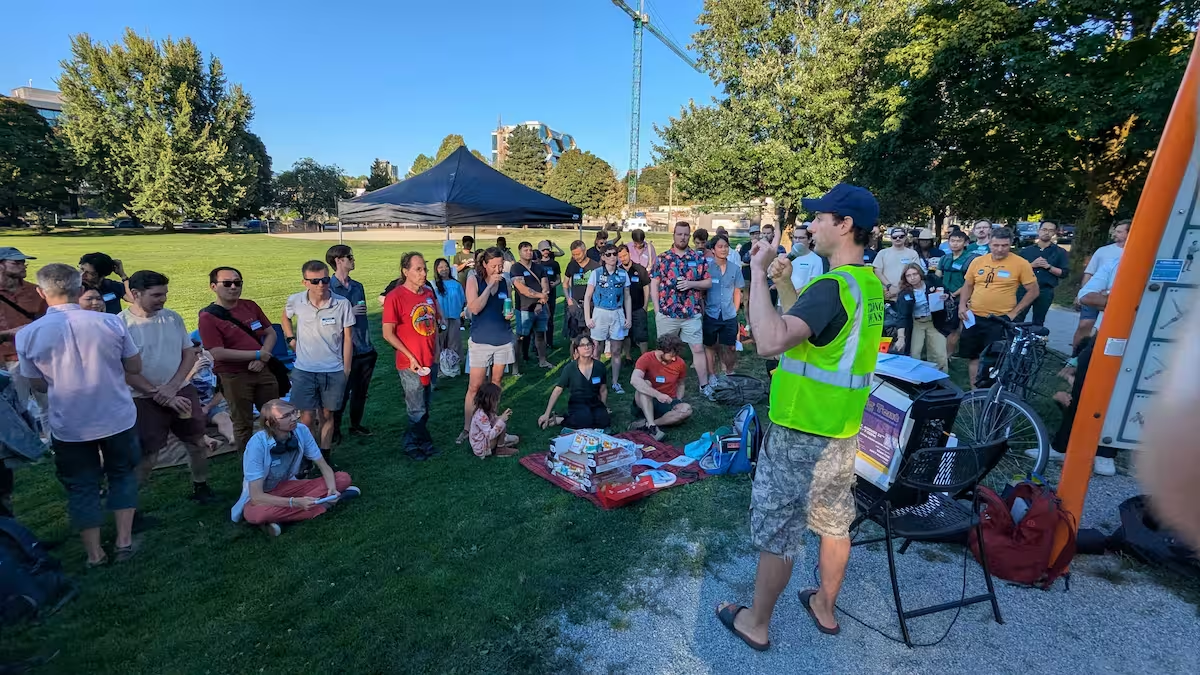
Even when local leaders have the expertise to adopt the Strong Towns approach, they often lack the cultural support to make it happen. Strong Towns members start the dialogue that makes lasting change possible.
Members are those speaking at council meetings, organizing walking tours, and finding neighbors to join them.
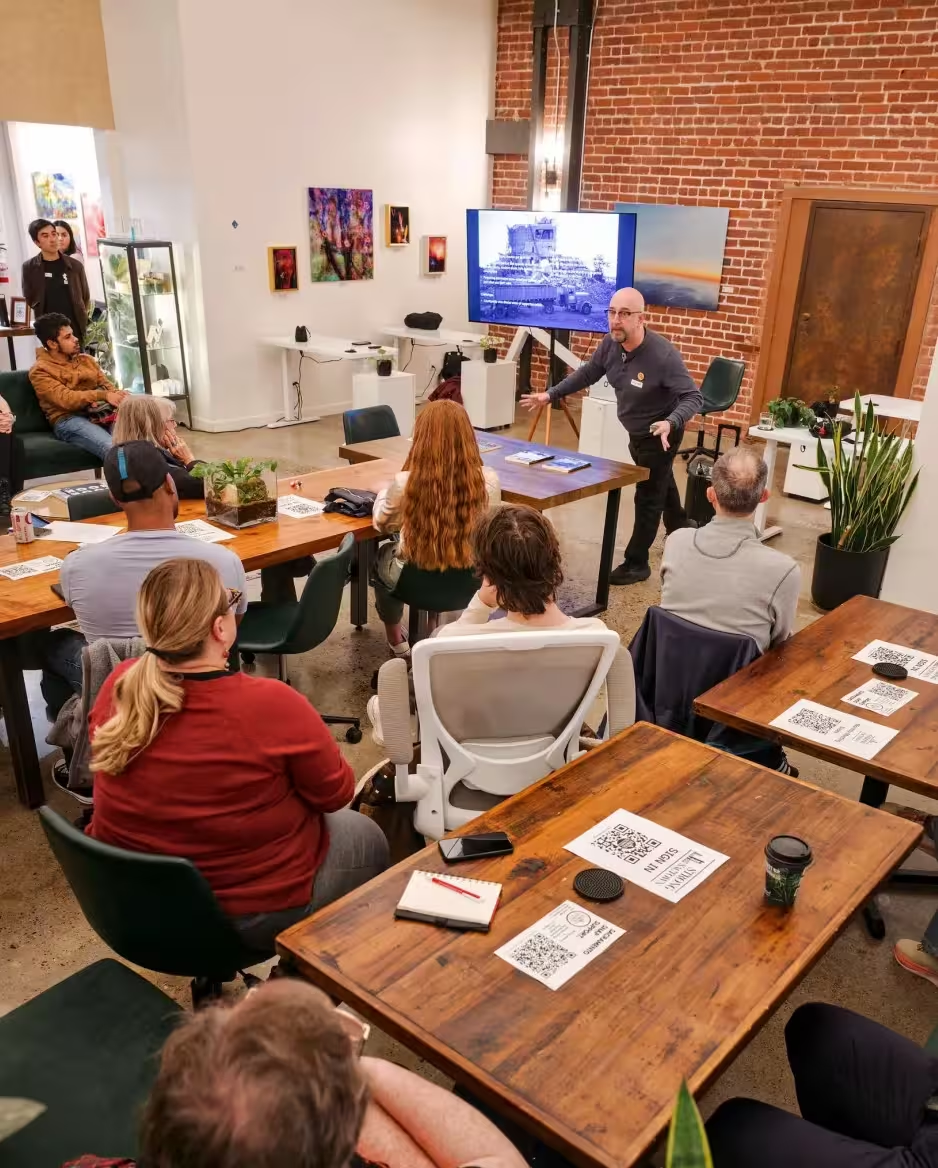
Strong Towns' work is rooted in local action. Members are those that actually act. Large or small, their actions are what lead to real impact in real places.
Members help Strong Towns remain independent, focused, and locally grounded.
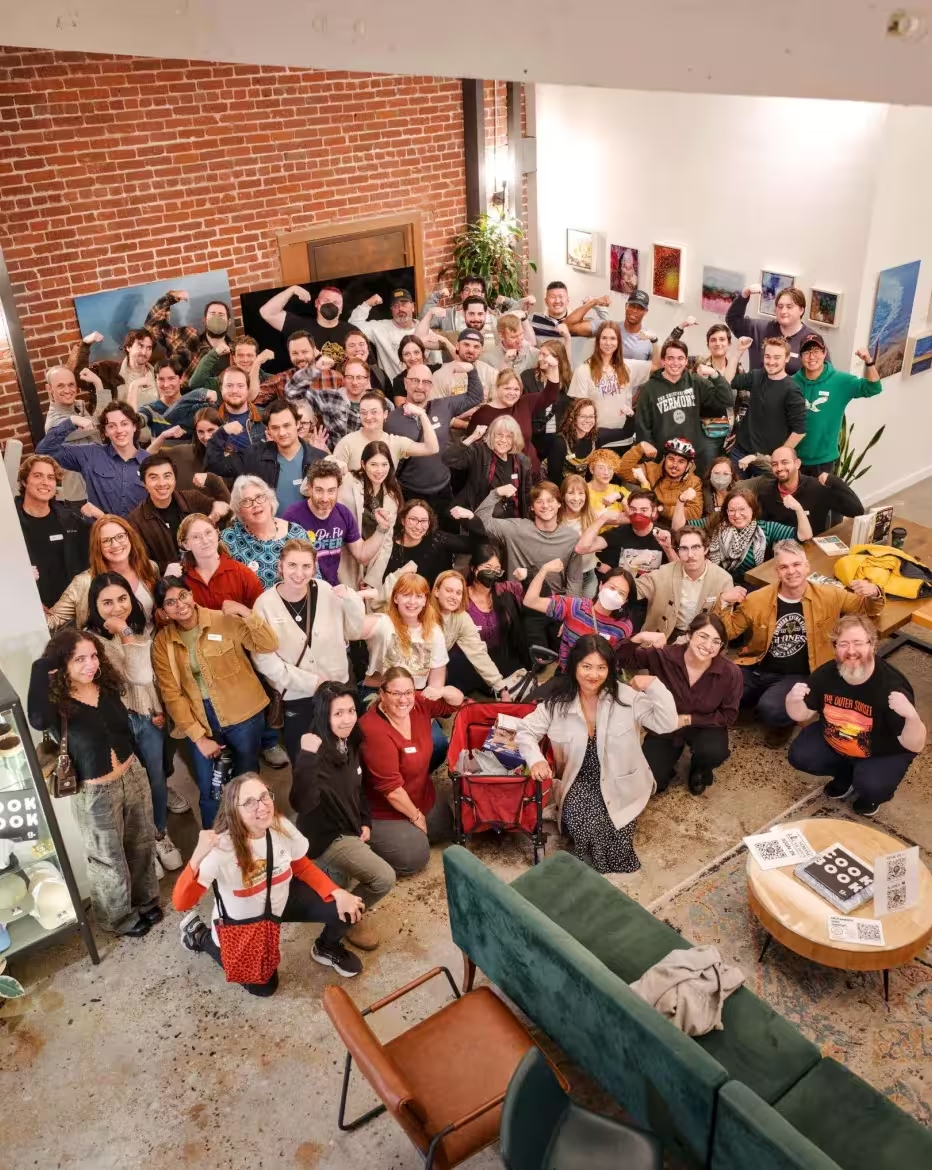
Through donations of any amount, Strong Towns members allow the organization and movement to stay true to our goals. These dedicated advocates allows us to avoid outside influences that could divert us from our mission.
Members spread Strong Towns ideas and lead conversations to build a culture ready for change.
Even when local leaders have the expertise to adopt the Strong Towns approach, they often lack the cultural support to make it happen. Strong Towns members start the dialogue that makes lasting change possible.
Members are those speaking at council meetings, organizing walking tours, and finding neighbors to join them.
Strong Towns' work is rooted in local action. Members are those that actually act. Large or small, their actions are what lead to real impact in real places.
Members help Strong Towns remain independent, focused, and locally grounded.
Through donations of any amount, Strong Towns members allow the organization and movement to stay true to our goals. These dedicated advocates allows us to avoid outside influences that could divert us from our mission.
Membership looks different for everyone.
Become a member of the movement.
Some members lead local efforts. Some share ideas with neighbors. Some support the work financially. Together, they are helping build stronger cities, towns, and neighborhoods.
Membership is one way to say: "This work matters, and I want to help make it stronger."