
If you’re in the business of trying to change the world around you, sooner or later you’ll need to be a persuasive communicator—but being persuasive isn’t just about getting your facts right.

Searching for a place where people work together and things actually get done? Look no further than Jasper, IN, where a gorgeous downtown renovation serves as an example of a place that’s “built by many hands.”
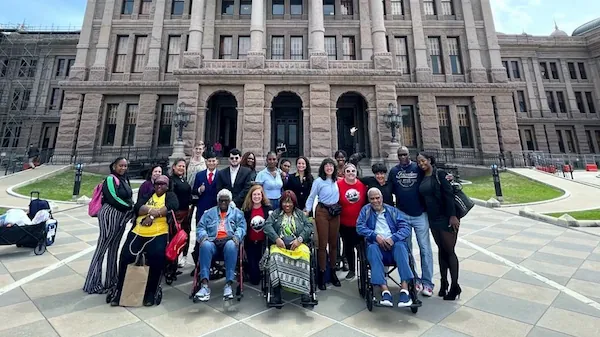
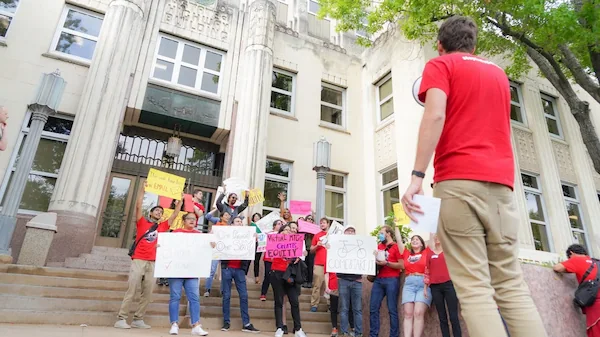
“At the end of the day, there’s no formal process for integrating our feedback... So it’s a bit of a dog-and-pony show."
.jpg)
Local advocates in Langley, BC, are starting the conversations their city needs to hear if it wants to undo decades of investing in the Suburban Experiment.
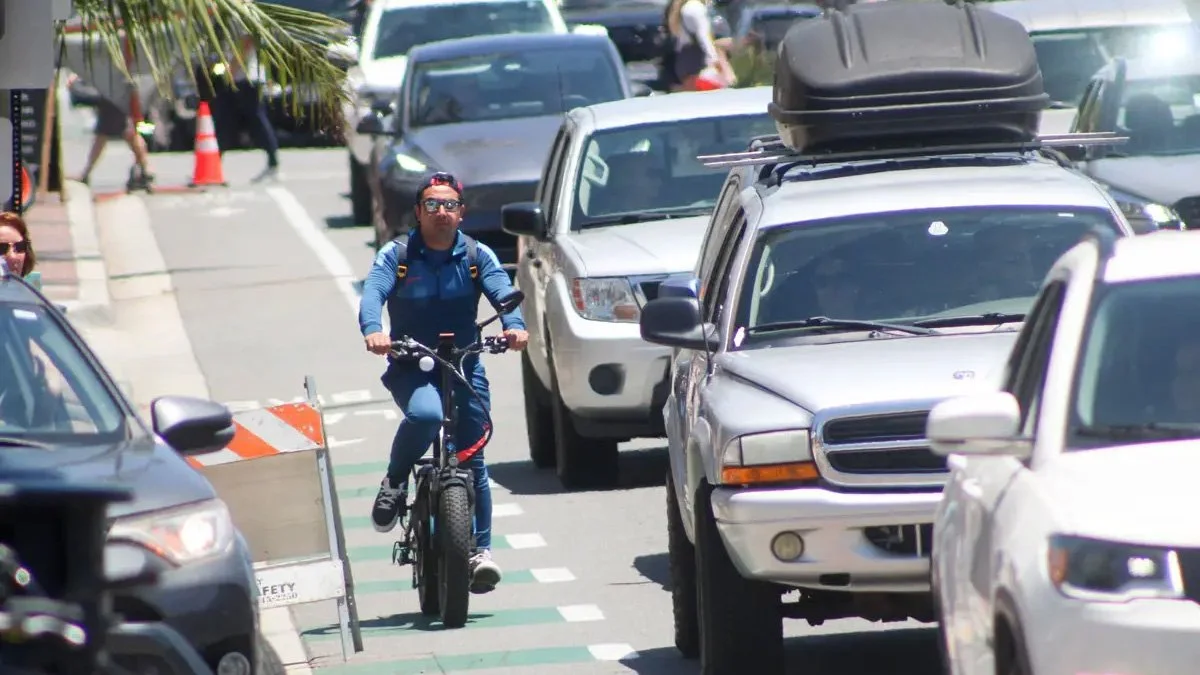
Another death on Carlsbad's streets sparked urgency to do something, anything. But are officials focusing on the right causes?
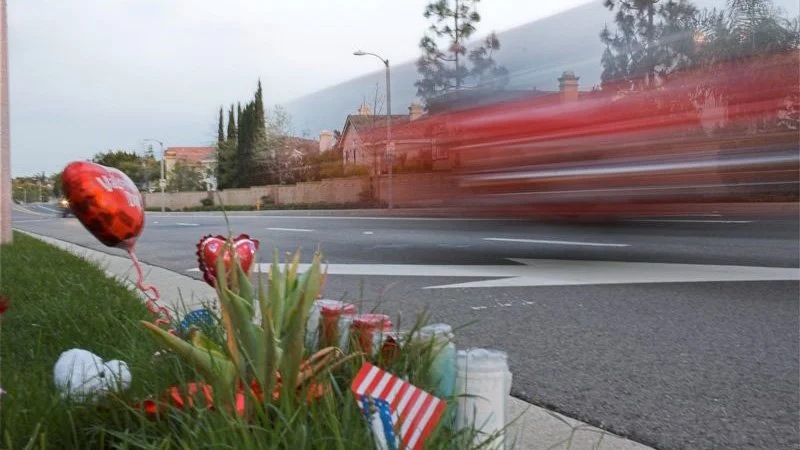
Three lives lost leaving a Massachusetts library; each one preventable, each one a reflection of systemic neglect.
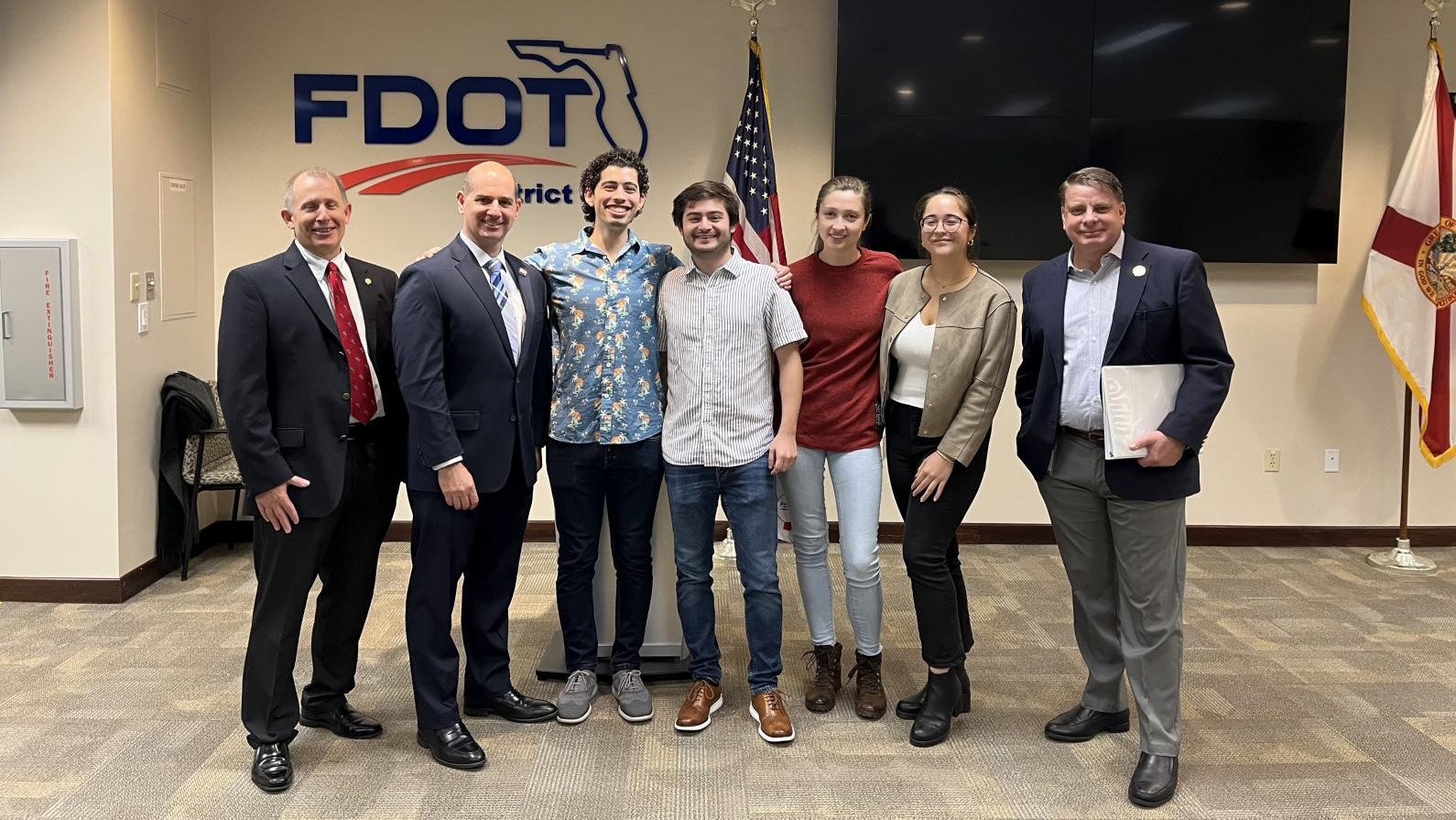
The battle against highway expansions can be one of the toughest fights an advocate will ever come up against. But as this Florida-based Local Conversations group has shown, persistence will eventually pay off.

"I have long believed that Americans are being gaslit when it comes to inflation, that official statistics understate the inflation we all experience."
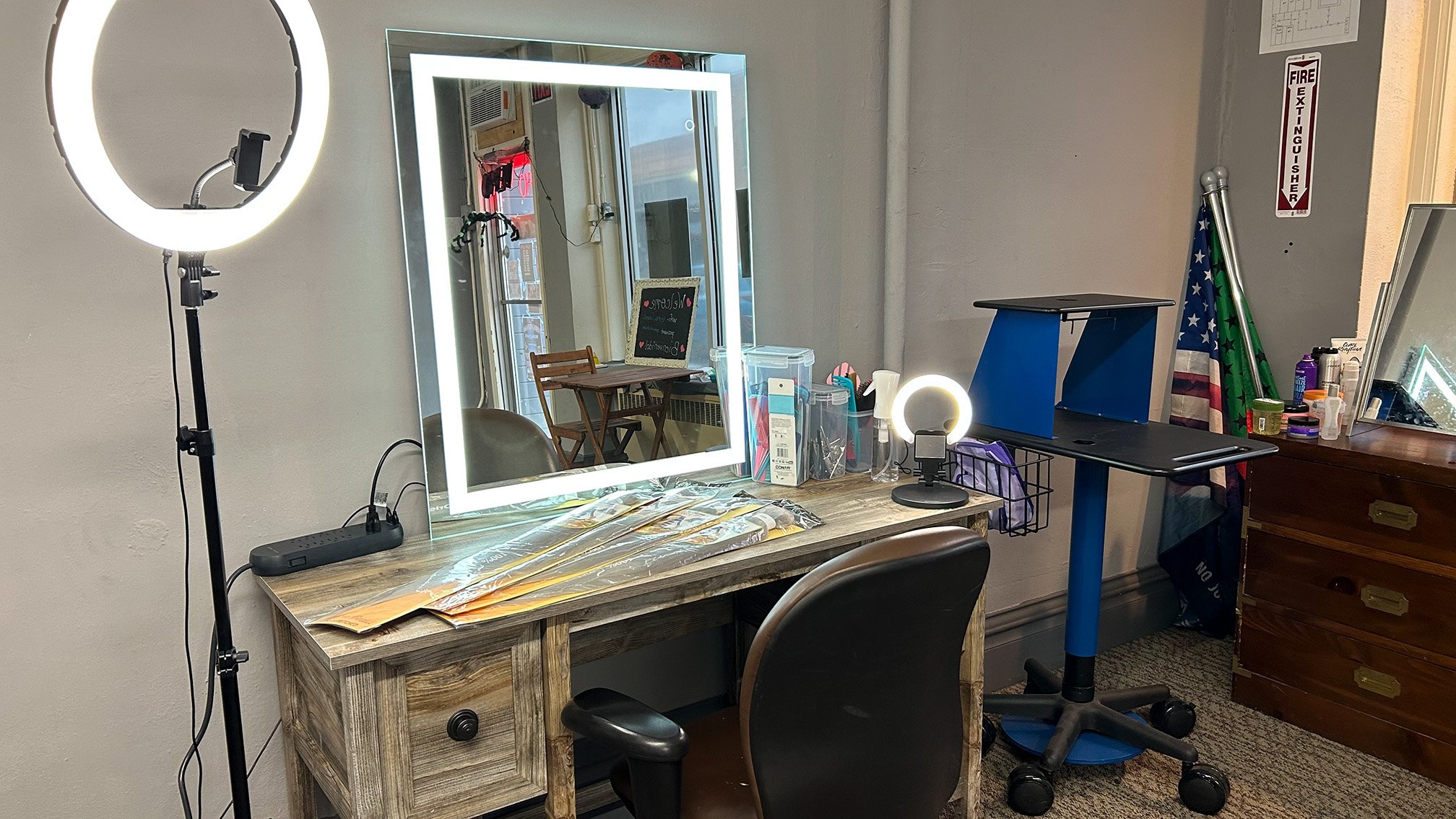
Residents of Chisholm, MN, have shown that you don’t need to invest a lot of time and money to bring value to your community, and to provide a space for entrepreneurship.

Sixty letters of opposition from local advocates in Grand Rapids, MI, halted an irreversible decision: the teardown of five downtown buildings for surface parking lots.

There's no one way to make your street safer.
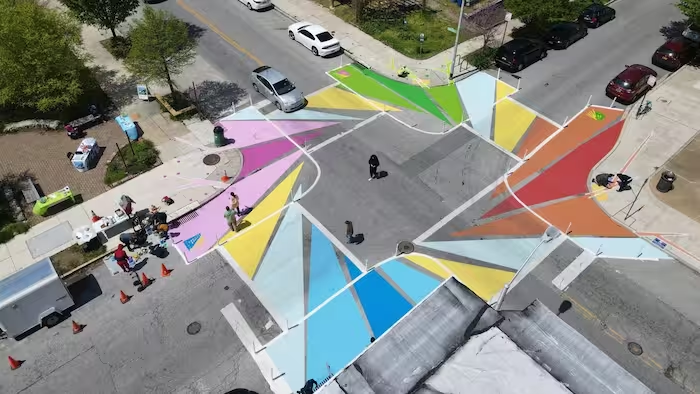
Daylighting means removing visual obstructions in approaching intersections, so that users can better see and more safely cross each other’s paths. Here are 5 ways to do it cheaply and creatively in your city or town.
.gif)
An Alabama stroad is trying to serve too many functions at once. As a result, it's racking up a death toll.
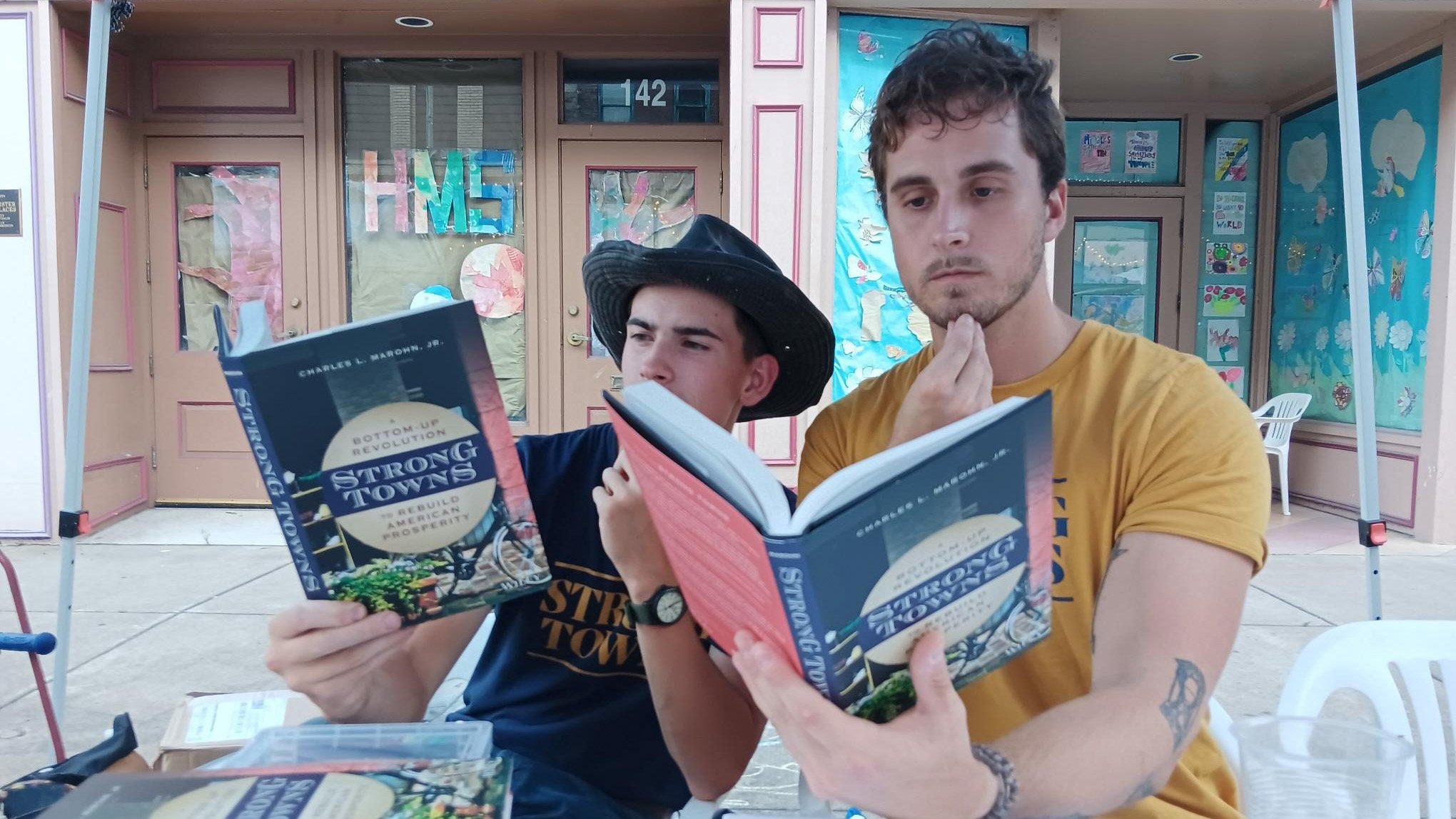
The next smallest step for your community doesn’t always involve changing a street’s design or making housing policy reforms. Sometimes, it’s as simple as asking questions and probing the thoughts of local leaders.

For urban planner Samantha Carr in Toronto, ON, the first step for inspiring change in her community was to inspire a new way of thinking—and that’s why she’s started the Urban Thinkers Book Club.

In the event of a crash, when a person has been found jaywalking, the blame is pit on them. We don't ask why they were jaywalking. What if we did?
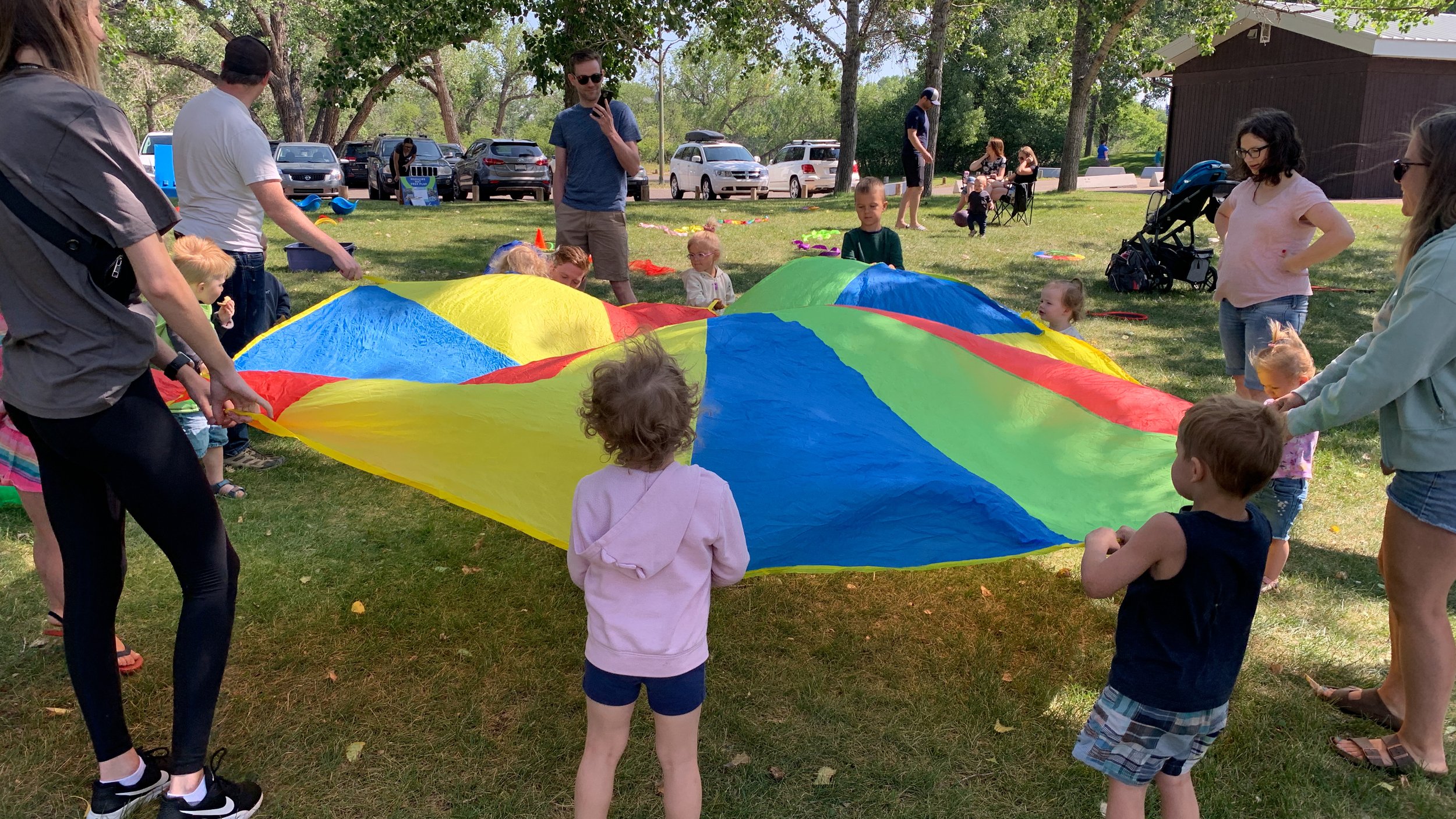
After one meeting and a little over $3,000, Medicine Hat, AB, decided to take a bottom-up approach to invest in a community-led program that has made better use of their public parks and children’s playgrounds.
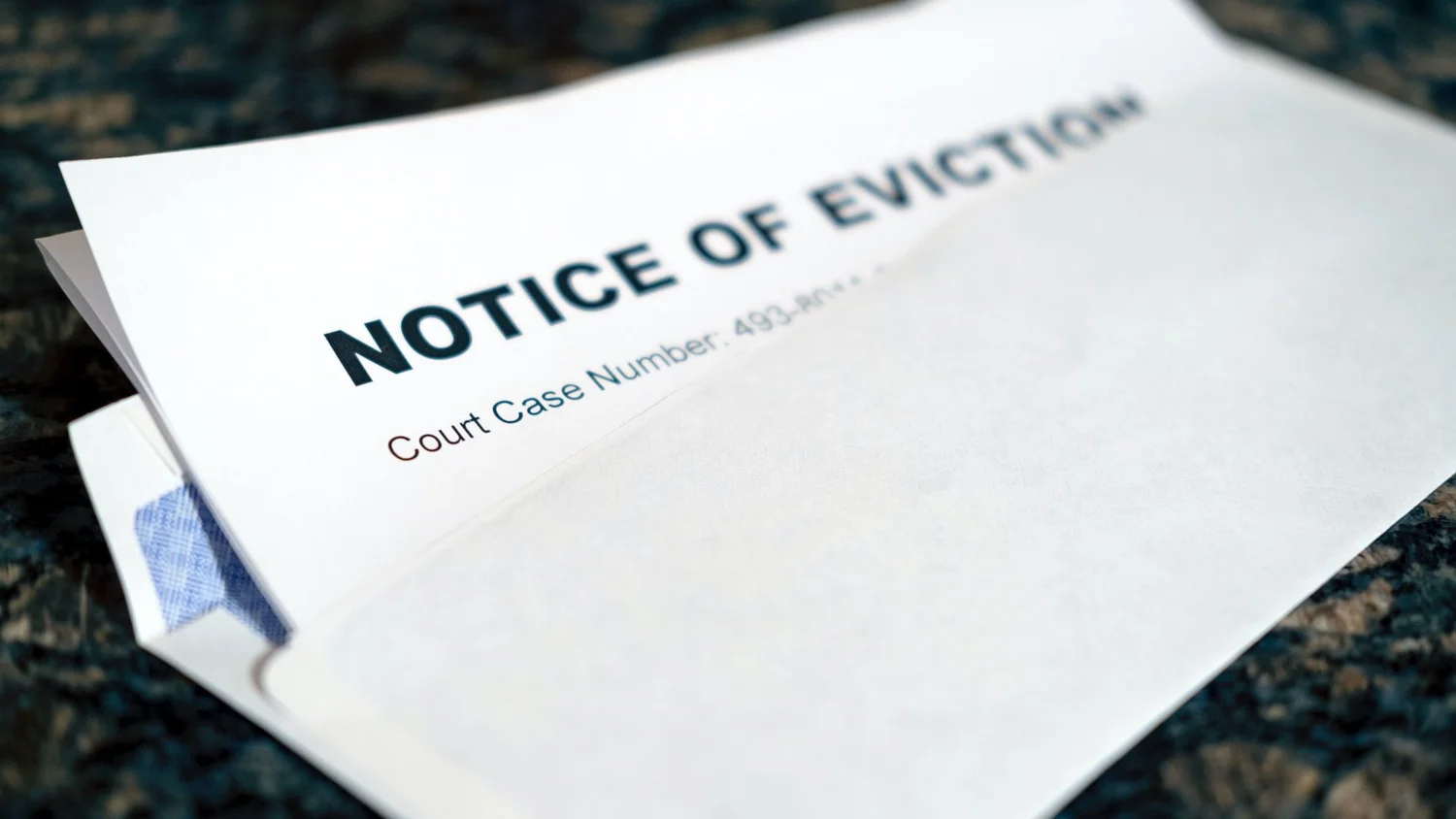
Rent control is best viewed as a short-term protection against being priced out of one’s own home, not a scalable affordability policy.

Free fares aren’t getting Estonians out of their cars. In fact, more of them drive today than in 2013.
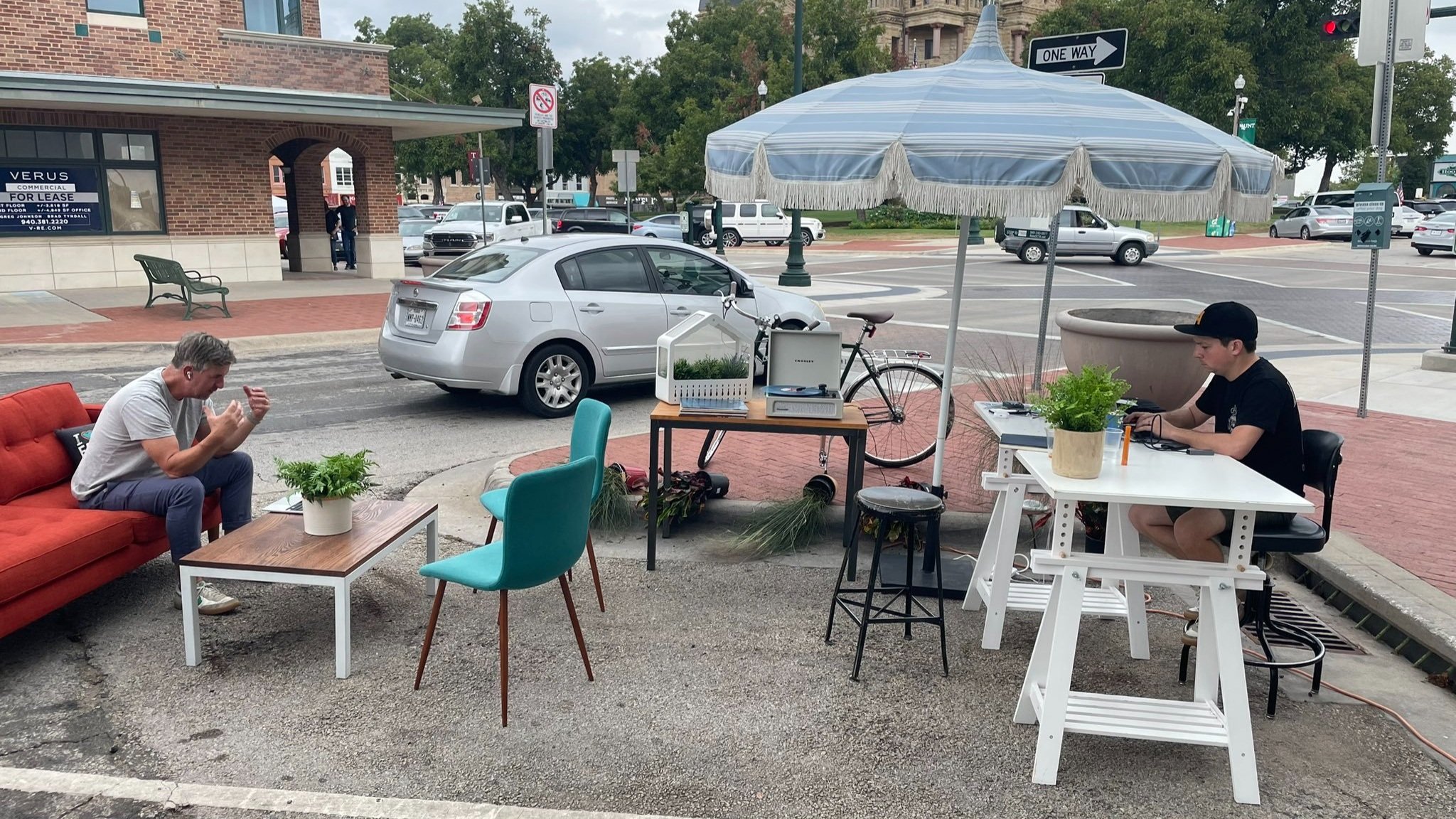
Each year on Parking Day, coveted curbside parking spaces in Denton, TX, are claimed by couches, games, potted plants, information tables, and conversations about the city’s future.
.png)
When residents of Medicine Hat, AB, flagged a school crosswalk as dangerous, the city responded quickly with bollards and paint—showing that cities can (and should) implement street design changes before tragedy occurs.

Armed with paint and traffic cones, this Local Conversation group in Portland, OR, made a dangerous intersection safer to cross…in only 80 minutes!