Rachel Quednau
Rachel Quednau serves as Program Director, managing the content team at Strong Towns, as well as hosting our Bottom-Up Revolution podcast. Trained in dialogue facilitation and mediation, she is devoted to building understanding across lines of difference. Previously, Rachel worked for several organizations fighting to end homelessness and promote safe, affordable housing at the federal and local levels. Rachel also served as Content Manager for Strong Towns from 2015-2018. A native Minnesotan and honorary Wisconsinite, Rachel received a Masters in Religion, Ethics, and Politics from Harvard Divinity School and a Certificate in Conflict Transformation from the Boston Theological Interreligious Consortium, both in 2020. She currently lives in Milwaukee, Wisconsin, with her husband Jack and son Marshall. One of her favorite ways to get to know a new city is by going for a walk in it.
After the local government did nothing, this Strong Towns advocate bought a dangerous road in her community and made it safer.
On a homestead in rural Wisconsin, Lauren Fisher is dedicated to growing her own food and connecting with her neighbors.
Ashley Salvador is a housing advocate and city councilor in Edmonton, Alberta.
Alfred Melbourne sees farming as a chance to bring back land into productive use, feed neighbors, and help guide young people down a supportive path.
Sarah Cipkar created a tool to help people navigate the ADU process in Canada.
Mayor Erin Stewart is helping create a brighter future for New Britain, CT.
A recent CNBC documentary features Strong Towns insights from Charles Marohn about why suburban development is so risky.
Norm Van Eeden Petersman is the new member advocate at Strong Towns, as well as the leader of a Local Conversation group in Delta, BC.
Emma Durand-Wood is a Strong Towns member who is a leader in her neighborhood association and a big advocate for street trees in Winnipeg.
Strong Towns member Spencer Gardner is the new planning director for the city of Spokane, WA, and he’s been helping his city take action on important housing issues.
Yet another failed mall (this time in Milwaukee, WI) proves to be a drag on—and an active harm to—its surroundings.
This engineer has been a Strong Towns advocate and member for a decade.
Amy Stelly is advocating to remove a harmful highway in her New Orleans neighborhood.
These Strong Towns advocates started an electric bike company in Calgary, AB, and are passionate about how biking changes the way you see your city.
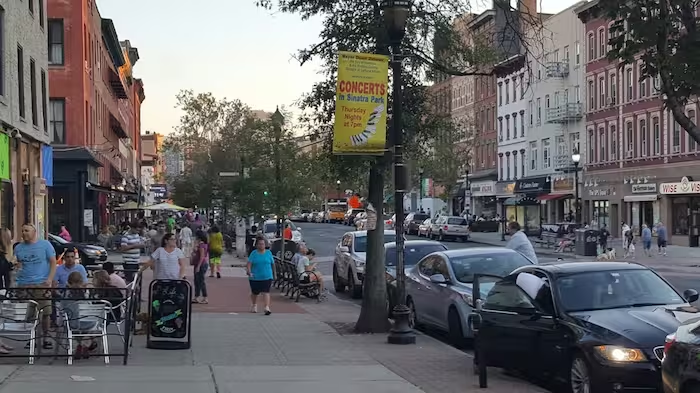
With a baby on the way, I’ve been lectured multiple times about safe car seats, and heard nothing about how to minimize the most dangerous activity people do with their children: drive.
Strong Towns member and City Councilperson Danny Schaible is leading the way toward safer streets in his Maryland town.
Strong Towns member Ari Feinsmith is making streets safer in his California town, hosting free bike repair events and more.
Strong Towns member Montavius Jones is committed to making Milwaukee, WI, a better place to live for everyone.
Jennifer Stromsten and Alex Beck are leading economic development efforts in Brattleboro, VT.
Jonathan Curth helped lead the city of Fayetteville, AR, into a new era free of commercial parking minimums.
Ann Zadeh is a Strong Towns member, former city councilwoman, and community design leader in Fort Worth, TX.
Nick and Amanda Lanata are putting the Strong Towns approach into action in Zachary, Louisiana.
Beth Silverman is working on a non-traditional—and very successful—approach to housing affordability.
Meet one of our weekly columnists, the fascinating Karla Theilen.
Cooper Frost is catalyzing economic development and pride of place in Charlotte, MI.
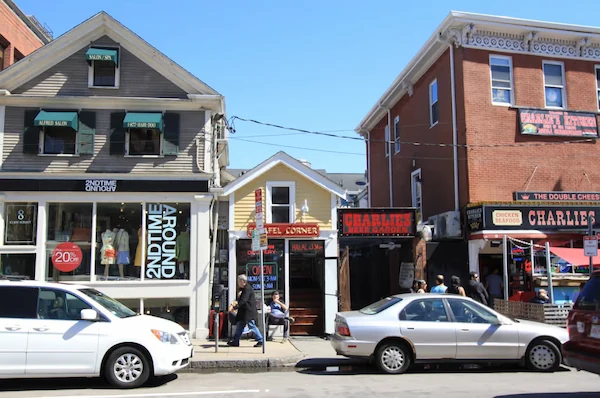
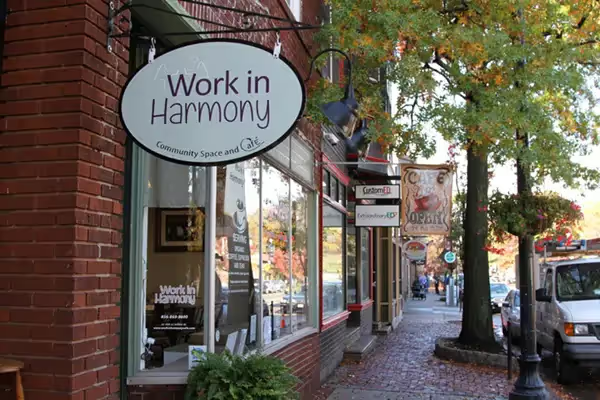
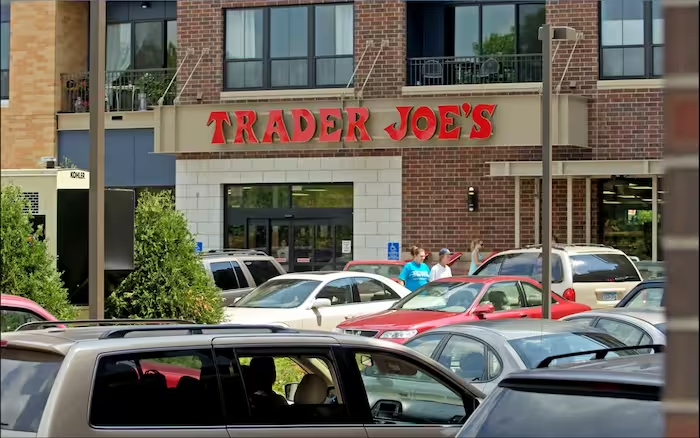
Or in anyone else’s, for that matter! A strong neighborhood has businesses that keep money in the local economy, instead of siphoning money out.
In San Elizario, TX, these local leaders are spearheading an agricultural renaissance.
Get to know Jay Stange, safe streets advocate and Content Manager at Strong Towns.
Carlos Alfaro and Jacob Pritchett are bringing people of different political stripes together in Arizona.
Coté Soeren’s “Resistencia” coffee shop in Seattle is a space for community connection and support, not gentrification.