Browse
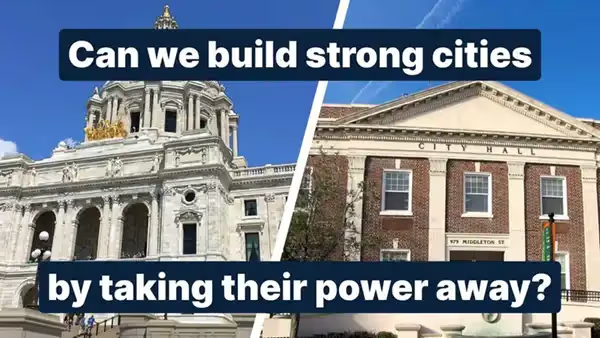
State preemption can remove obstacles, but it can’t build the local capacity that's required for lasting reform.

Every town will be asked to grow. Maybe not today, maybe not all at once. But when that moment comes, how will yours go about it?
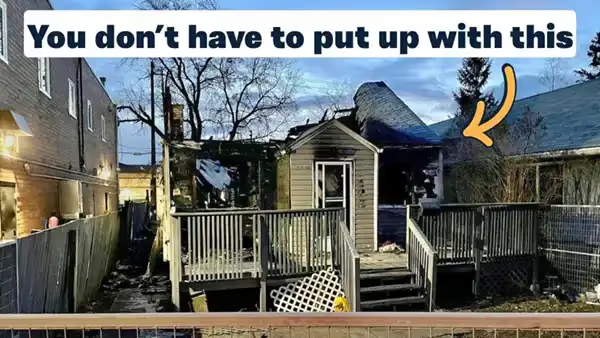
Edmonton is proving that communities don’t have to accept neglect as inevitable. Here’s how it’s turning derelict properties from liabilities into catalysts for renewal.

From New Mexico to Connecticut, Strong Towns advocates are turning hometown newspapers into platforms for change—using op-eds to push for housing reform that’s local, practical, and powerful.
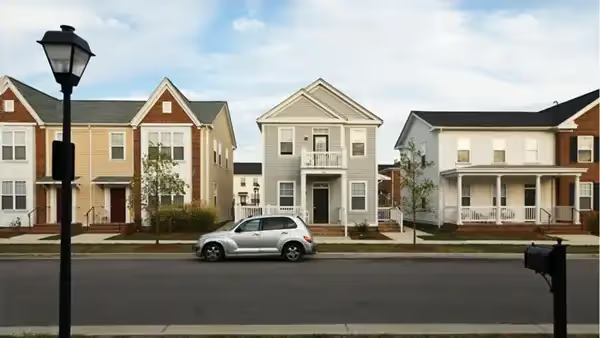
A reflection on affordability, finance, and the deep contradictions we refuse to face.
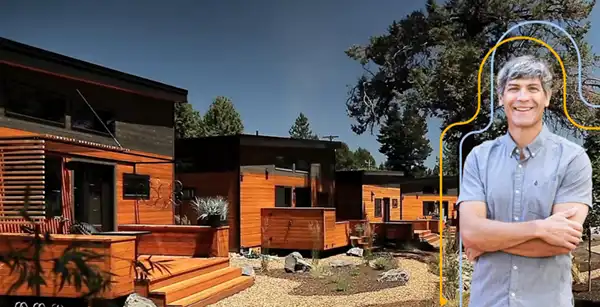
How do you grow without losing what makes your town special? In Bend, Oregon, Jesse Russell is proving it can start with smaller homes.
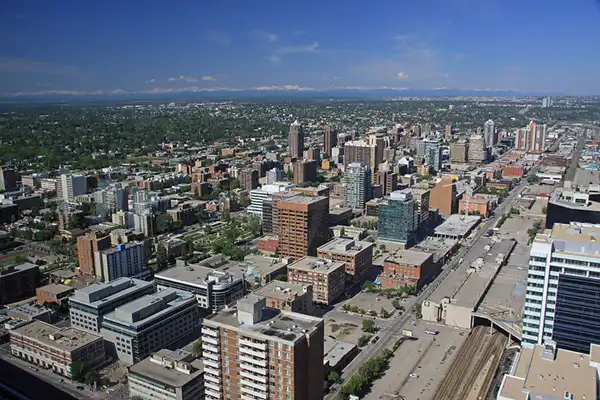
Calgary is cutting delays—not corners—to deliver more housing where it’s needed. And your city should be paying attention.

Bangor, Maine, isn’t holding out for silver bullets. It’s getting to work—clearing the way for more homes in creative, community-minded ways.

A couple of weeks ago, Chuck did a Q&A about how the book “Abundance” differs from the Strong Towns approach. There were some good questions, so we’ve consolidated his answers here.

When we recognize the housing crisis as a systems and strategy problem, we realize that there is no shortage of things cities can do right now to address it.
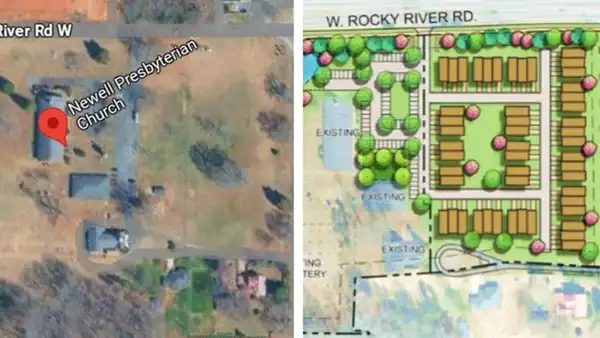
Charlotte, North Carolina, is in the middle of a housing crisis. Churches are stepping up to help.

Some call it watered down, others call it overreach. But there’s no denying this new Texas bill nudges housing policy in the right direction.

Iowa’s new ADU law puts power in the hands of homeowners, not just developers—and makes it easier for grandma to stay close to home.

It’s time to make the beloved housing solution that turned Chicago into a bustling, modern city legal again.
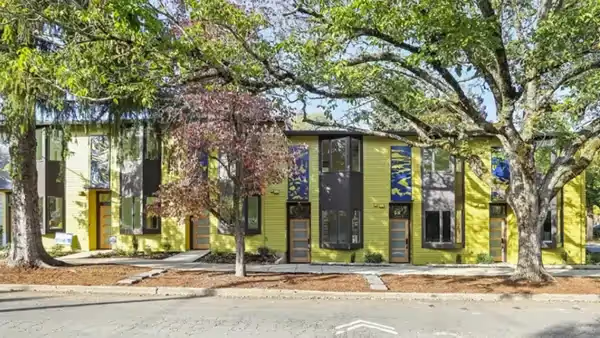
Portland’s zoning overhaul is producing what every city says it wants: more homes people can actually afford.

In Lawrence, Indiana, a new housing task force is turning local tools into real solutions to tackle the town’s growing housing crisis head-on.

To build a strong city, you first have to understand the building blocks you’re working with and how they fit together.
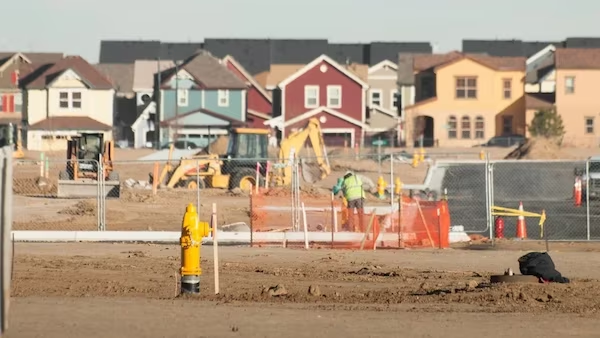
By clearing the path for more homes in more places, these places aren’t just tweaking policy—they’re rewriting the rules to build stronger, more resilient communities.
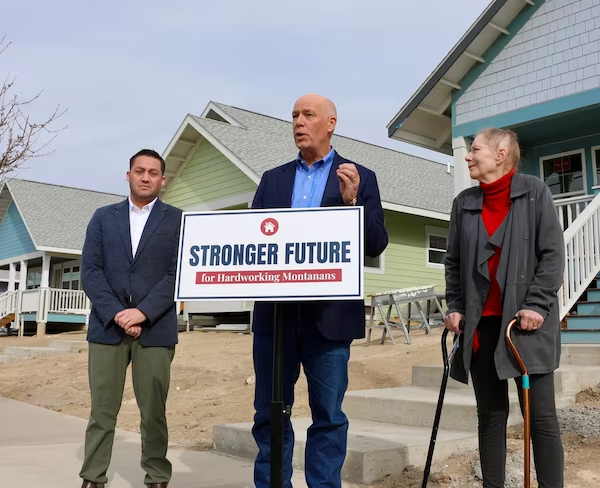
While many states grapple with housing shortages and affordability issues, Montana is proactively implementing policies to address these challenges head-on.

The problem isn’t that we haven’t sprawled enough. It’s that sprawl creates fragile places instead of resilient ones.
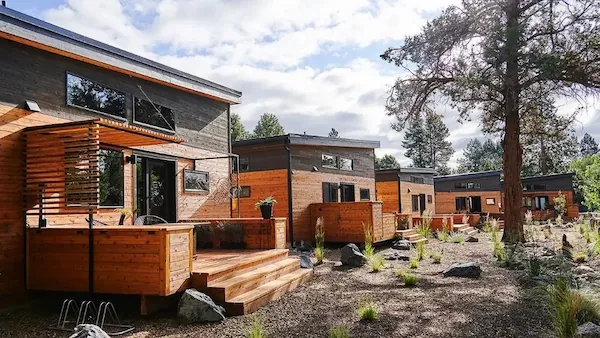
How do you balance urban needs and natural resources?

The Strongest Town Contest isn’t a pageant for towns that have “figured it out.” It's about the people and places that keep showing up.

“It’s ridiculous that this kind of housing isn’t legal everywhere." How one Texas man is reimagining his single-family home.
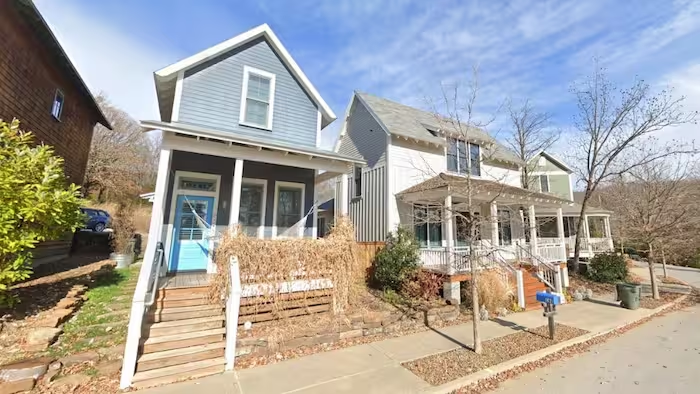
Reducing minimum lot sizes can unlock the potential for smaller, more affordable homes while meeting the needs of the community. Here’s how one developer got community support and multiplied housing availability.