Browse

From “impossible” to “let’s see what we can do." This is how Rebekah Kik turned city hall into a launchpad for neighborhood-driven development.
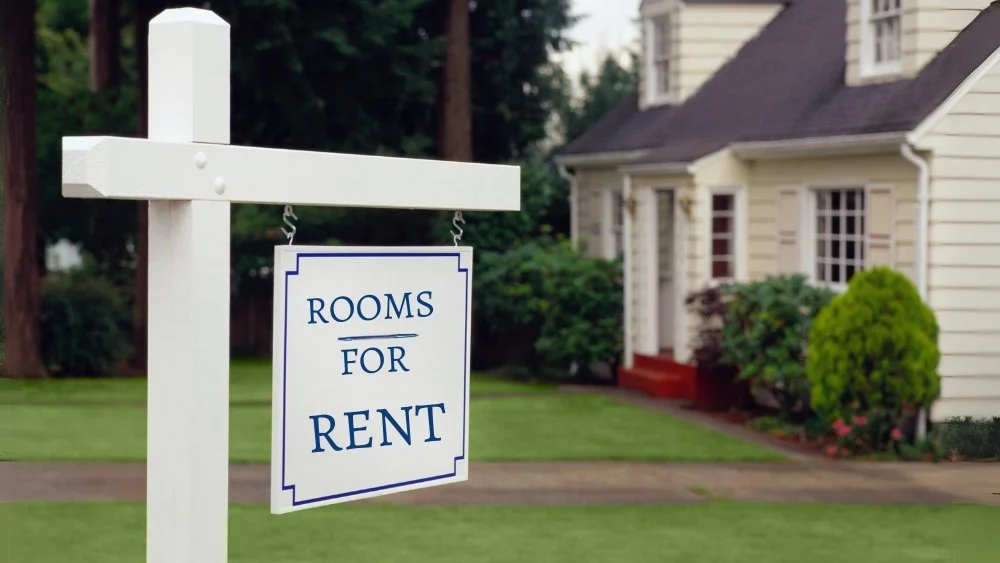
You love your house, where it's located, and your neighbors. But what if it's too big for you?

Incremental doesn’t mean slow. When every neighborhood can build a little, the whole country can build a lot.
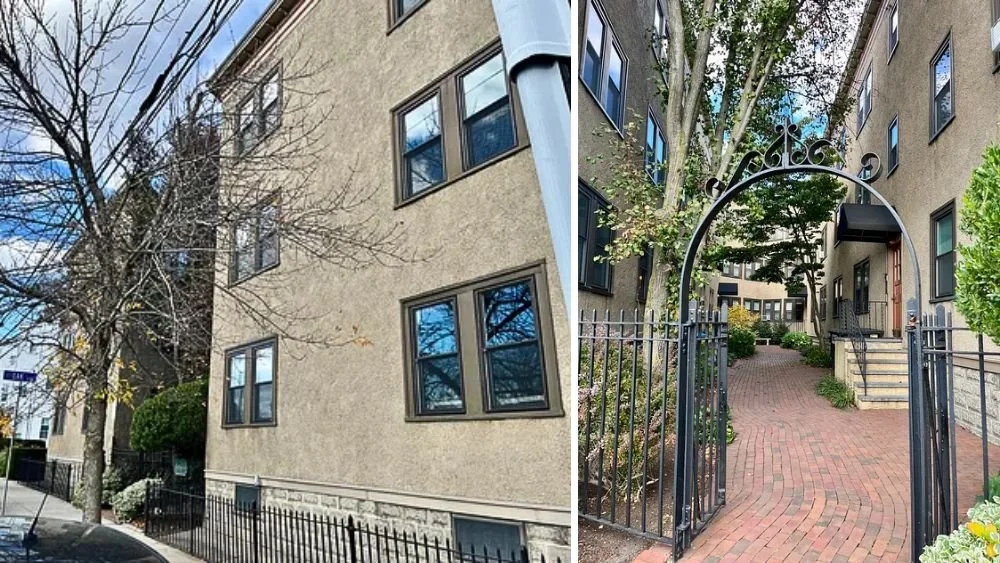
We assumed two stairwells made buildings safer. The numbers say otherwise.

The Federal Reserve just cut interest rates. Some people are celebrating the move as making housing more attainable, but it's really just reinforcing the housing trap. Need proof? Look no further than the 40-year mortgage.

From compact blocks to old-building reuse, Jacobs’ framework offers a path for Southern cities to become financially stronger and more adaptable.

The U.S. is in a massive housing bubble fueled by widespread fraud. With banks incentivized to look away and Wall Street and Washington incentivized to keep housing prices artificially high, a bottom-up approach is the only hope for bringing sanity back to the housing market.

"Cities that truly embrace incrementalism understand that interesting places are emergent by nature."
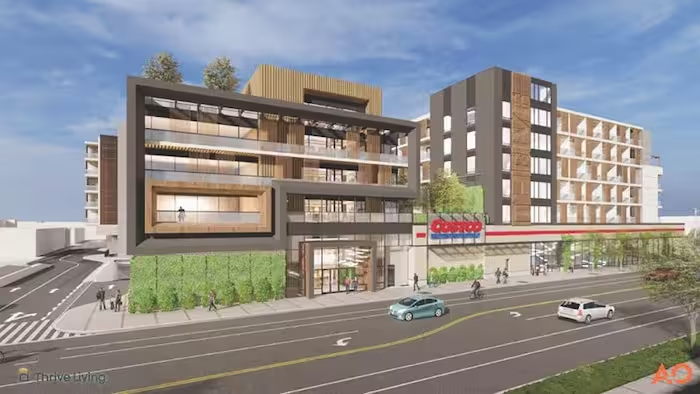
To skip delays and debate, a California Costco added 400,000 square feet of housing to its plans — a move that unlocked a faster approval process.

Housing shortages are housing spillovers.

Rates of loneliness and unhappiness are on the rise in the United States, but our European counterparts don’t seem to have the same problem. Why?

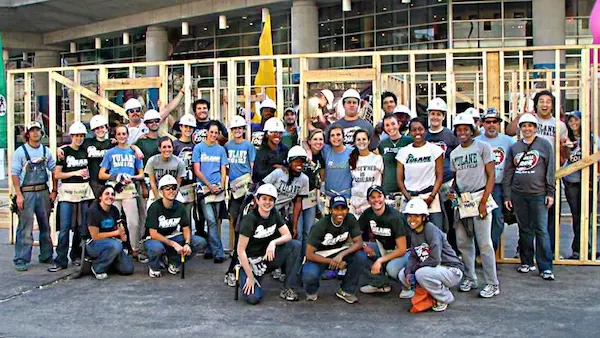
Learn how Habitat continues to pursue housing construction in the face of difficult conditions, why good schools are more important than you realize, and why Habitat owners participate in the construction of their own homes.


Housing is an oxymoron: Housing is treated as an investment, and good investments constantly increase in price. To escape this paradox, we must change the way we think about housing.

Like so many places, Muskegon, MI, has a shortage of housing and a surplus of vacant lots. That’s why it’s enacted a program that allows it to redevelop those lots into affordable housing—at a low risk to the city.
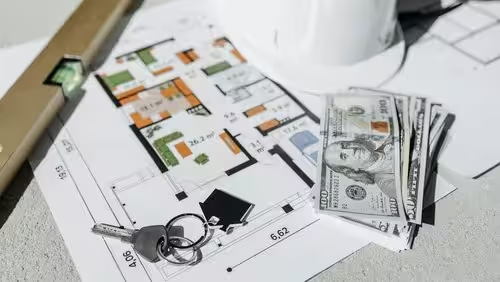
What does it really mean to say that housing can’t be both affordable and an “investment”?

Monte Anderson is a local developer who sees it as his mission to revive his community—not only through neighboring relationships, but also by saving the abandoned and broken spaces.

When it comes to the housing crisis, the simple villain narrative is appealing, but will it help us actually see a way out?

Rent control is best viewed as a short-term protection against being priced out of one’s own home, not a scalable affordability policy.
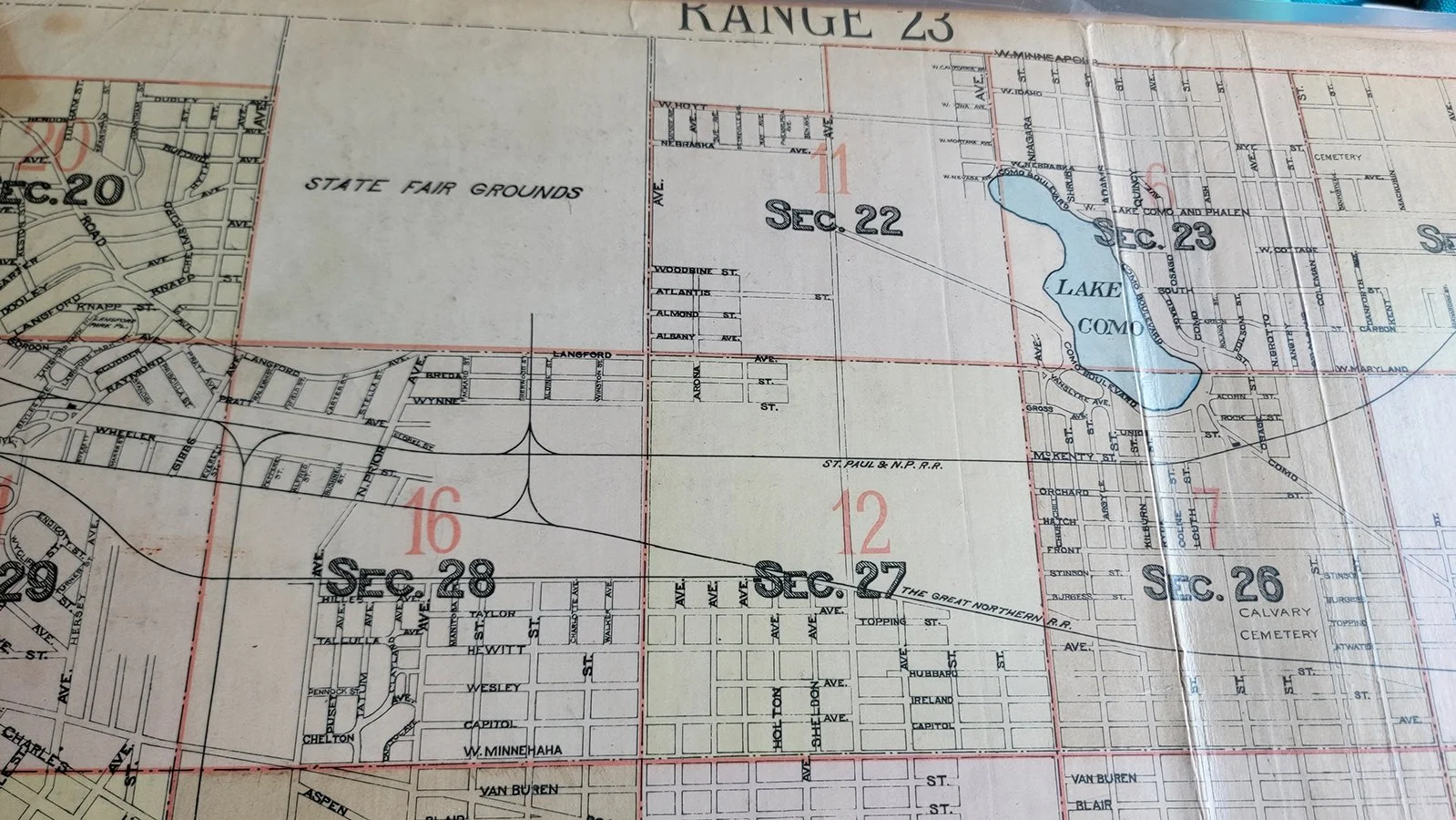
To understand why the suburban experiment struggles today, we have to look at how it first took hold.
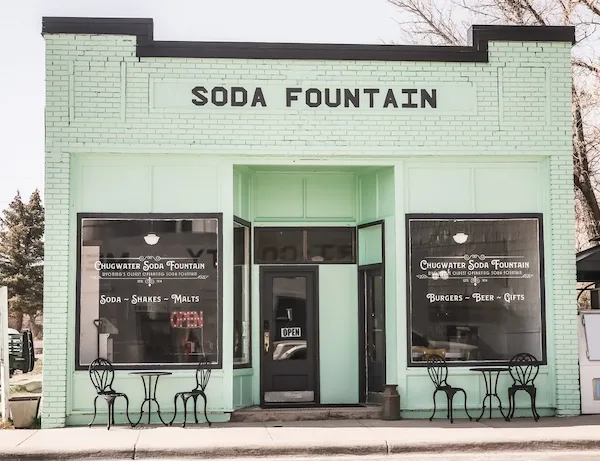
The story of a soda fountain in Chugwater, Wyoming.
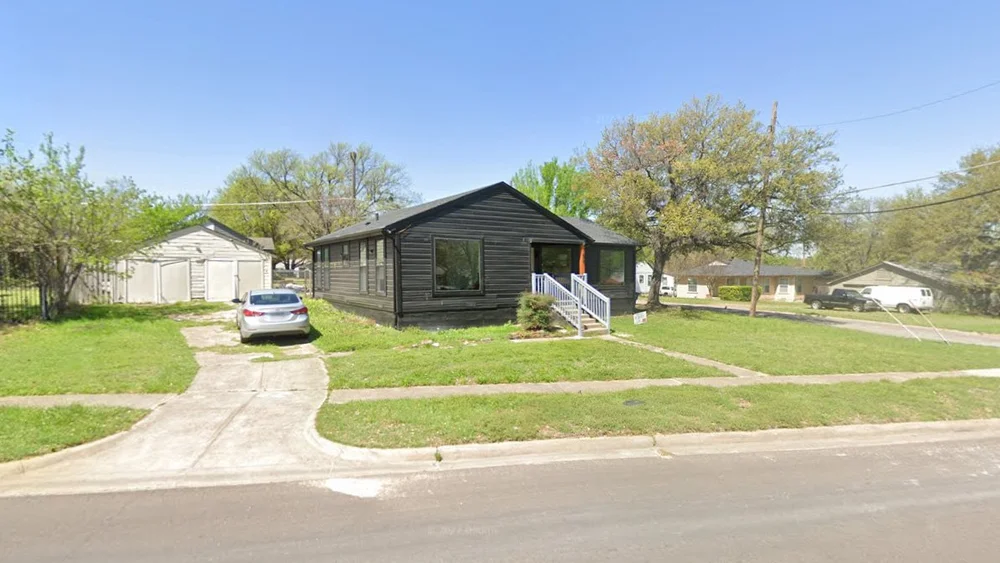
This is what happens when a city cares more about decades-old requirements than the small businesses trying to bring life to a neighborhood.