Browse
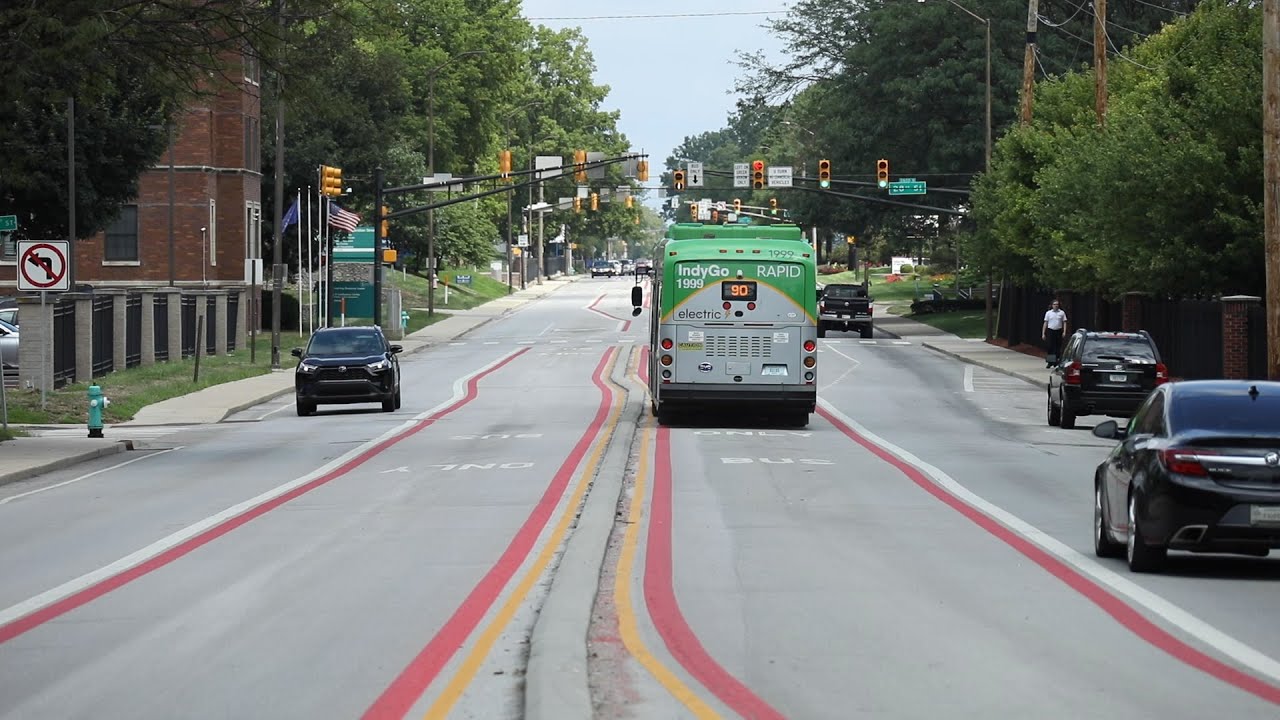
Indianapolis proves you don’t need billions—or rail—to build transit people actually use.

Two simple photos show the difference between a street simply designated 20 miles per hour, and one actually designed to be safe.

Connected streets + varied houses = better trick-or-treating and financially stronger neighborhoods.
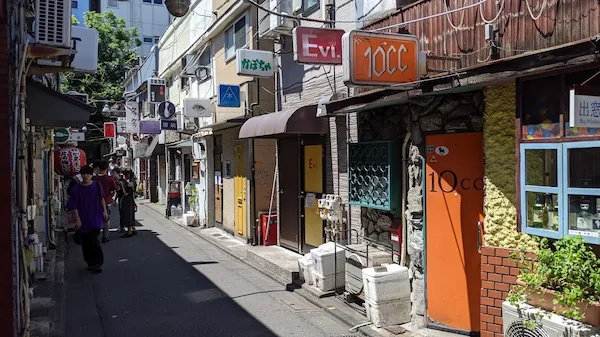
An urbanist abroad discovers that Tokyo faces many of the same challenges as U.S. cities — off-street parking, pedestrian safety, utilizing space, etc. — but is addressing them in very different ways.
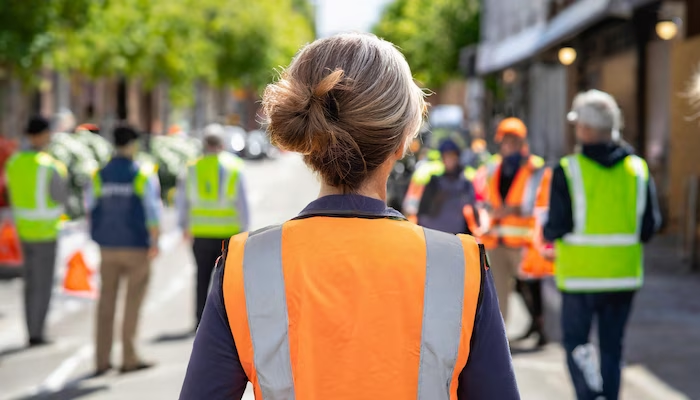
Making better use of what we have already built is a hyper-local undertaking, one done at the block level.
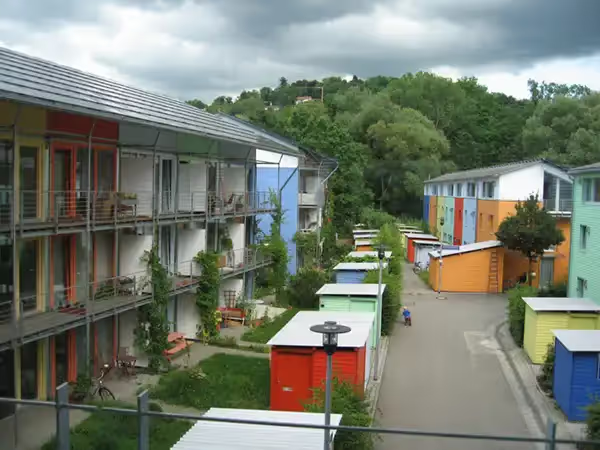
We all know the pitfalls of master-planned communities, right? Sterile. Homogenous. Certainly not adaptable or resilient over time. Is there a way around it? Maybe, if this fascinating case study from Germany has anything to teach us. And it all starts with one word: Baugruppen.

We use the phrase “traditional development pattern” in dozens of Strong Towns essays. Here’s your one-stop-shop explainer article as to what that means.
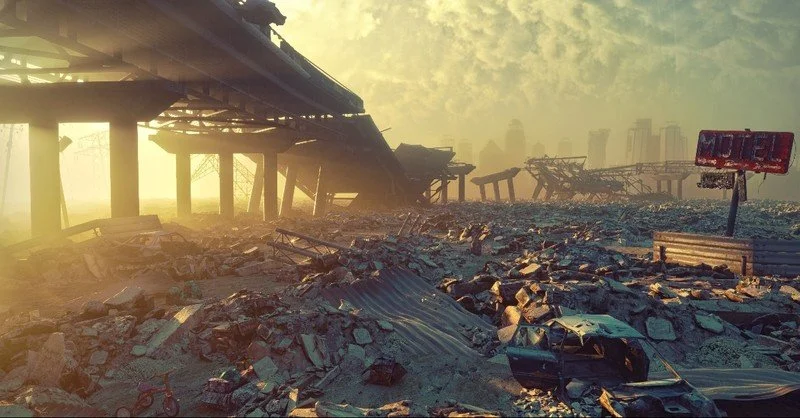
Induced demand goes both ways.
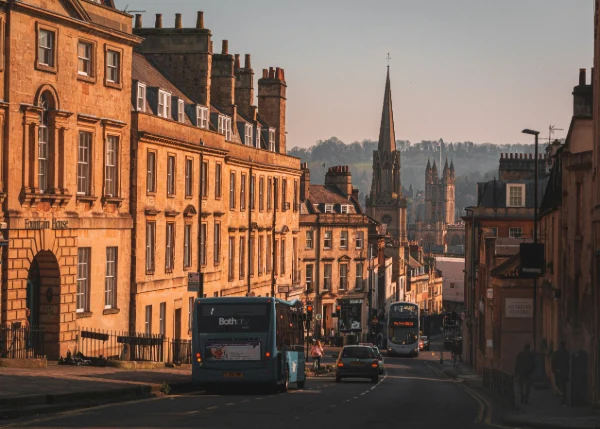
"We see our tolerance for chaos reflected in our built environment."
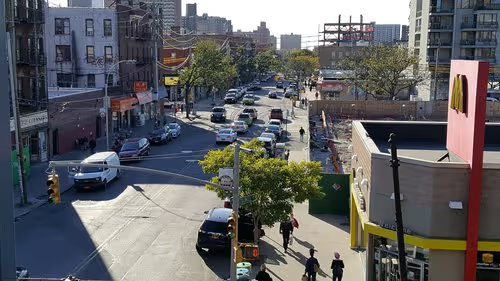
Will this new development make traffic worse? The conventional wisdom about the relationship between development and traffic contains a number of important misconceptions.
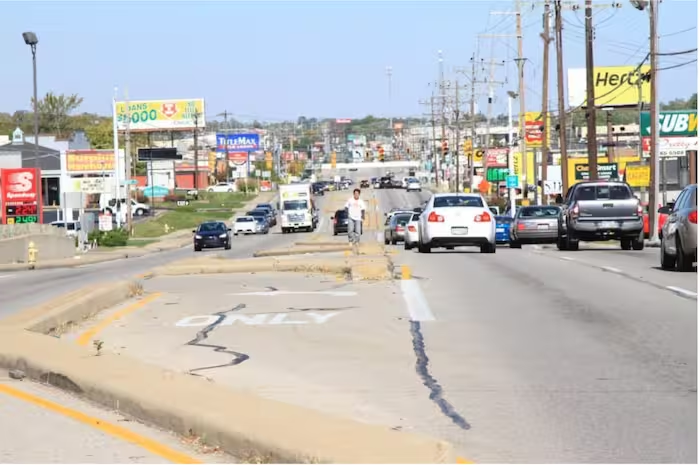
Need a crash course in what makes our streets dangerous and how to make them safer and more financially productive?
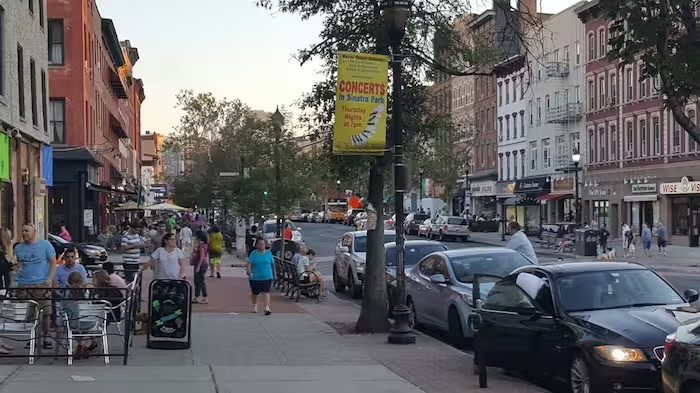
3 dollars and cents arguments that definitively prove the need for people-oriented, walk-friendly places.
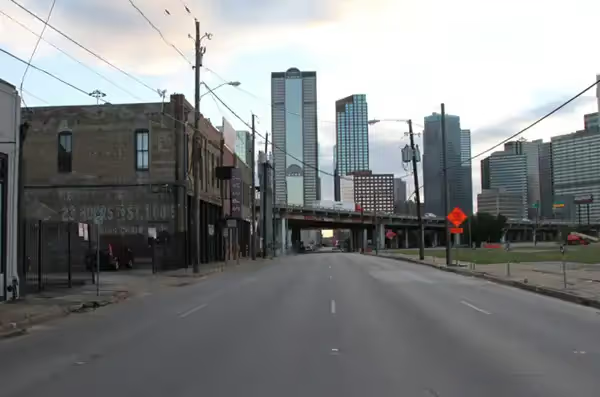
Government and corporate decisions half a century ago robbed our cities of life and prosperity today.
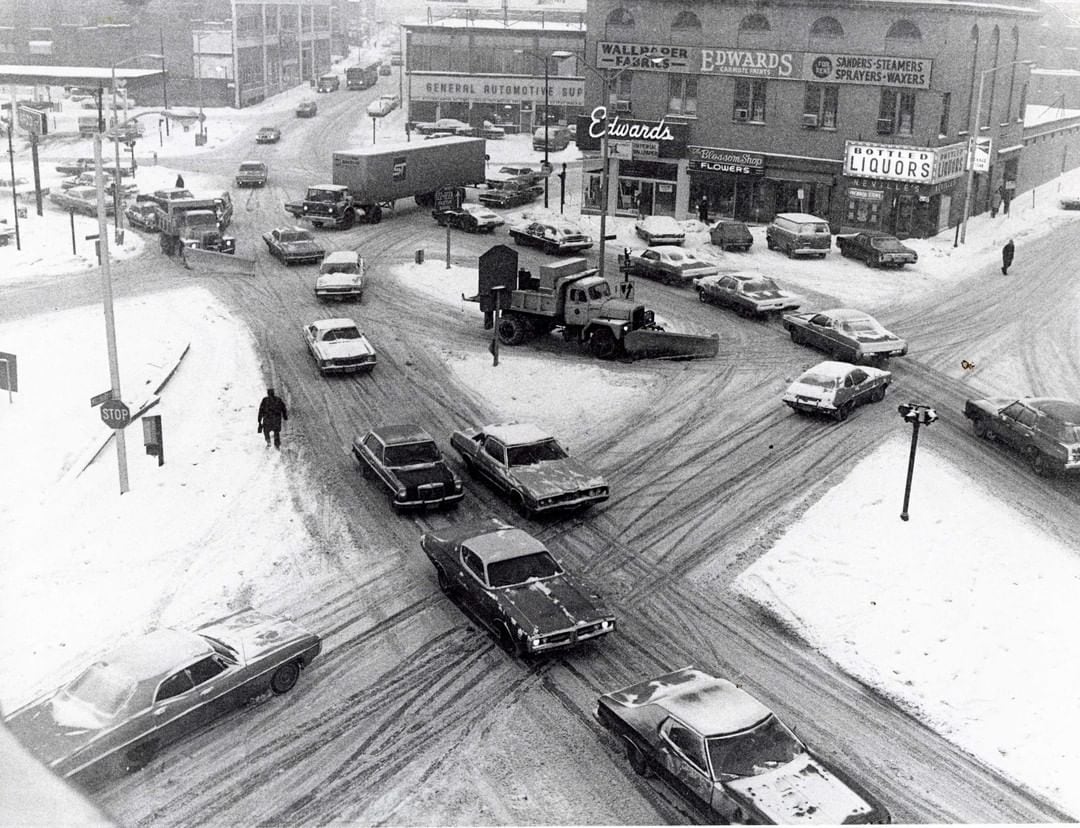
Towns that are designed for cars instead of people experience serious challenges that negatively impact small businesses, community health, and financial success for everyone.
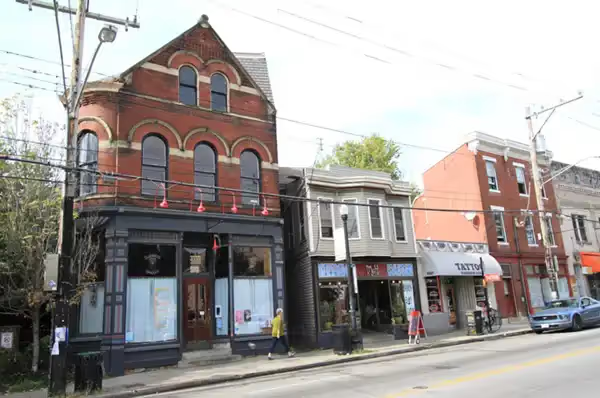
There's a big difference between these two types of development and one will create a far better outcome for our cities.
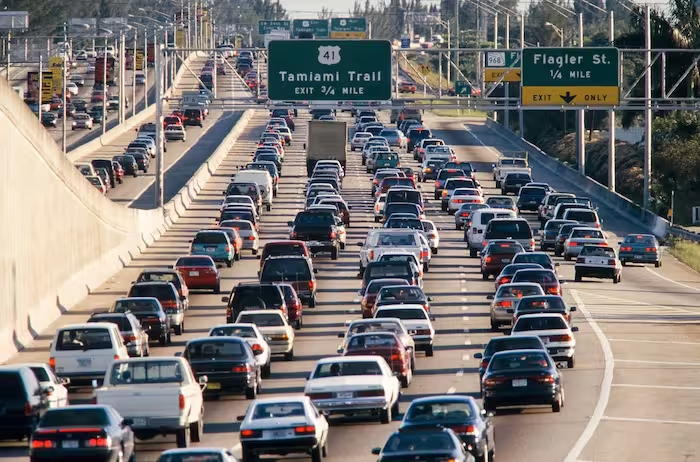
Walkable, human-oriented communities tend to be the happiest and healthiest, where the younger generation is looking to live, and the most financially productive types of places to build and retain. Creating human oriented communities is the essence of creating a Strong Town.
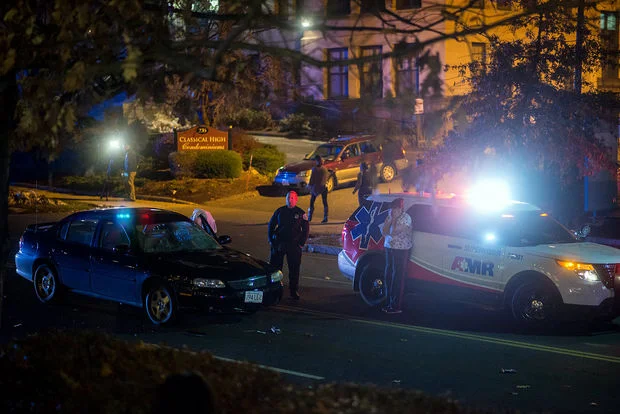
When transportation professionals shrug off recurring dangers, they signal that preventable deaths are acceptable collateral.
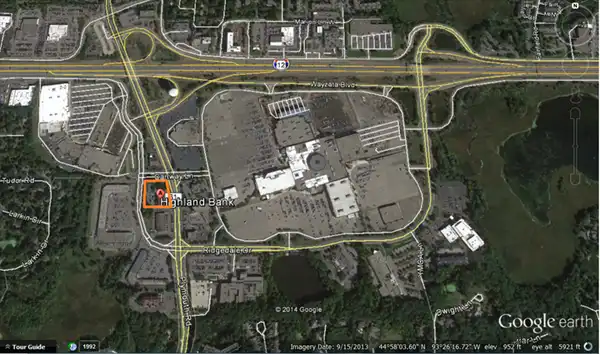
Aging suburbia is going through an identity crisis. Existing residents would like the place to stay much the same. New residents, including those who don’t live there yet, are demanding something else. The problem is that these places can’t continue to stay the same. Yet, the change is too difficult for many to swallow. This is why the default for most suburbs is decline. Growth isn’t built into their DNA.