What Zillow’s Search Data Says About the Housing Market

Each year, Zillow releases its end-of-year Zeitgeist Report, analyzing millions of searches to understand what homebuyers and renters are actually looking for in the market. In its 2025 “Top-Searched Home Features,” Zillow researcher Ian Shuler highlighted a notable shift: people are searching less for stylistic upgrades and more for homes that can adapt to life’s changes.
Not long ago, Zillow’s annual top search terms read like an interior design scrapbook: quartz countertops, stainless steel appliances, farmhouse sinks. Those searches revealed preferences about taste. This year, in Connecticut, Idaho, New Jersey, New York, Oregon, Utah, and Washington, the top search terms included: “ADUs, casitas, duplexes, guest houses, in-law suites, and mother-daughter homes.” These are signals that households are actively seeking ways to live together, generate income, and adjust as family needs change.
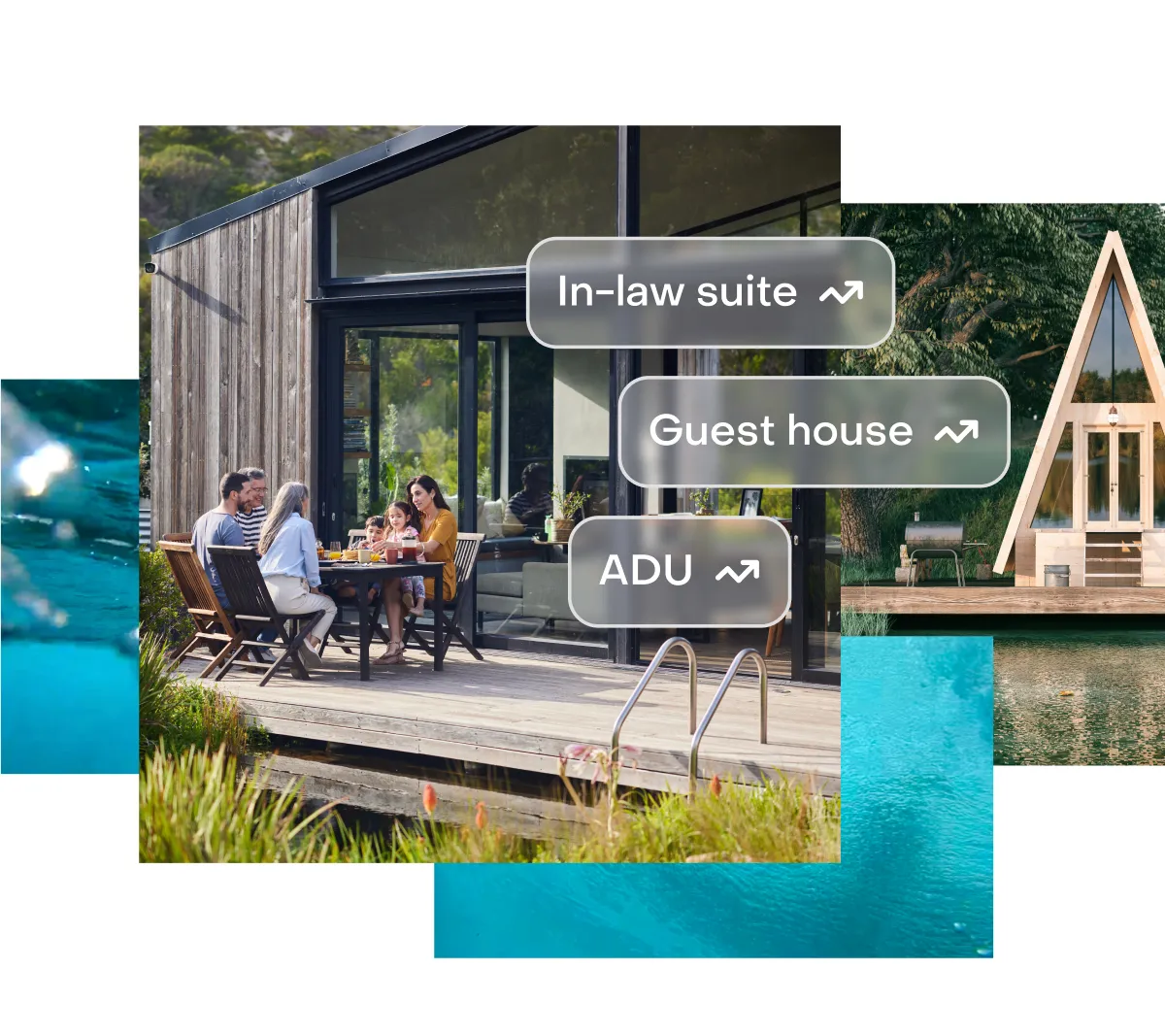
In every region of the country, people are asking: How can our homes work harder? How can they shelter more life, more needs, more changes?
This is not a niche interior design moment, or another missing middle advocacy article. This is a demonstration in the shift in public perception and public understanding about housing, and a departure from the suburban experiment.
A Market Responding to Policy Failures
The Zillow data doesn’t just tell us what people typed into a search bar or what they are swiping on their phones, it tells us the type of housing that people want to live in right now.
ADUs, casitas, duplexes, guest houses, in-law suites, and multigenerational homes, are not new forms of housing. These homes have existed for generations and can be found hidden within many of our existing neighborhoods. They provided shelter for changing family sizes, shifting economics, and aging in place. That variety is what made neighborhoods resilient.
So why do these housing types feel like a trend? Because for decades, zoning codes and land use policies made them difficult, expensive, or outright illegal to build. People who want flexible homes are often forced into workarounds: illegal conversions, precarious arrangements, or leaving cities that won’t accommodate their needs which further exacerbates the housing crisis. These search terms reflect a more astute homebuyer looking for practical ways to navigate a housing system under strain. The real demand isn’t for rigid, one-size-fits-all single-family homes; it’s for housing that can evolve alongside real life.
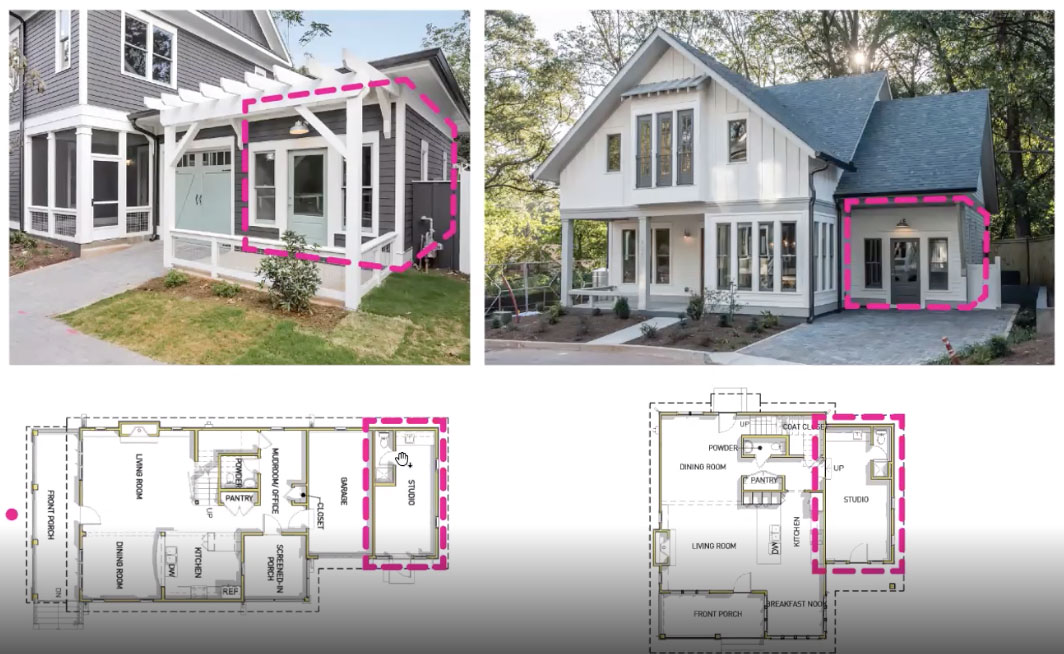
In a Strong Town, housing emerges in response to local needs, through many small bets made by many people over time. Families build a backyard cottage instead of a shed so they can age in place. Homeowners convert a bedroom into an accessory apartment to make room for relatives or generate modest rental income. Neighbors build a duplex on a vacant lot, growing their community while learning, often for the first time, how to be developers. These are modest responses, but together they create resilience.
This is the direction many cities are beginning to explore, not because it’s trendy, but because the market is pushing them there. Incremental housing allows communities to respond to demand without overextending financially, over-promising growth, or locking themselves into inflexible systems. The market is offering cities a clear compass: people want homes that can adapt, absorb change, and support multiple chapters of life.
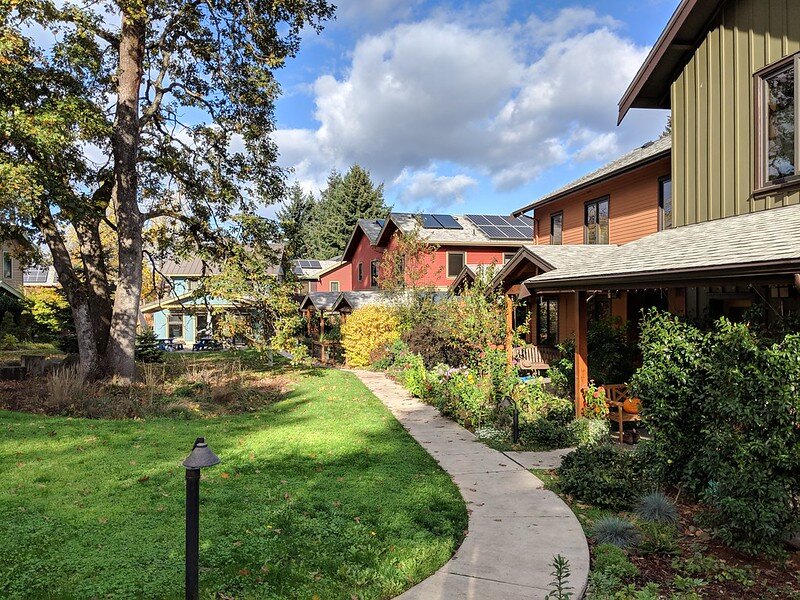
That same logic underpins the Strong Towns Housing Ready Toolkits. These resources are designed to help cities take practical, step-by-step actions to reform codes, improve processes, and nurture local investment. In other words, to create the conditions for incremental housing to happen legally and predictably.
Housing-ready cities understand that this work isn’t easy or fast. It isn’t heroic or sweeping. It’s patient and principled. And in the end, it does something remarkably simple: it gives communities the ability to respond as needs change.
Zillow’s search data suggests households are already imagining a different way of living together, even as policy lags behind. The question for cities is no longer whether this future is coming, but whether they will make room for it.
Edward Erfurt is the Chief Technical Advisor at Strong Towns. He is a trained architect and passionate urban designer with over 20 years of public- and private-sector experience focused on the management, design, and successful implementation of development and placemaking projects that enrich the tapestry of place. He believes in community-focused processes that are founded on diverse viewpoints, a concern for equity, and guided through time-tested, traditional town-planning principles and development patterns that result in sustainable growth with the community character embraced by the communities which he serves.