Ward Walks
%20(1)%20(2).avif)
.avif)
%20(1).avif)

.avif)
%20(1).avif)
A core insight of Strong Towns is the importance of walkability in creating a tightly woven and resilient community. The ability to casually and unselfconsciously experience your community simply by walking around it is a compelling vision, conjuring visions of front porch conversations and brief but meaningful interactions with one’s neighbors, to say nothing of the freedom to easily attend to one’s errands without having to travel far from home. Of course, one challenge of this vision is that for many, it is now a distant and abstract one. Walkability can often be considered not only impractical in many places across North America, but even outright hard to imagine. As a result, many have trouble truly grasping it, leading the concept becoming almost a cliche, too often another checkbox in a city’s strategic plan without any real idea of what it entails or how to actually achieve it.
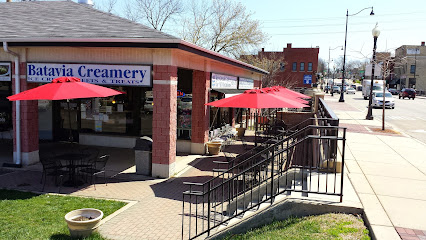
Here in Batavia, Illinois, our Local Conversation group helps to bridge the walkability perception gap by running what we call Ward Walks, wherein we take a walk around town to see just how easy it is to reach common destinations. And what is perhaps the most commonly desired destination than an ice cream shop?
Being able to take a walk to get ice cream on a whim is practically a quintessential American ideal, which makes it ironic that it’s so hard to do in so many of our towns and cities. It’s precisely this expectation that the Ward Walks highlight. As the name implies, each walk highlights a different ward (i.e., political district) around town, starting at a city park and traversing toward an ice cream spot before walking back.
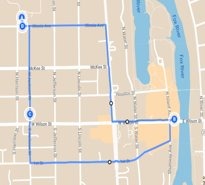
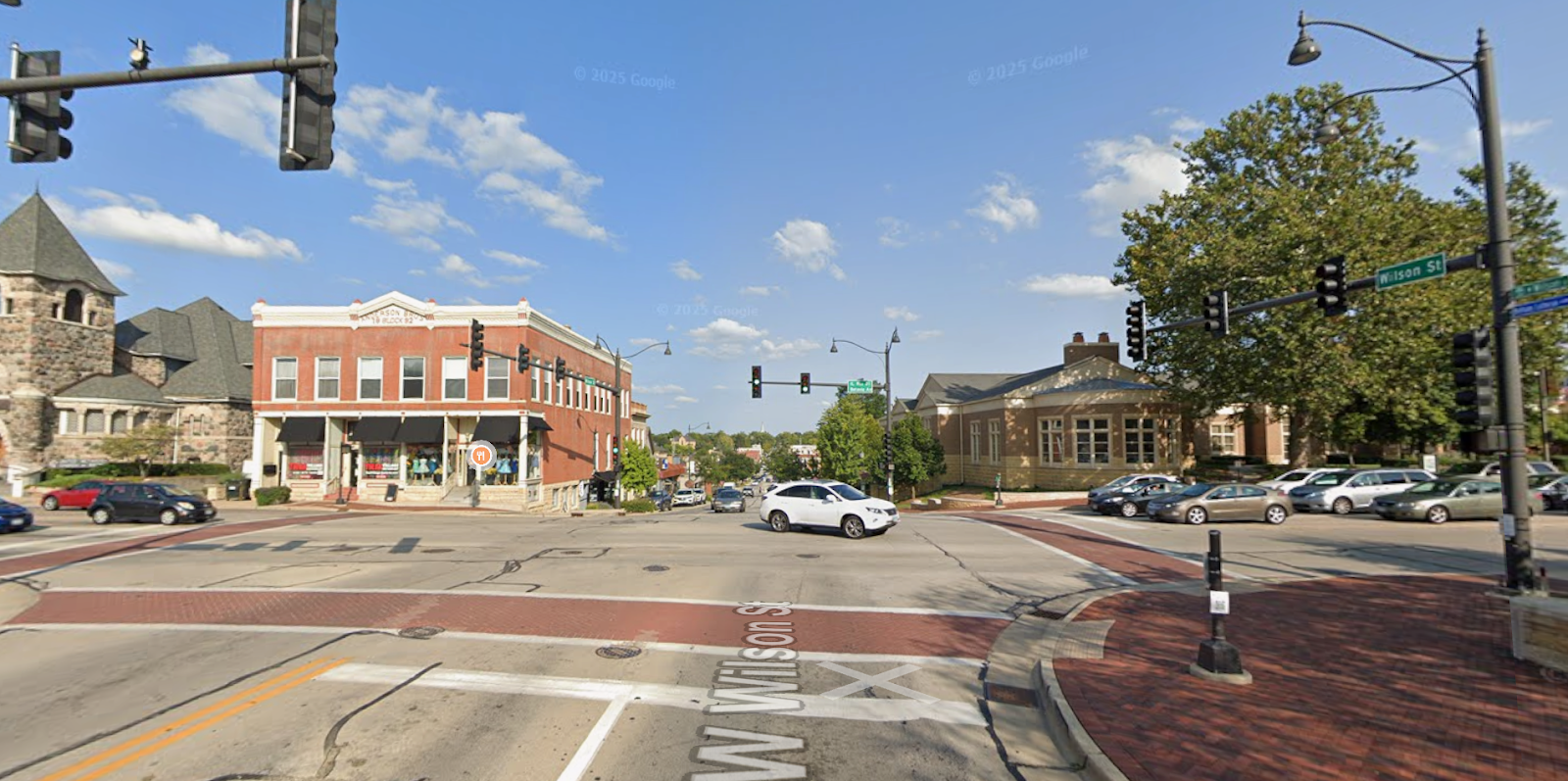
Batavia is an older town in Illinois, meaning that a variety of development patterns are represented. Some wards are quite old and represent a more traditional development pattern, with gridded streets and more mixed use development. Other parts of town are a lot newer and have more of the standard suburban development pattern. And as such, each walk presents different challenges and opportunities. Let's start with some of the easier walks.
Newer parts of town present trickier challenges. The very west side of town, Ward 7, features some of the most recent development, including a major arterial commercial corridor and more sparsely populated suburbs on the periphery. Walks here can be rather long, but there are still some decent ice cream options in the area, and some of the developments were built with pedestrian paths in mind. Getting to them can be a bit of an adventure once you get to the commercial corridor, however, as we often have to end up walking through parking lots, across a busy road, and through the much-vaunted “green space” when pedestrian infrastructure runs dry. These places are not natural places for walkers, but it’s still possible to find a destination and make a day of it.
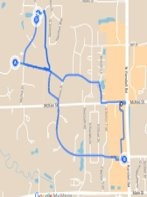
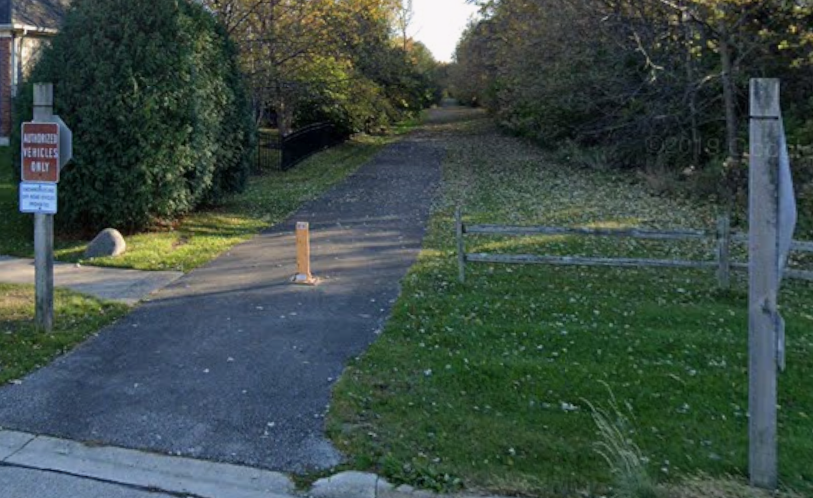
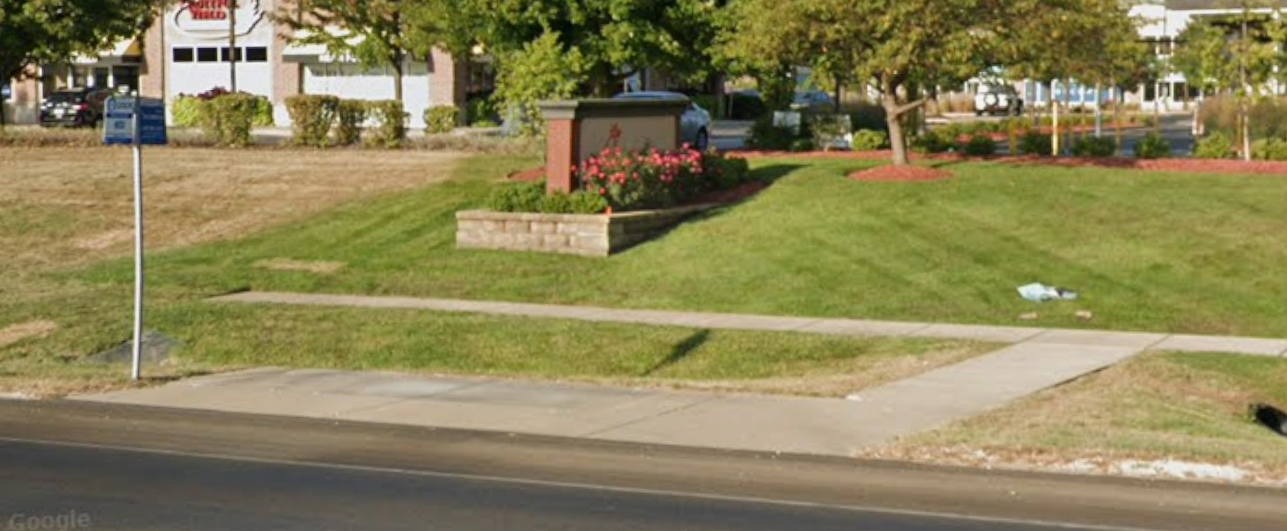
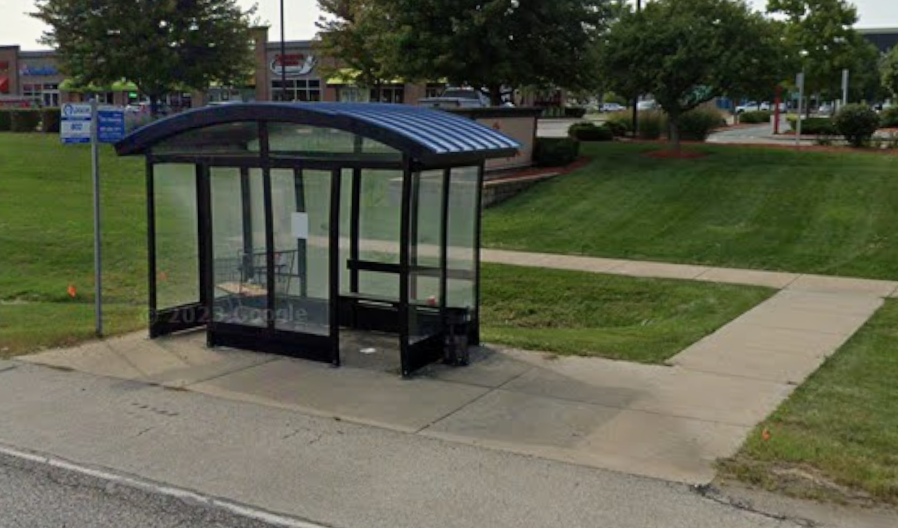
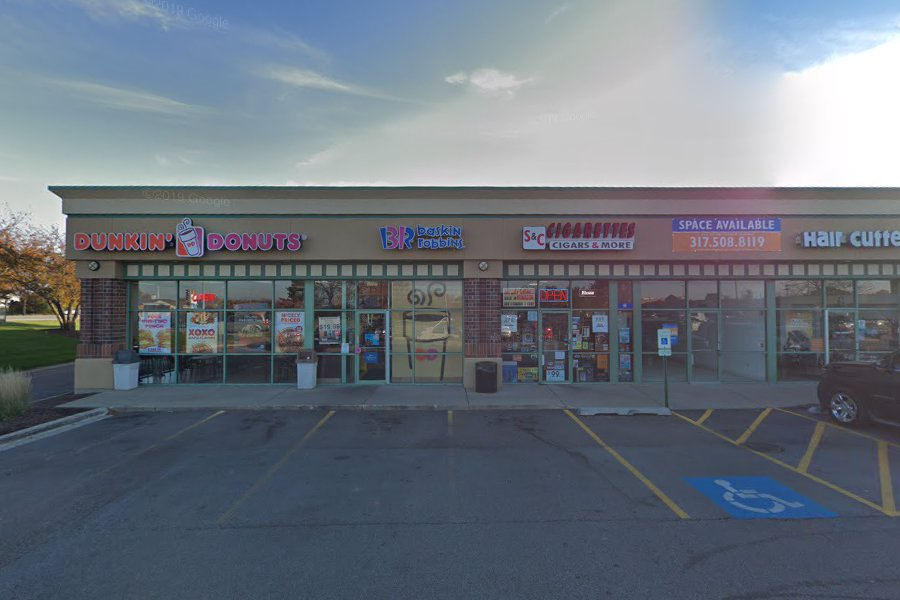
Probably the hardest walks are in the southeast quadrant of town, such as Ward 1, which features no ice cream destinations at all. Our best bet here is often to actually walk out of the city limits entirely, to another commercial corridor just south of Batavia. The difficulty of this is mitigated somewhat thanks to an excellent local “rails-to-trails” bike path which includes a bridge over the city’s eastside stroad (the infamous “Killer Kirk”), but the distance makes this a trek out of reach for the faint of heart. As an added difficulty bonus, we usually chose a more circuitous walk back to get more variety and see more of the challenges in these more heavily suburban neighborhoods.
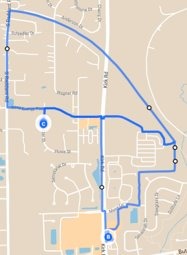
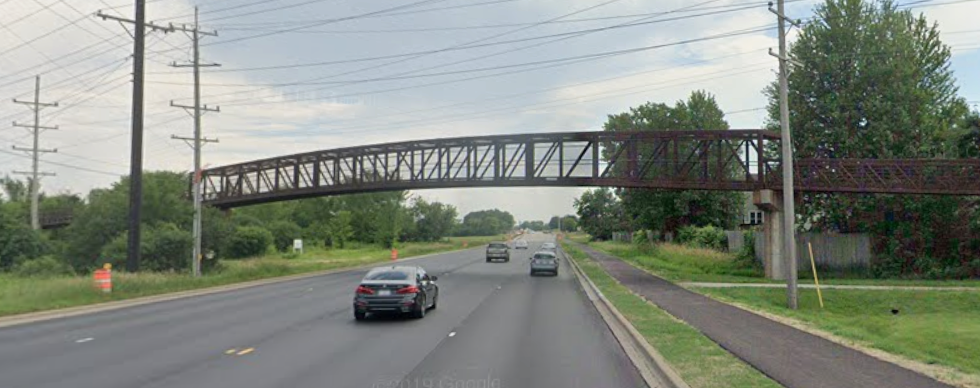
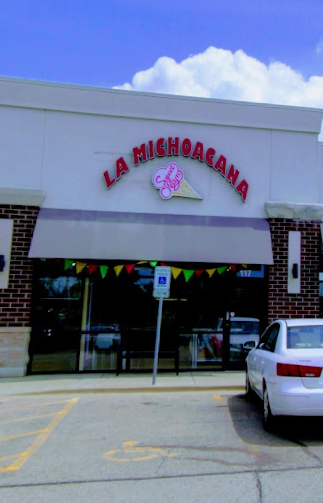
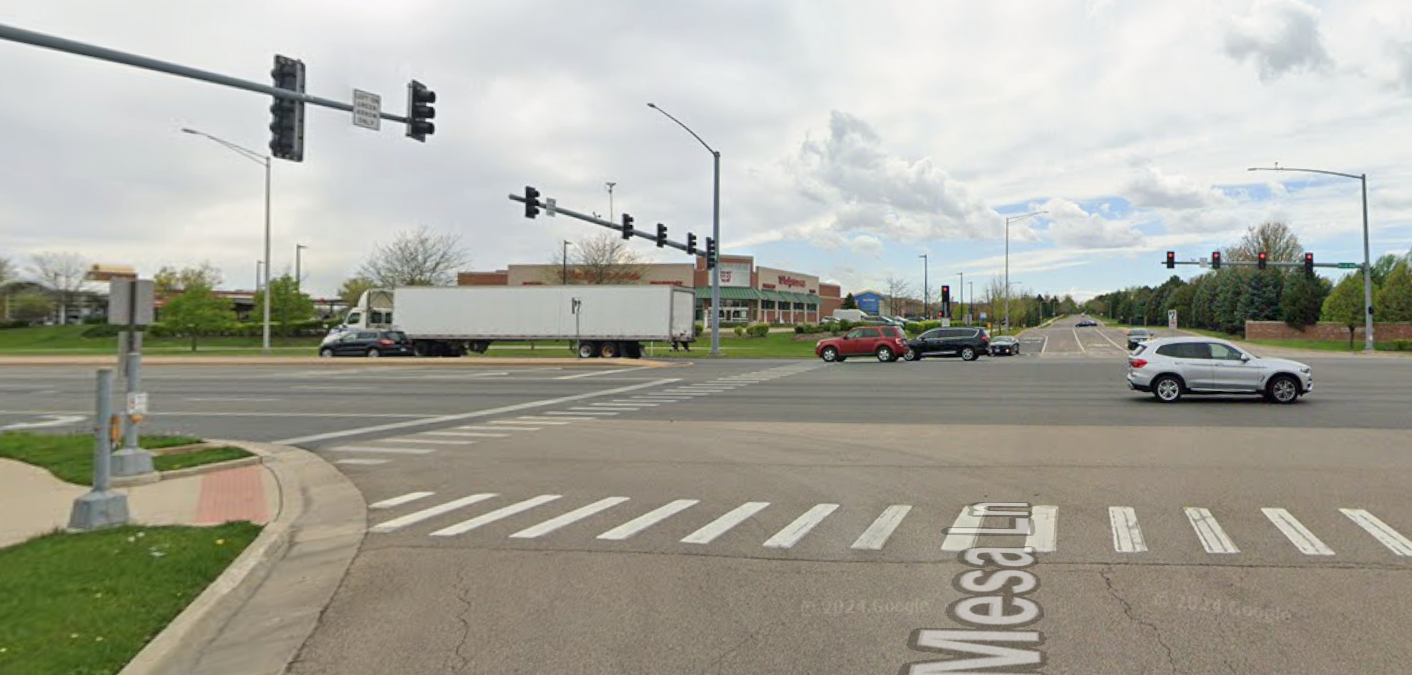
What’s most interesting about the Ward Walks is the sheer variety of experiences one can get from them. Not only do we get to see the many ways one's experience outside of a car can be helped or hindered, but we get to see details about the town that might otherwise be missed. During one Ward Walk, a local resident joined us and led us into a secluded stretch of neighborhood that’s not even technically part of the city, instead being a historical island all unto itself!
Other journeys can reveal significant problems that may otherwise go unnoticed. One time, we came across a bus stop along a major arterial that had been completely destroyed, leaving only the concrete pad and a bunch of broken glass. Which also brings me to another aspect of the Ward Walk: they are an excellent opportunity for community service, such as bringing a trash bag for litter pickup. The joy of the Ward Walk is that it can be a simple event that is quite flexible.
If you’re feeling really adventurous, don’t even make a planned route: just pick a starting point and destination. Finding out how navigable your city is can be a lesson all its own! So if you ever wanted to see your city from a new perspective, and to share the experience with your neighbors, consider starting your own Ward Walks. They’re not only good exercise, but can open up new relationships and civic engagement options, as well.
Dustin Pieper is an electrical engineer by profession and an Alderman for Batavia's 4th Ward. In addition to this, Dustin runs the Strong Towns Batavia Local Conversation. Originally from Missouri, Dustin has lived all over the central time zone and has seen firsthand how different forms of the built environment shape our lives.