Building More Beautiful Places
.avif)
.avif)
Rainbow Row in Charleston, SC. (Source: Leo Heisenberg)
A few years ago my wife and I went on a vacation with my sister and her family to visit both Charleston, South Carolina, and Savannah, Georgia. Both were absolutely beautiful cities and we even did a family photoshoot in Charleston near the famous Rainbow Row. During our photo session, a few things stood out to me. The first was that our photographer had done shoots at this location multiple times before, second was that there were multiple other groups also in the middle of doing a photo session at this location, and third was that our photographer would wait until there was no traffic on the street to take a photo.
Why that spot, though? Why would so many families choose to take photos at the same location? After all, there are plenty of places in the city to take photos at, including professional studios with better lighting, air conditioning, and a great photo environment. The reason is the same as why our photographer didn’t want traffic to be a part of the photo. It’s because Rainbow Row is a beautiful place and people want to experience and capture that picturesque beauty unblemished.
The Attraction of Beautiful Places
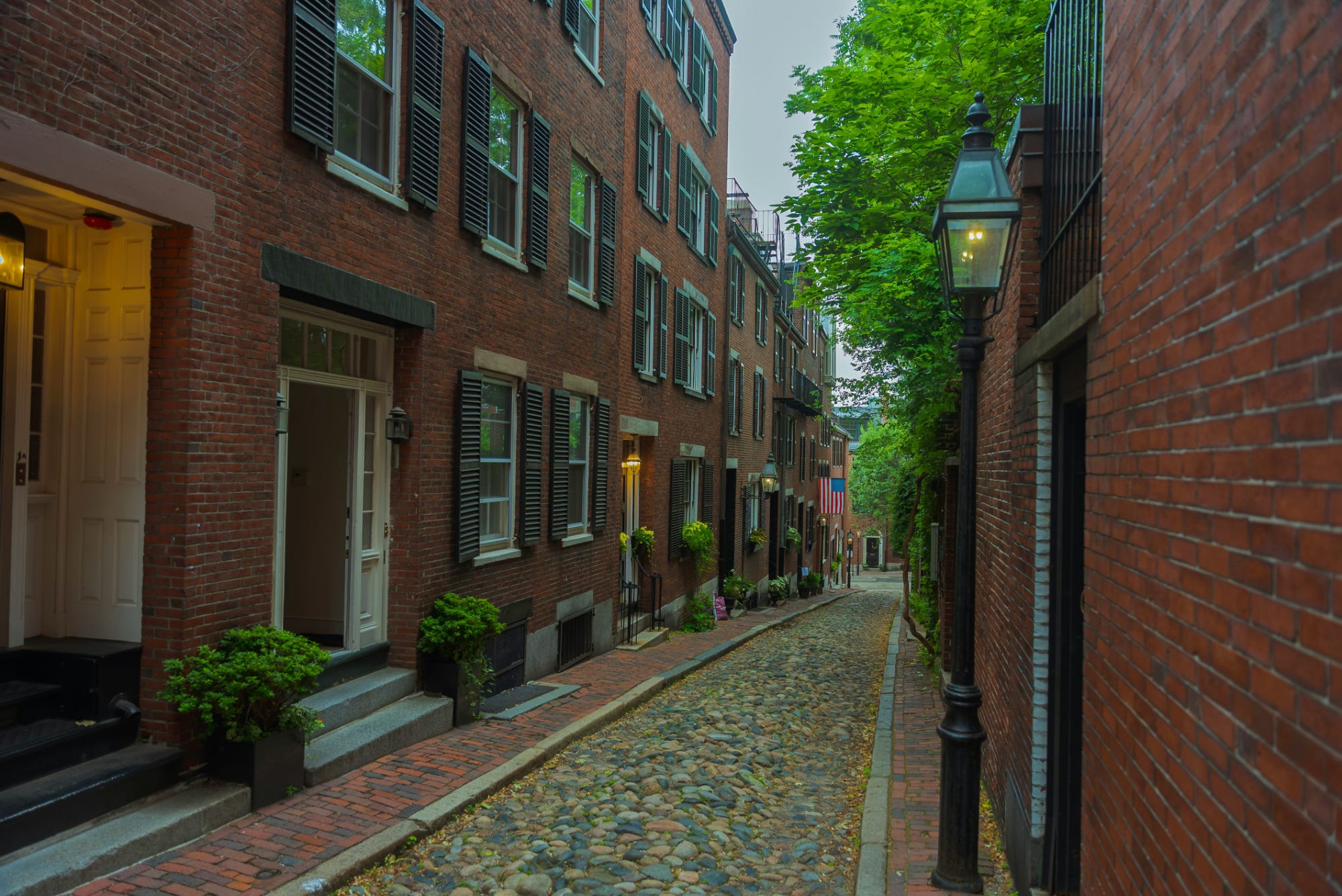
When my sister came to visit us in Dover, we travelled to Boston and she insisted on getting a photo of Acorn Street. We walked past dozens of other streets that day, but she specifically wanted a photo of Acorn Street. You have likely done this or something similar when visiting a place. Looking online and doing research to find the most beautiful spots of the city that you can go to during your stay. Sometimes it can even be the motivation to visit a city in the first place. How many people have gone to Paris just to see the beauty of the Eiffel Tower? People will hike or drive somewhere just for the scenic view overlooking the city. We seek out beauty in our lives. We search for it, and we will make large efforts to witness it.
Beauty is an important quality of places that people love, places that people care about. It moves us and inspires us. There has even been research done that shows people are happier when they live in beautiful places. What’s more is that it’s a driver for strong communities as it fosters passion for places. People are more likely to walk, socialize, engage, and participate when they think their community is beautiful. Beauty is an intangible quality that creates strong, emotional connections for people.
Ugly Places Create Ugly Feelings
So there are some good things that come with beautiful places, but making places like that can be difficult and costly. Maybe we should save our money and effort and just invest in them sparingly? Well, there is evidence that our environment and the way we feel about it can affect our health. If beautiful places can create positive feelings, then a lack of beauty in places can also foster negative emotions and mental health effects. Long, drab walls with no adornment, wide stretches of empty asphalt; bland, repetitive buildings; and loud noisy areas can contribute to increased stress levels.
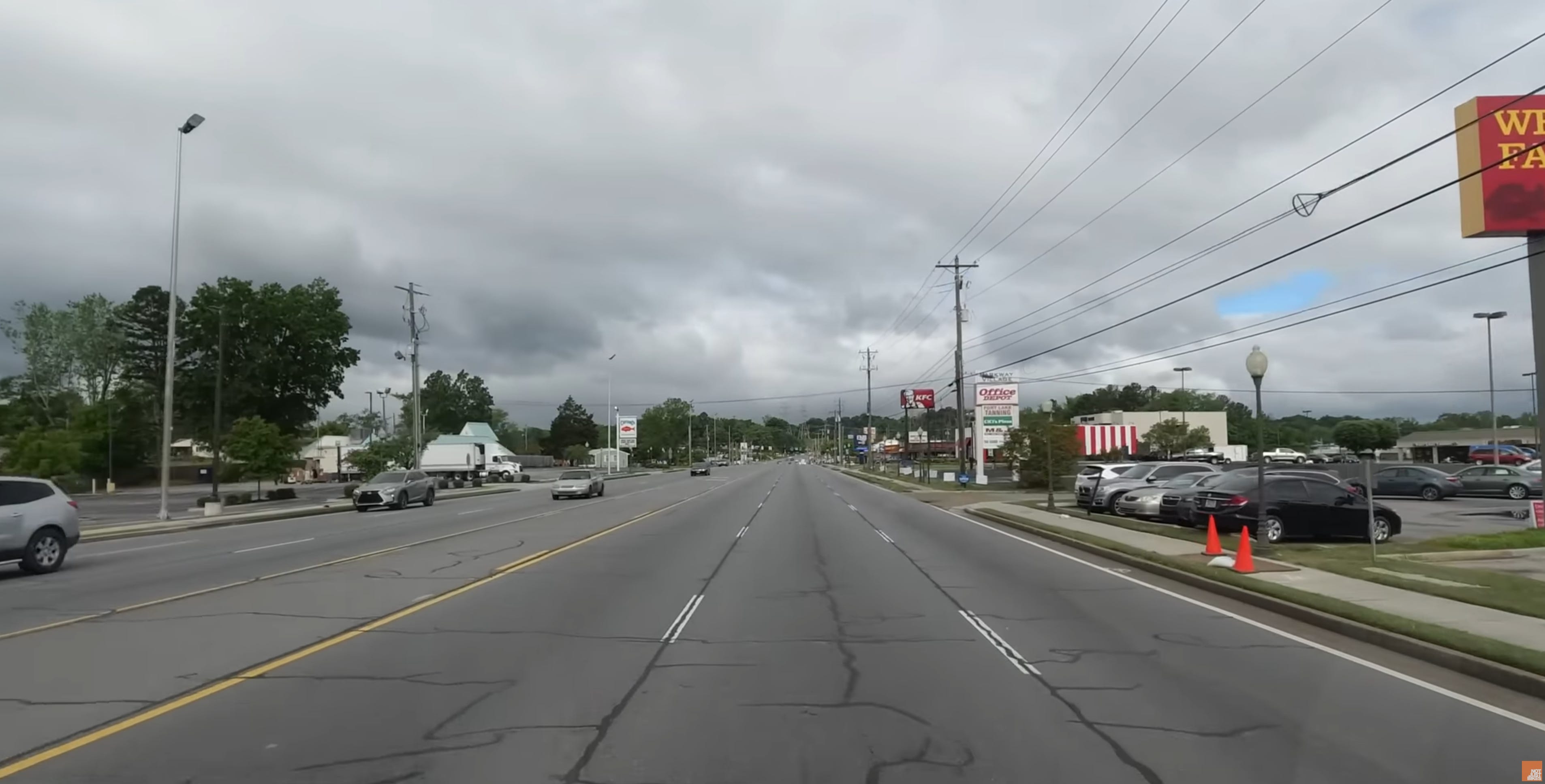
People generally don’t care about ugly places. They start to look elsewhere: they retreat into their homes, their phones, and social media. If we spend day after day in ugly places, it physically and emotionally affects us in negative ways. Over time that manifests as individuals living worse lives and leaves communities struggling with isolation.
Can We Build More Beautiful Places
What is beautiful, though? Of course, this trait is famous for its subjectivity and has even developed the common adage, “Beauty is in the eye of the beholder.” However, there is enough overlap across our many beholders to identify several qualities that beautiful places have in common. For instance, most people would rather take photos at a city park than in a parking lot. This lets me confidently make some suggestions, but I fully understand that some readers may feel differently.
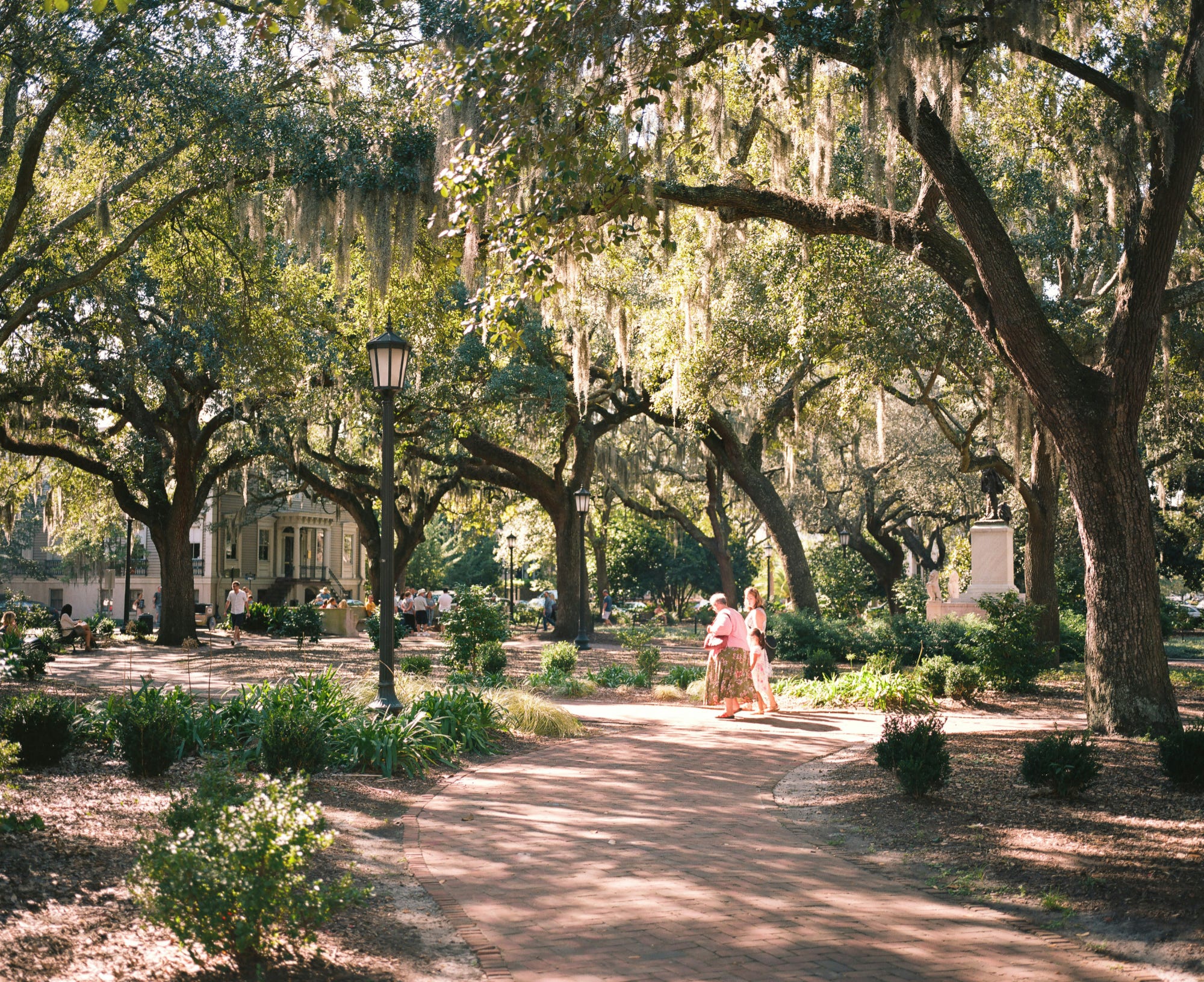
Greenery: One of the primary traits is the presence of trees, plants, and greenery. The inclusion of nature and the merging of it with other environmental elements.
Built to a human scale: Beautiful places are built for humans to interact with. Things are close by, walking is an option, and signage is designed to support pedestrian experiences.
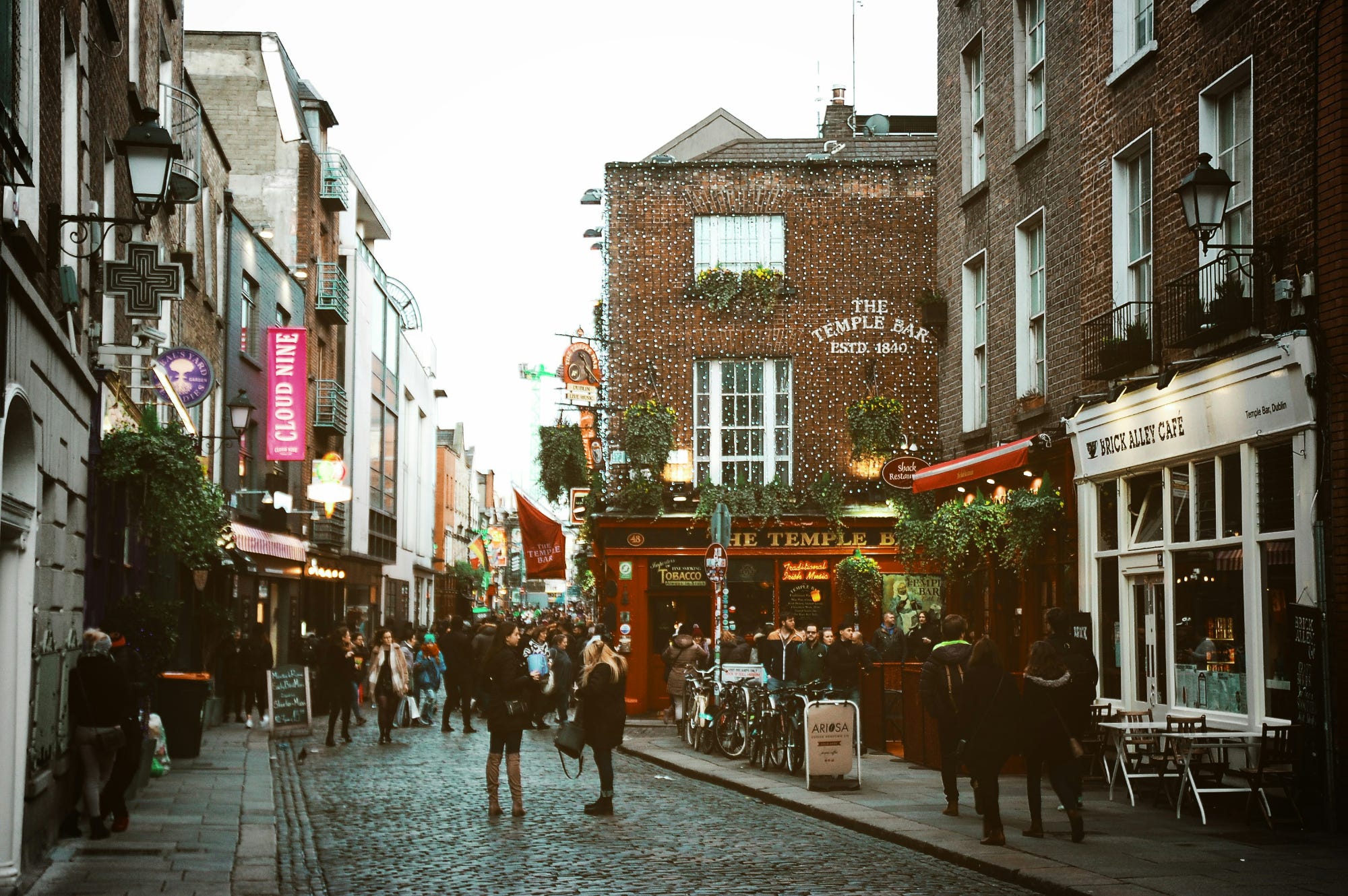
Visual Variety: A variety of distinct elements for people to look at rather than stretches of blank or repetitive walls
Built for human comfort: An essential trait is people wanting to be at a place. Mitigating things such as noise, danger, and discomfort is vitally important.
Enclosure: Sometimes people refer to this as a “public room”: something that has clear edges and is contained. It gives boundaries, a beginning and an end.
Deflected Vistas: This is related to enclosure and focuses on shortening sight lines to create distinct areas that allow and encourage people to explore.
Taking Photos Around Dover
To explore this concept of beautiful places, I dragged my wife and a friend to do a photo shoot of different places around Dover. My goal was to take photos in places that feature built environments, and to capture a wide variety of places. My hope here is to showcase the types of places that we are building in our city and highlight the areas that are beautiful and the ones that aren’t, but I’ll let you come to those conclusions on your own.
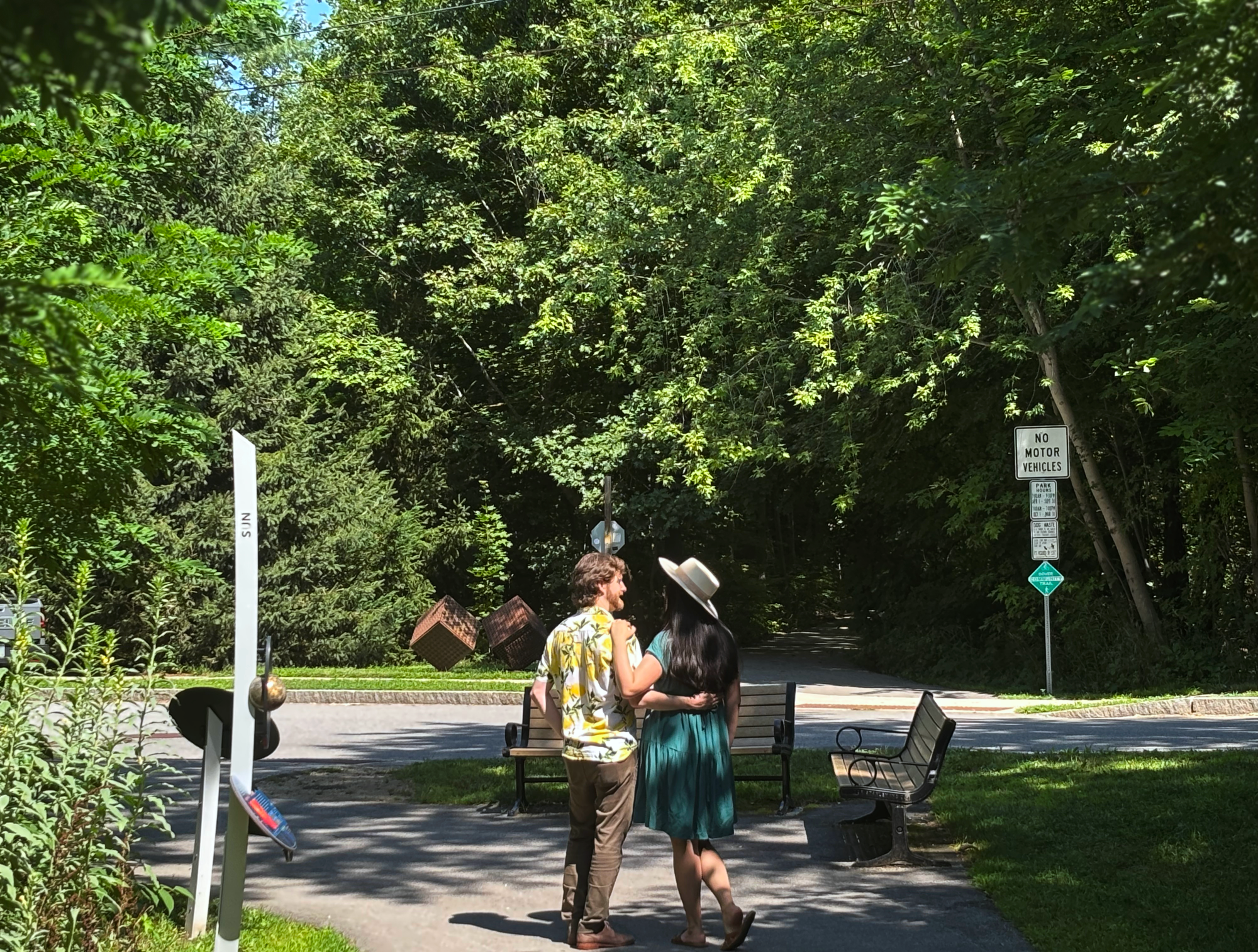
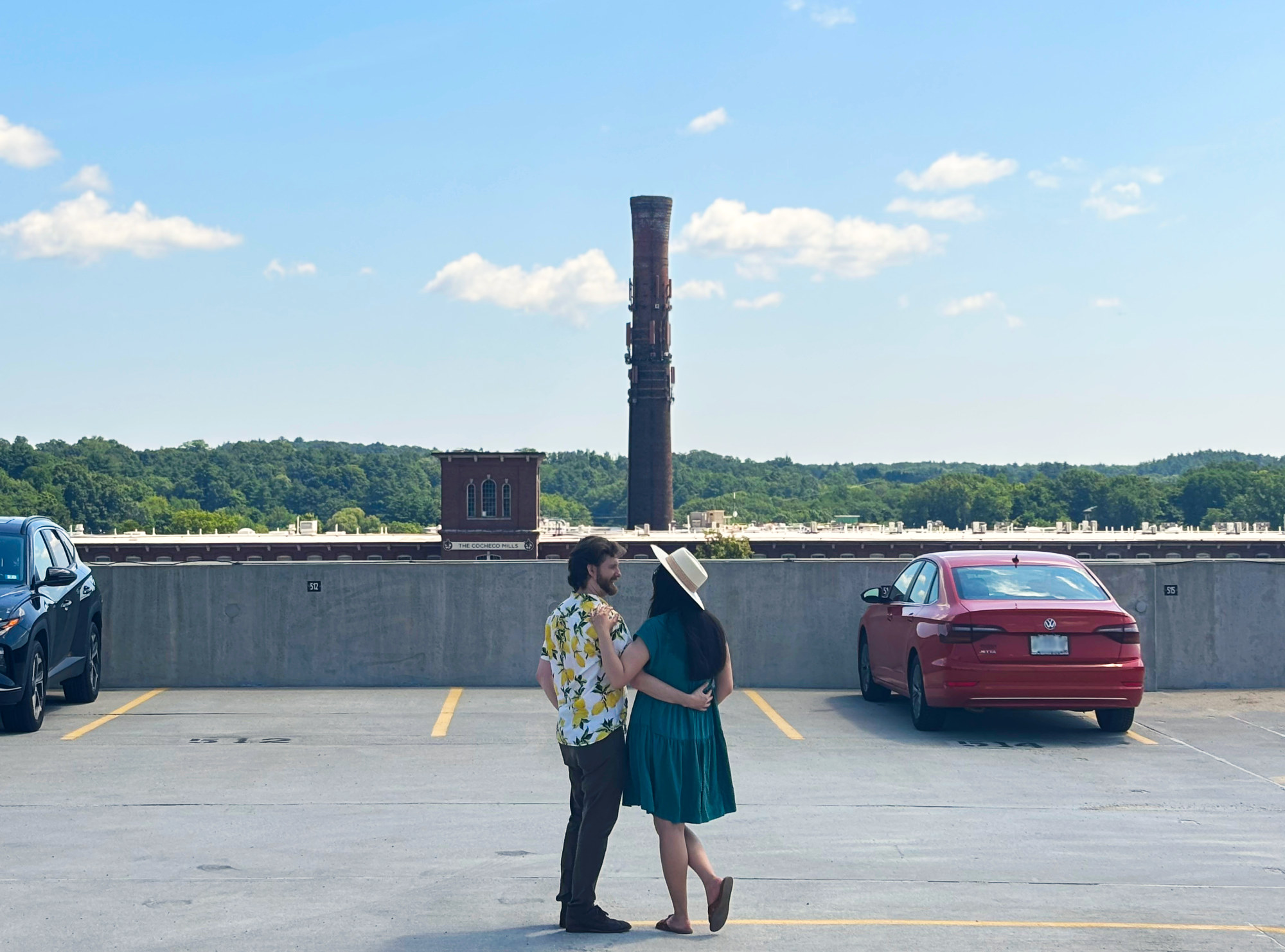
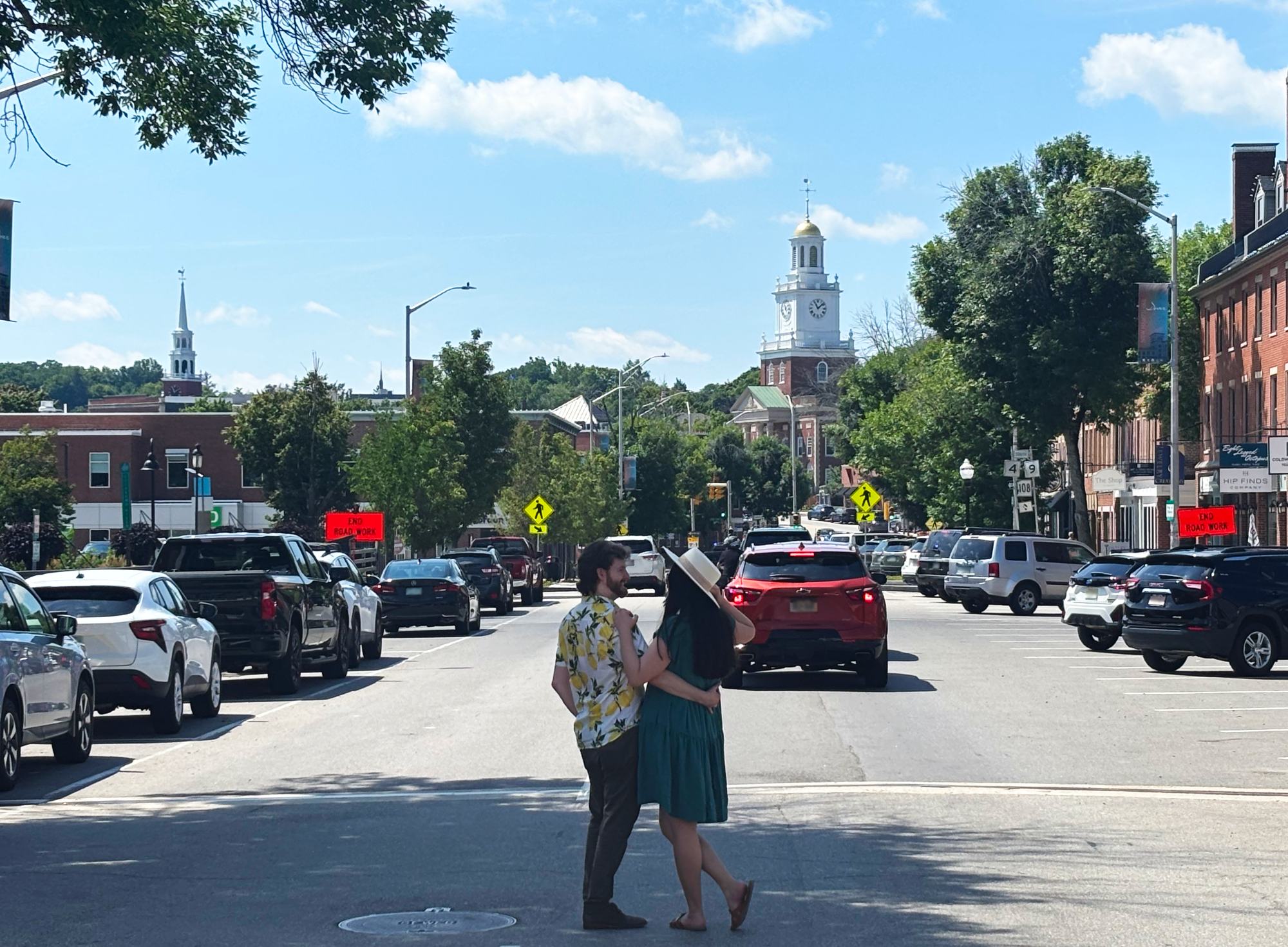
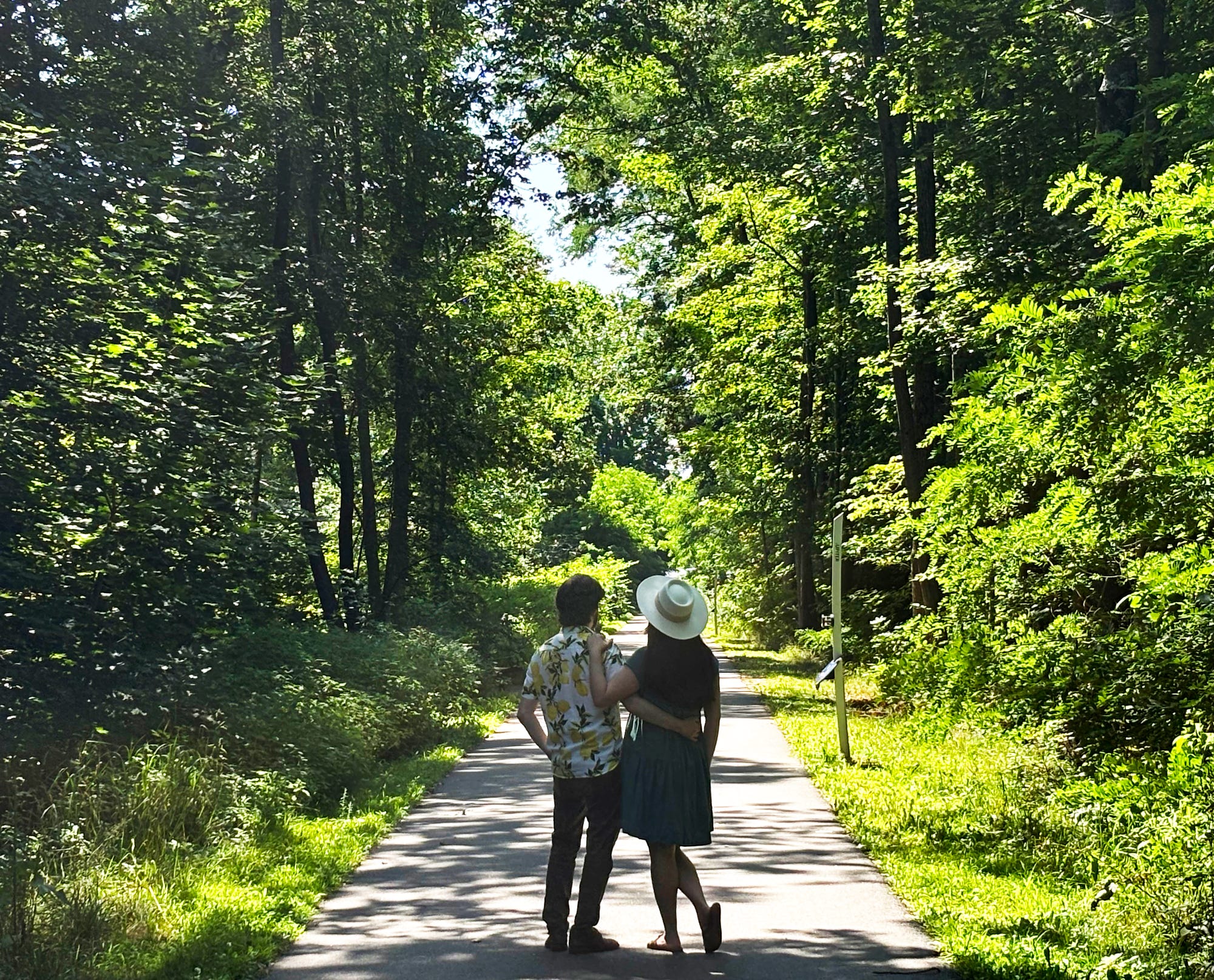
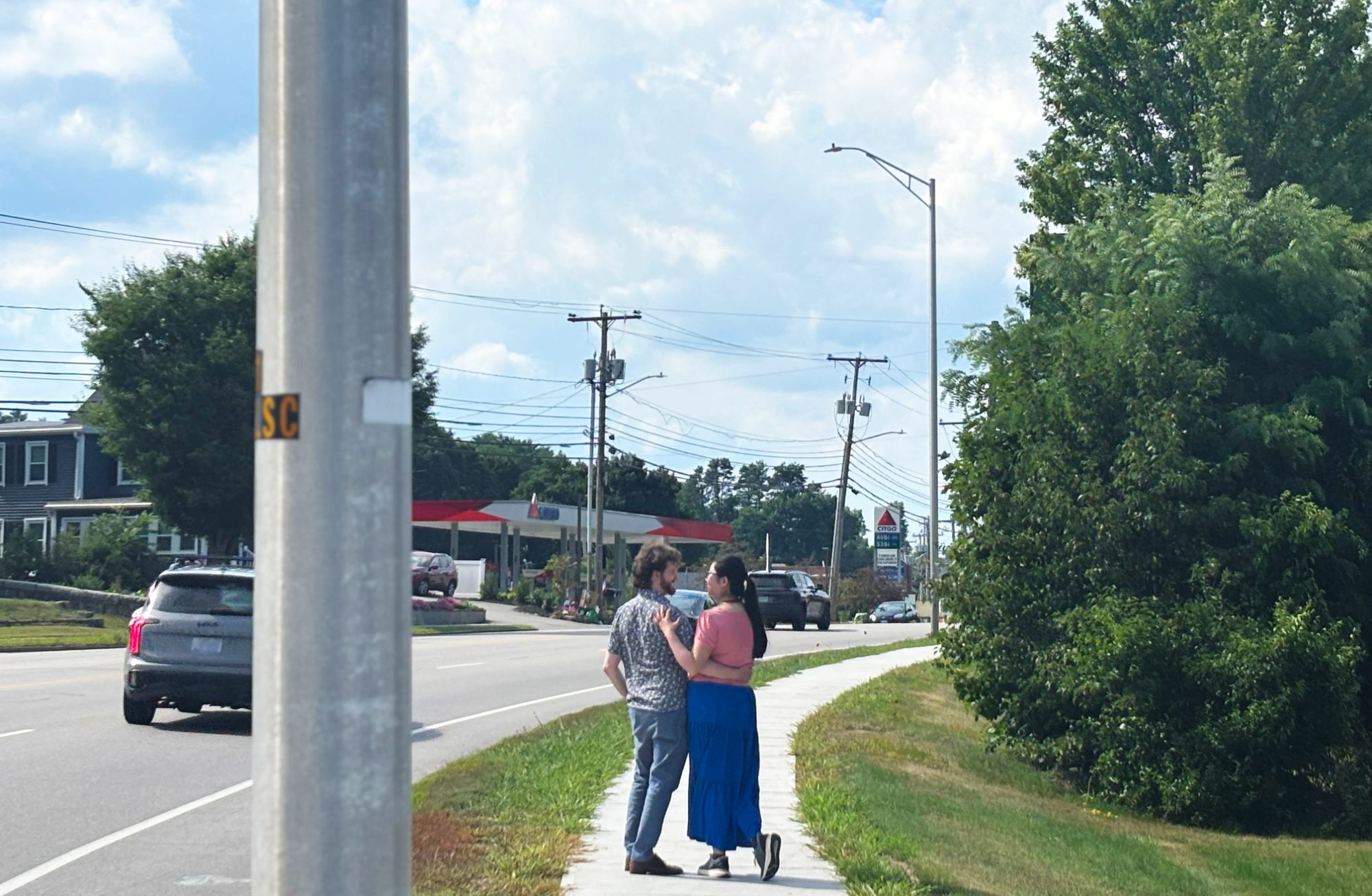
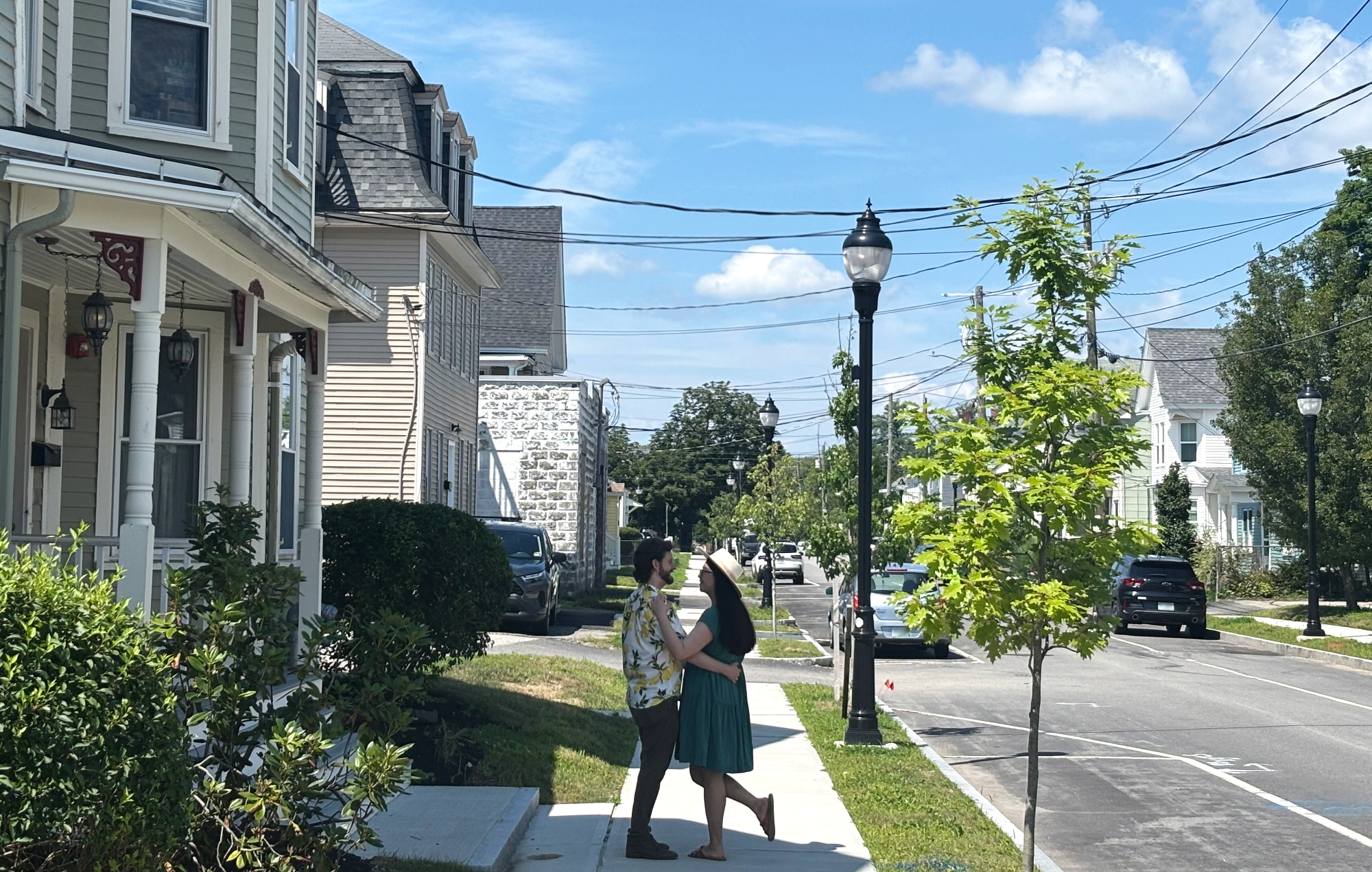
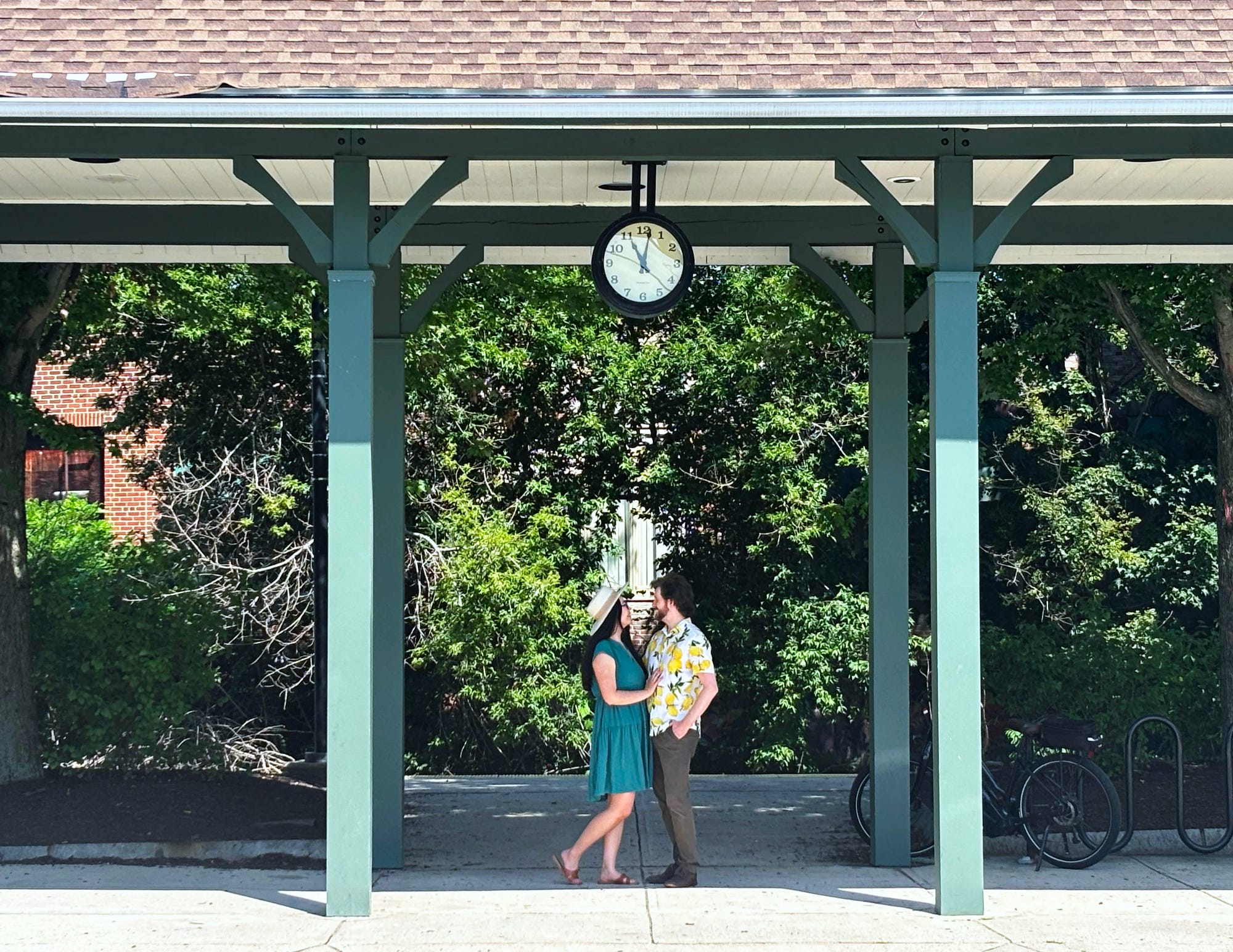
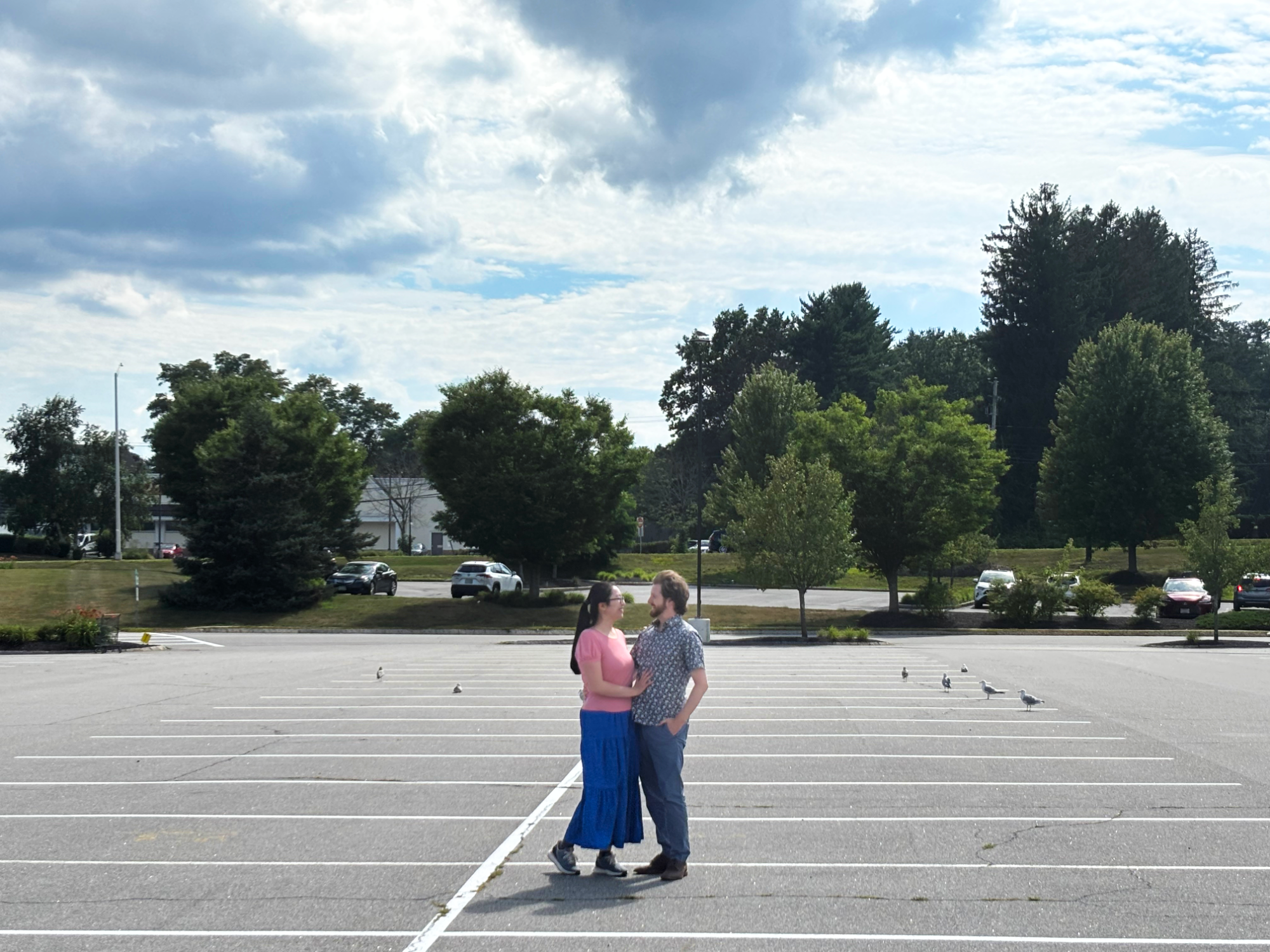
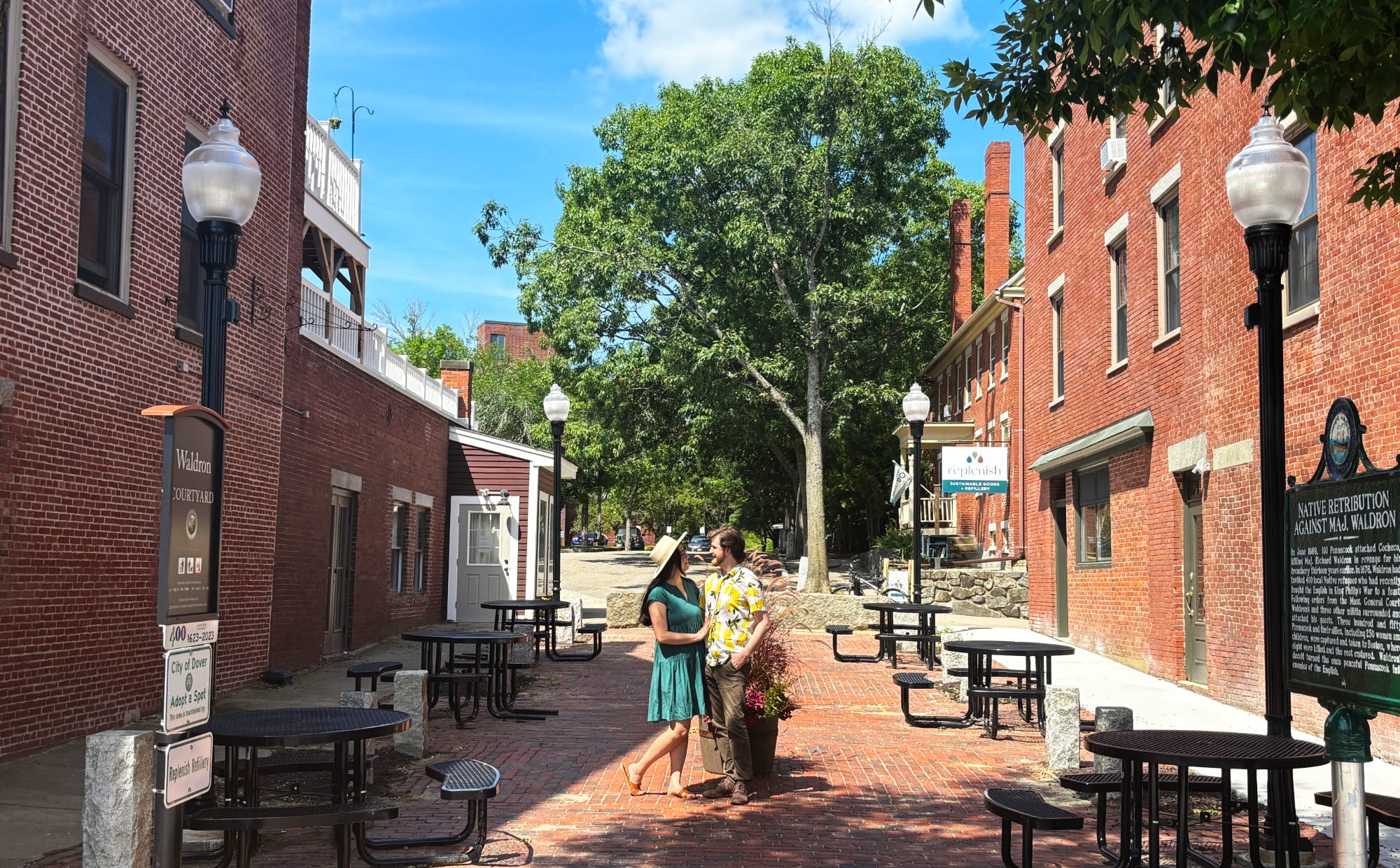
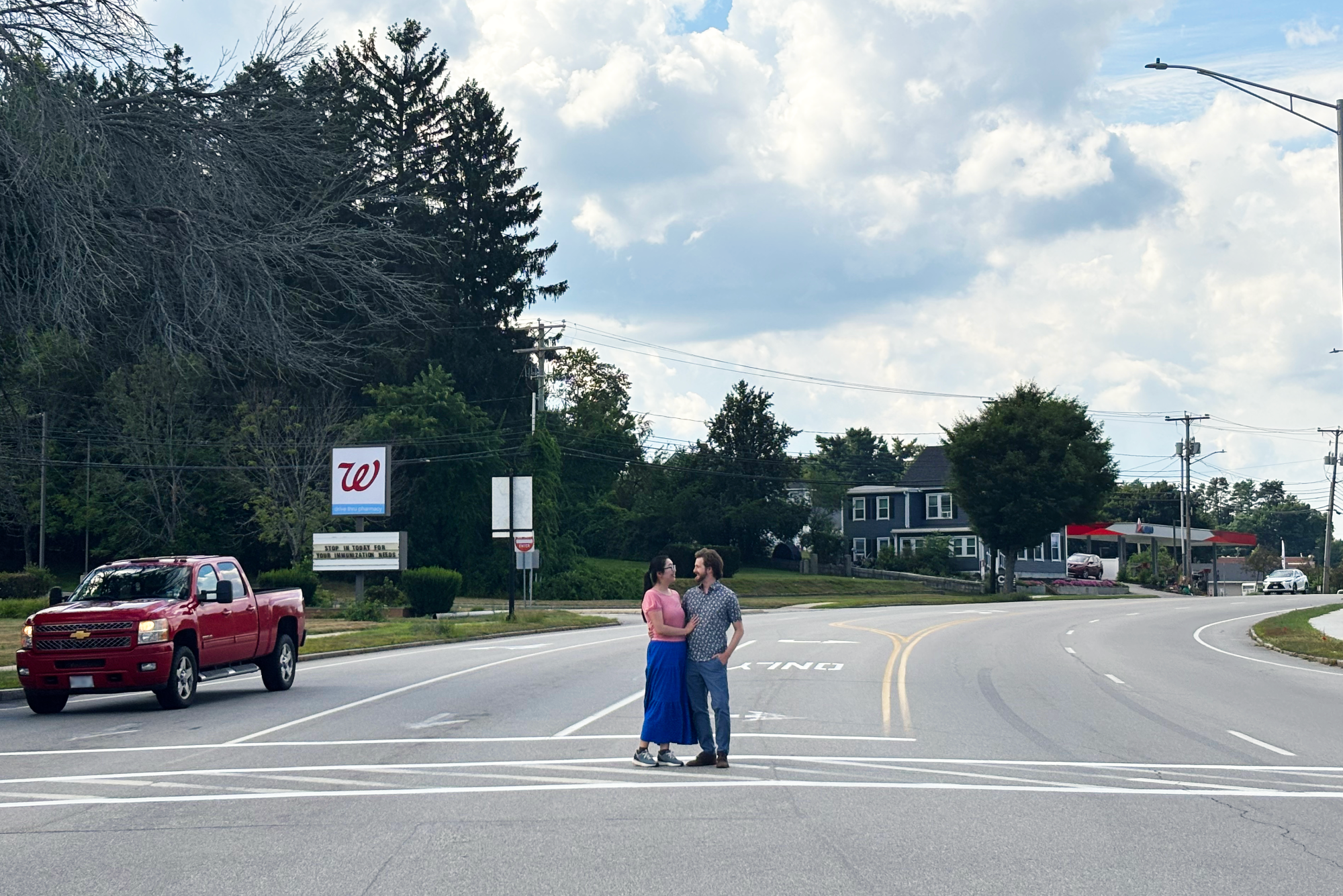
Which of these stand out to you as beautiful? Which would you want more of in your city? Are there elements that add or detract from the beauty of these places? Most importantly, which of these places would you want to be in? A huge thank you to my wife Ting and friend Marc Fillion for doing this on a weekend during the heat of summer.
Conclusion
Thank you for reading. I’ve had the idea for this article for over a year now and I feel that beauty in our places is of great importance. It’s a difficult concept to express and even more difficult to highlight that importance. My hope here is that more people will look around at their city, their street, their grocery store, and the places they go to on a weekly basis and consider how they feel about them on an emotional level. Are you proud of these places? Do you care about them? Dover’s downtown is one of the oldest sections of the city and it is a source of pride for the community and people care about it. Let’s think about what kinds of places we will be creating and leaving behind for the next generation. Let’s try to build beautiful places that are worth caring about.
[[divider]]
This article was originally published, in slightly different form, on Strong Towns Seacoast, which is run by Strong Towns member and Local Conversation leader Aaron Williams. It is shared here with permission.
Born and raised around Birmingham, Alabama, Aaron Williams became interested in community and cities after visiting Japan with his wife in 2020. He started learning more and began a podcast focused on these topics before eventually starting Strong Town Seacoast in 2023. Now he helps lead monthly meetings, write newsletter articles, and advocating for safer streets and resilient cities in New Hampshire's seacoast region. He spends his free time takes walks with his wife and son, attending board game nights, and playing video games together with his wife.
%20(1).avif)
%20(1).avif)
%20(1).avif)
.avif)