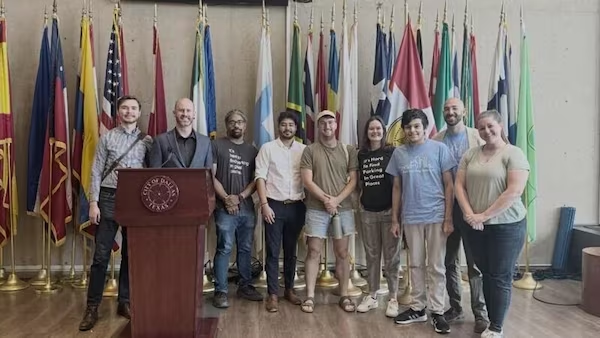
On Wednesday, the Dallas City Council passed sweeping parking reforms, making it easier to open businesses and build housing in the city.

Yuppies (young urban professionals) are fleeing the city—Diana Lind explains why it matters. This shift is reshaping housing markets and your local corner store.
.webp)
Pedestrian deaths dipped 2.6% in the first half of 2024 compared to 2023. But they're still higher than they were a decade ago. That tells us something isn't working.
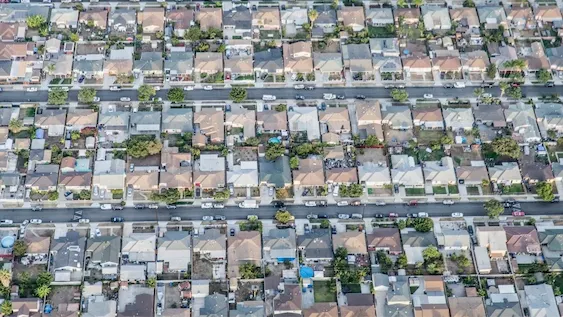
The problem isn’t that we haven’t sprawled enough. It’s that sprawl creates fragile places instead of resilient ones.
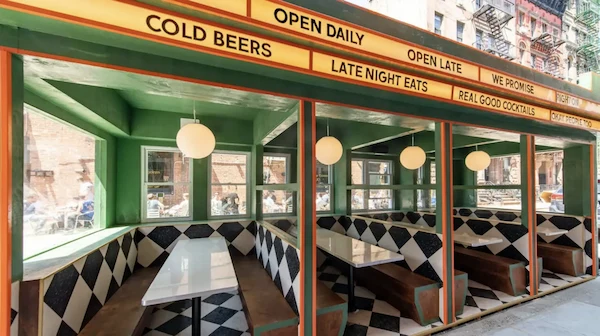
"I mean we can't have a structure. It's not a structure. It's a legally parked car. Just so happens people eat pizza in it."

“We’re all looking at our parking lots and realizing they can potentially be used for housing.”
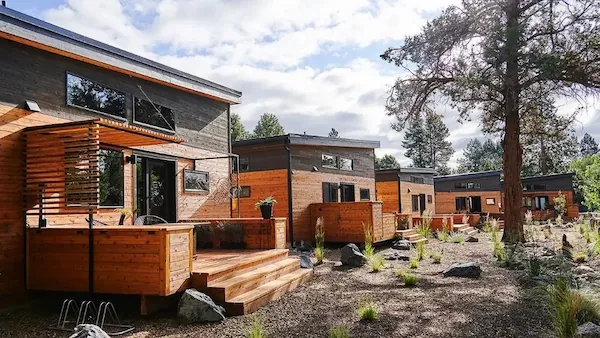
How do you balance urban needs and natural resources?
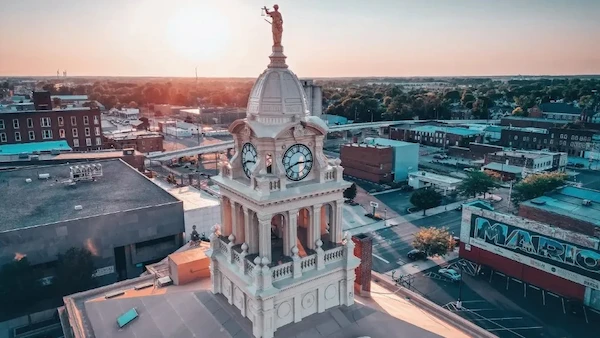
“The real story of Marion isn’t about decline—it’s about response.”
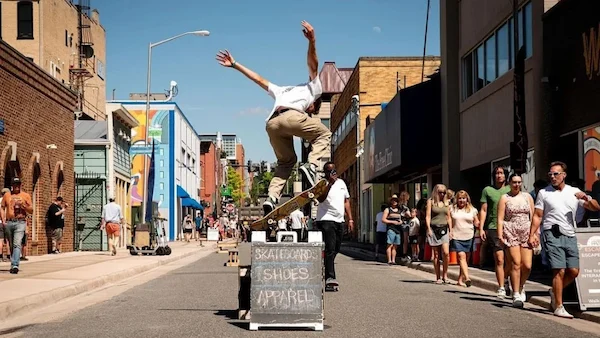
The Strongest Town Contest isn’t a pageant for towns that have “figured it out.” It's about the people and places that keep showing up.
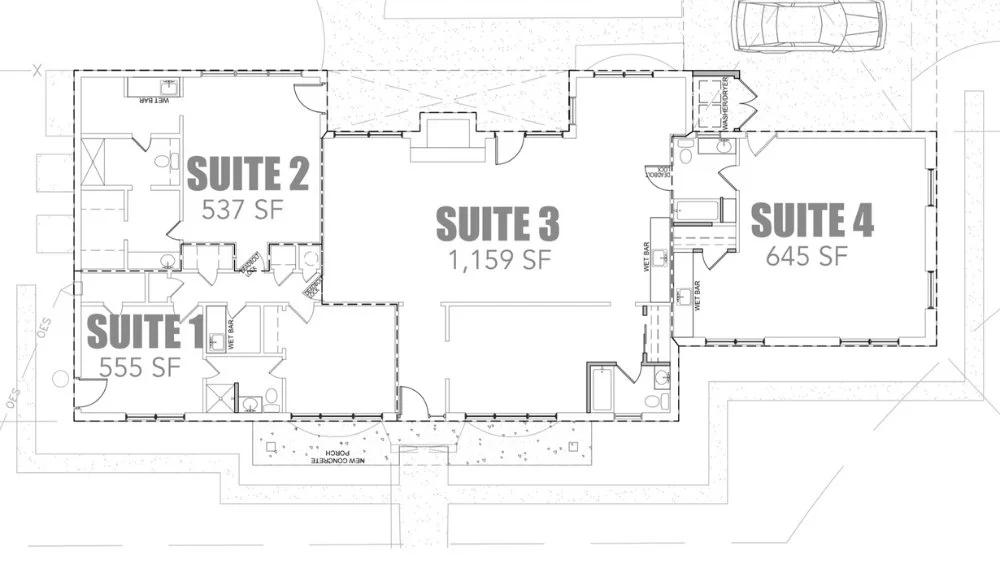
“It’s ridiculous that this kind of housing isn’t legal everywhere." How one Texas man is reimagining his single-family home.
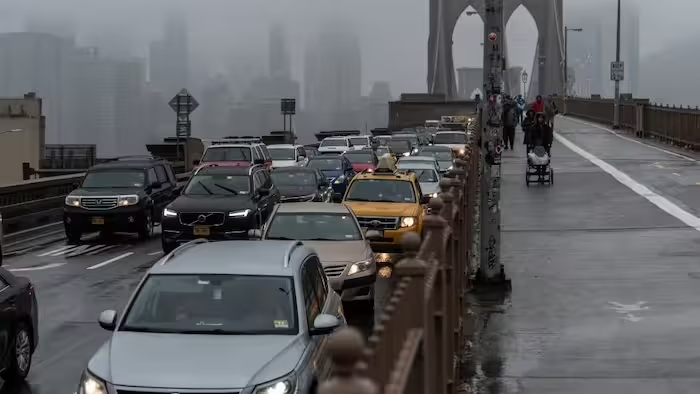
The Trump administration’s elimination of congestion pricing was shortsighted, but NYC’s congestion pricing was deeply flawed from the start. If congestion pricing is ever going to work as intended, it needs to be revamped with the right priorities.
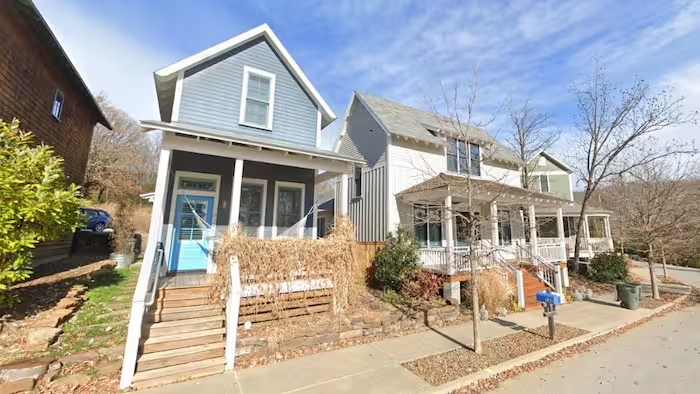
Reducing minimum lot sizes can unlock the potential for smaller, more affordable homes while meeting the needs of the community. Here’s how one developer got community support and multiplied housing availability.

The Federal Highway Administration has a chart full of answers to that question you might find useful.
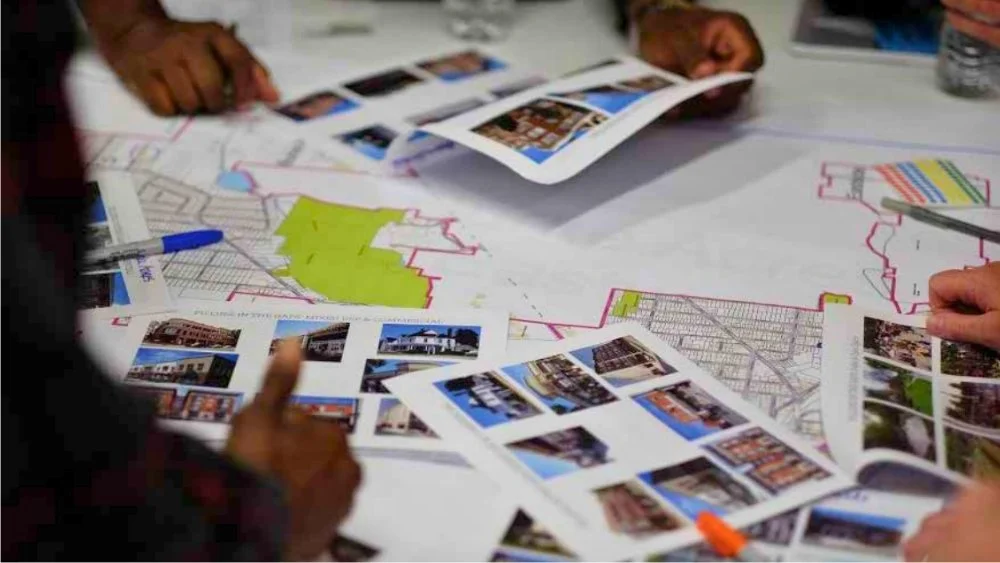
From “impossible” to “let’s see what we can do." This is how Rebekah Kik turned city hall into a launchpad for neighborhood-driven development.
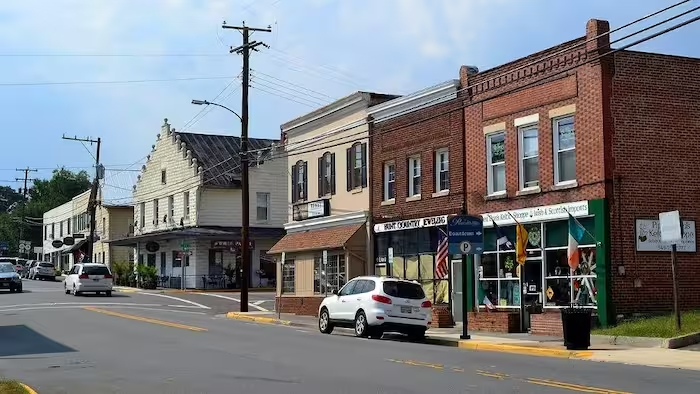
The Growth Ponzi Scheme encourages city governments to take on obligations they can never hope to sustain. Purcellville, Virginia, offers a stark example of where this path leads.
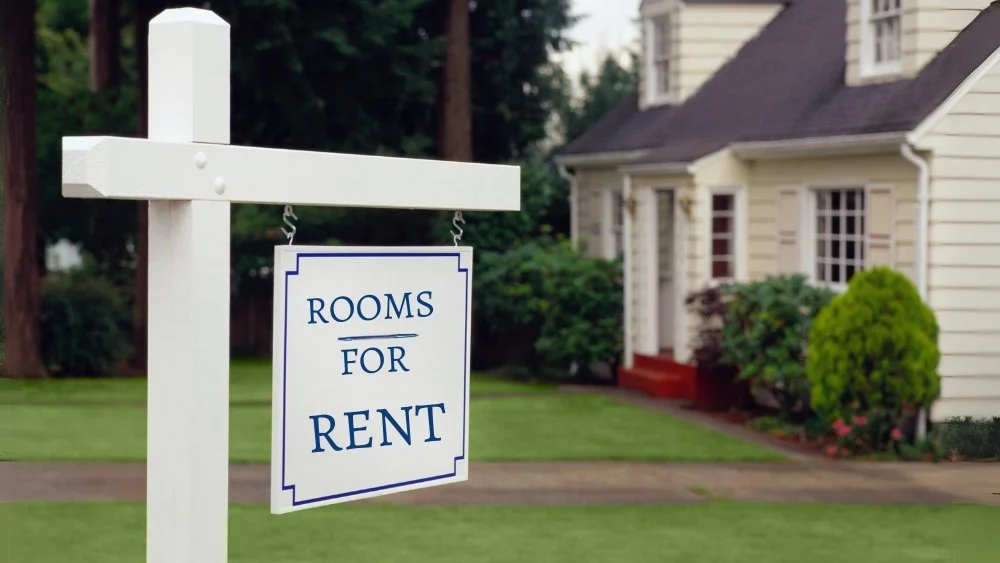
You love your house, where it's located, and your neighbors. But what if it's too big for you?
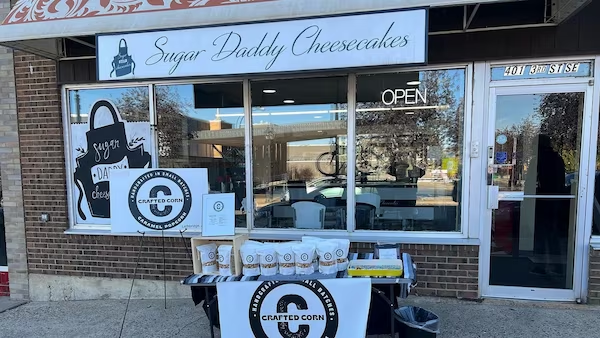
Conventional thought would tell us that the new commercial developments in a city should be the most productive compared to the older buildings downtown, but that’s not necessarily the case.

We're building something we know won't be here two decades from now.
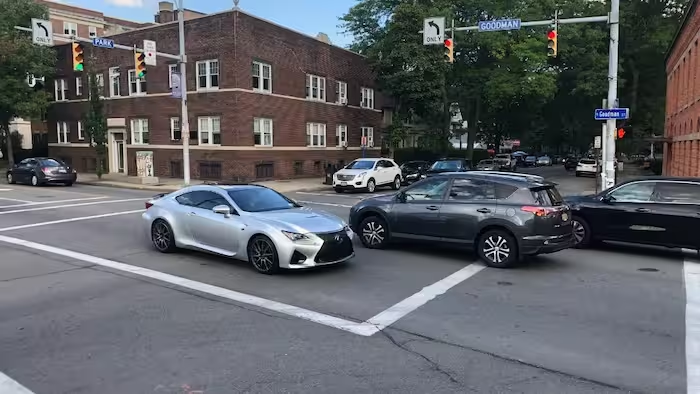
After a fatal crash, Rochester citizens and officials got to work, identifying factors that contributed to the crash, updating street design policies to make streets safer, and establishing a Community Traffic Safety Team to address other dangerous factors before crashes occur.
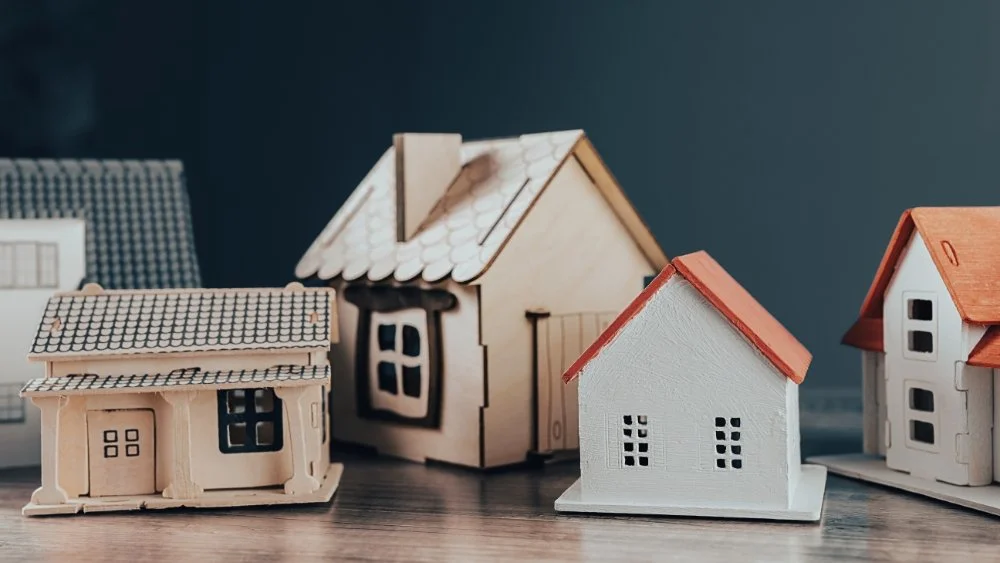
Incremental doesn’t mean slow. When every neighborhood can build a little, the whole country can build a lot.

This year, official inflation is up 2.6% while the Christmas Cookie Inflation Index rose by 6.2%. What does that mean?
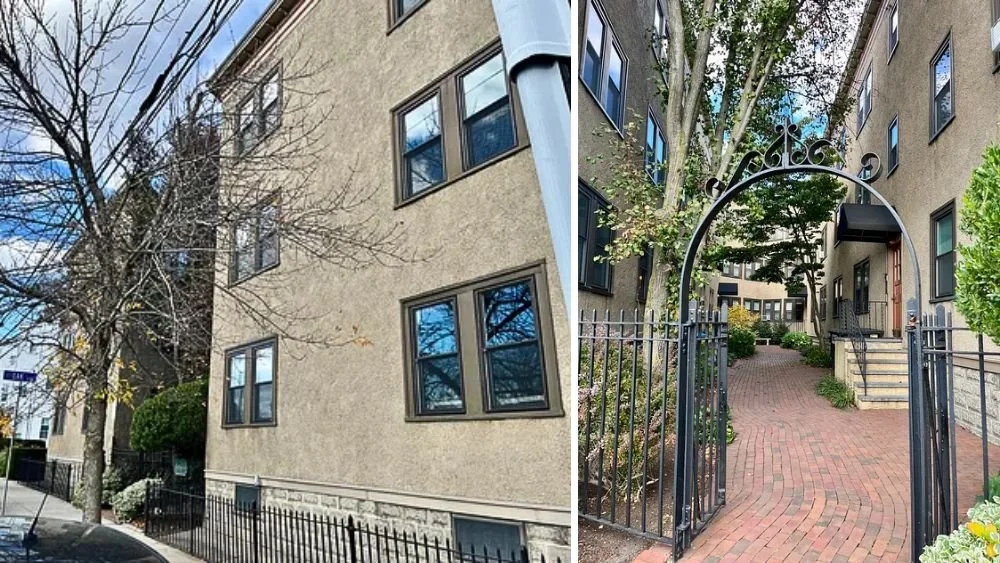
We assumed two stairwells made buildings safer. The numbers say otherwise.
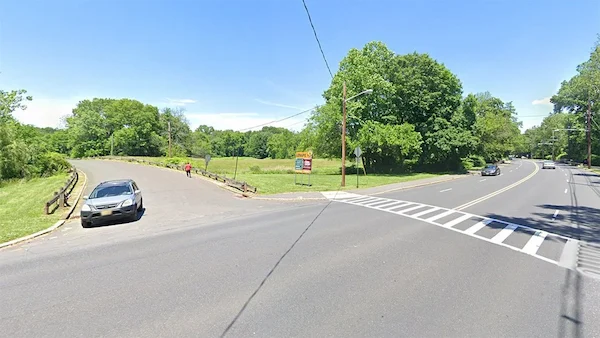
“It’s a highway running through our community and this...this is what happens.”
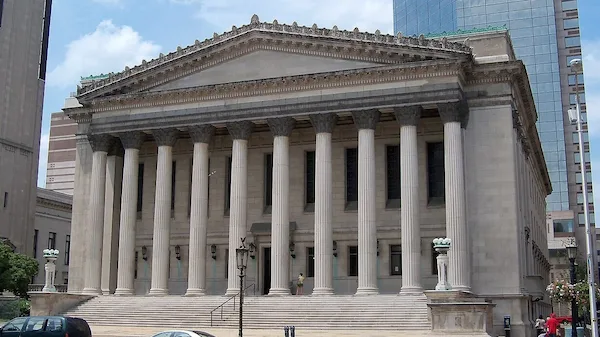
"When we fail to take action, we do a massive injustice to the public that we are supposed to be serving."