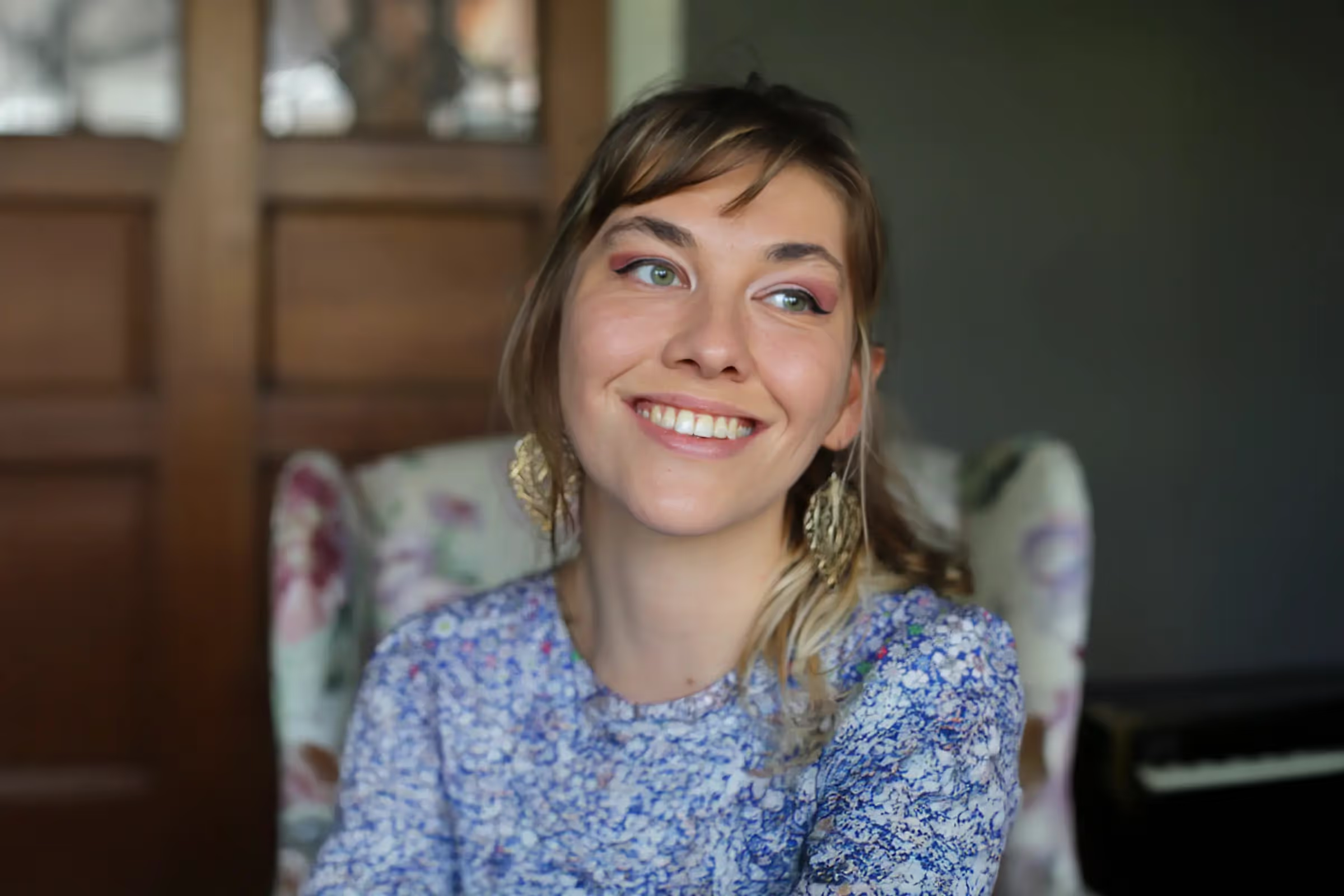
Asia Mieleszko
Asia (pronounced “ah-sha”) Mieleszko’s career defies easy categorization—from researching Ukrainian folk traditions to covering infrastructure policy, from performing on the world’s biggest stages to the most cramped basements. At heart, she’s a storyteller, driven by curiosity about how people and places become what they are.
While at Strong Towns, Asia paired analytical rigor with empathy to examine the forces shaping our built environment. As host of Stacked Against Us, she guided listeners through the labyrinth of housing, finance, and local governance, revealing both the systems constraining communities and the openings for meaningful action.
Off the clock, Asia can be found behind a camera, playing the accordion, or riding the rails across the country, always curious about the places and people along the way.
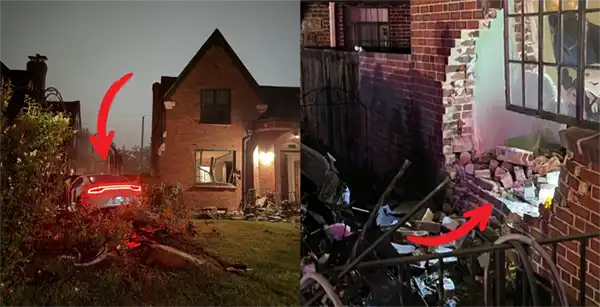
The house is beautiful. The neighborhood is charming. The street? Designed like a drag strip—and it's launched multiple cars into one family's living room.

In Portland, Oregon one neighbor’s DIY device is quietly collecting the kind of street data cities can’t ignore—and that neighbors have known all along.
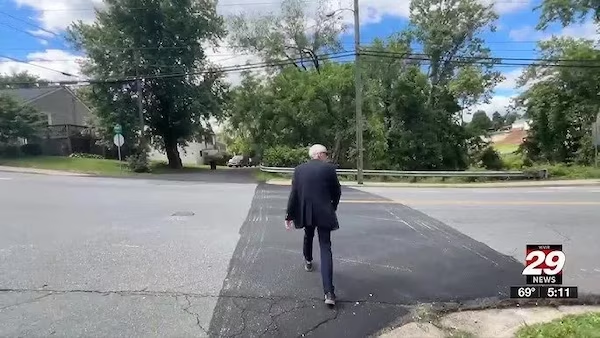
The latest fatality on a Charlottesville road was the last straw for Kevin Cox, but his efforts to make the area safer might land him twelve months of jailtime. What if cities saw actions like his not as crimes—but as calls for change?
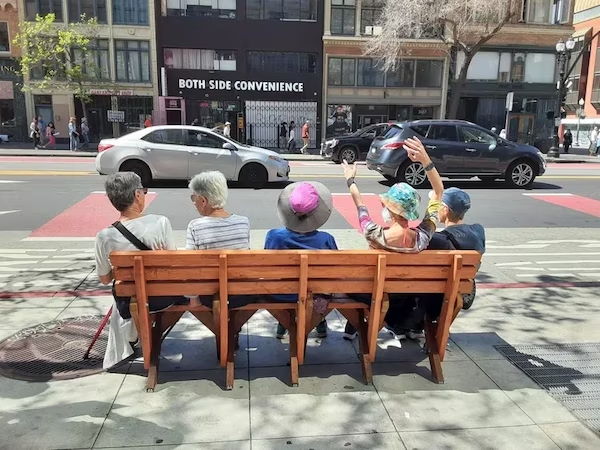
What began as a quiet act of care—building benches where none existed—just got the City of Richmond’s official blessing.

Washington just passed one of the strongest statewide parking reforms in the country—by rethinking not just the rules, but the way we talk about them.
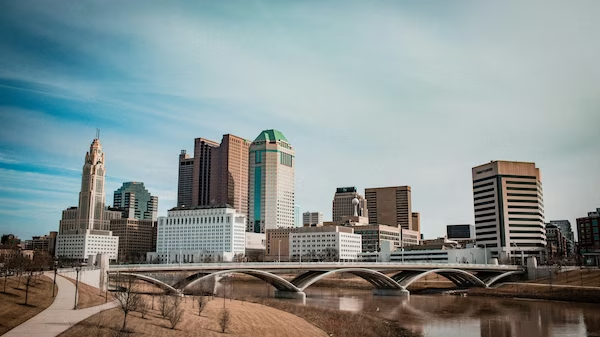
What happens when everyday people dig into a city’s balance sheet? In Columbus, it sparked a three-hour conversation—and maybe a shift in mindset.
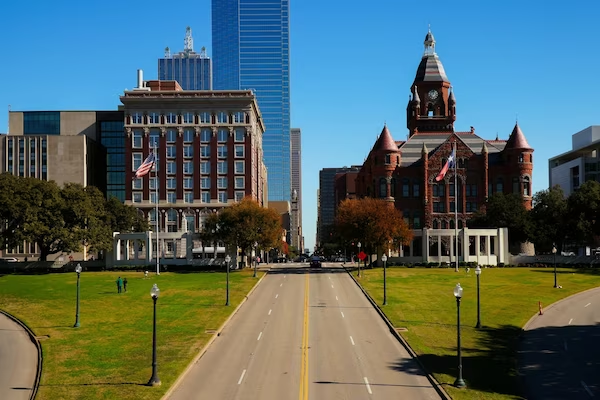
Relief for small businesses. A win for historic buildings. And room for more affordable housing. Dallas just scrapped a rule holding the city back since 1965.
.webp)
Pedestrian deaths dipped 2.6% in the first half of 2024 compared to 2023. But they're still higher than they were a decade ago. That tells us something isn't working.
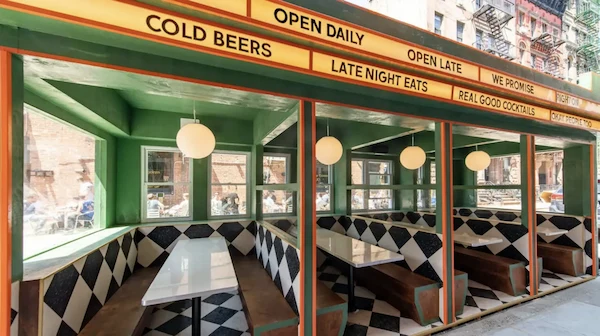
"I mean we can't have a structure. It's not a structure. It's a legally parked car. Just so happens people eat pizza in it."
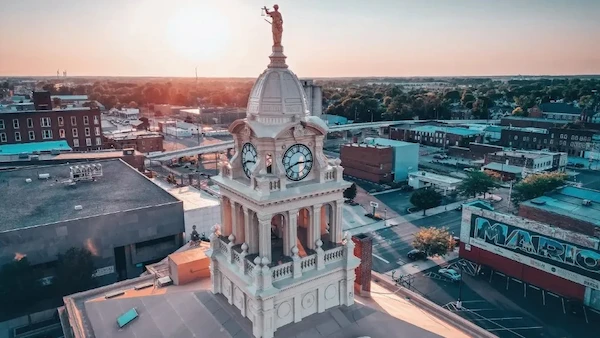
“The real story of Marion isn’t about decline—it’s about response.”

The Strongest Town Contest isn’t a pageant for towns that have “figured it out.” It's about the people and places that keep showing up.
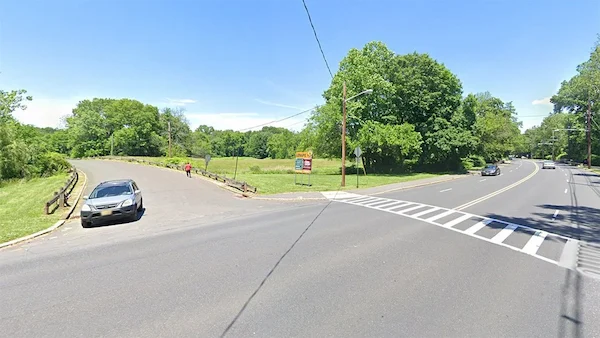
“It’s a highway running through our community and this...this is what happens.”