The Christmas Cookie Inflation Index

.webp)
%20(1).avif)
%20(1).avif)
%20(1).avif)
%20(1).avif)
This is the time of year I start my Christmas baking and, I’m happy to report, it is going well. Without travel impacting my schedule, I have been able to work ahead (a year ago I was in the two last weeks of the 12-week Strong America Tour). I have twenty-two boxes of sugary love I’m planning to deliver this year so there is no time to waste.
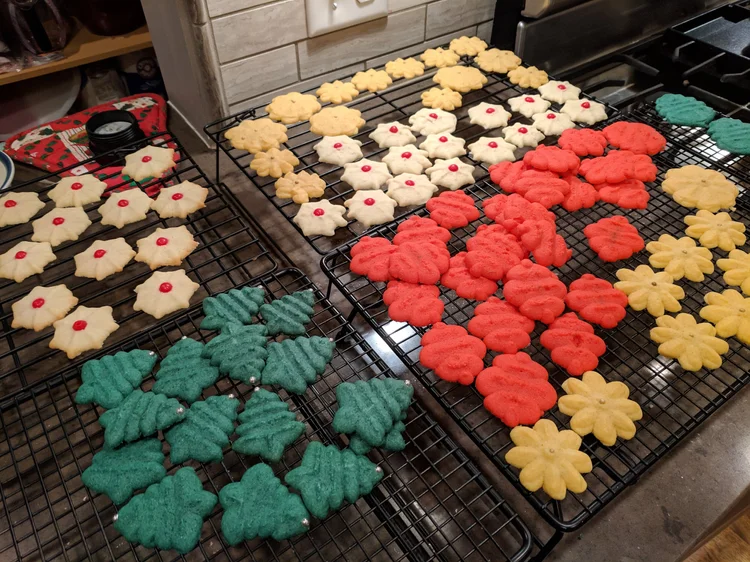
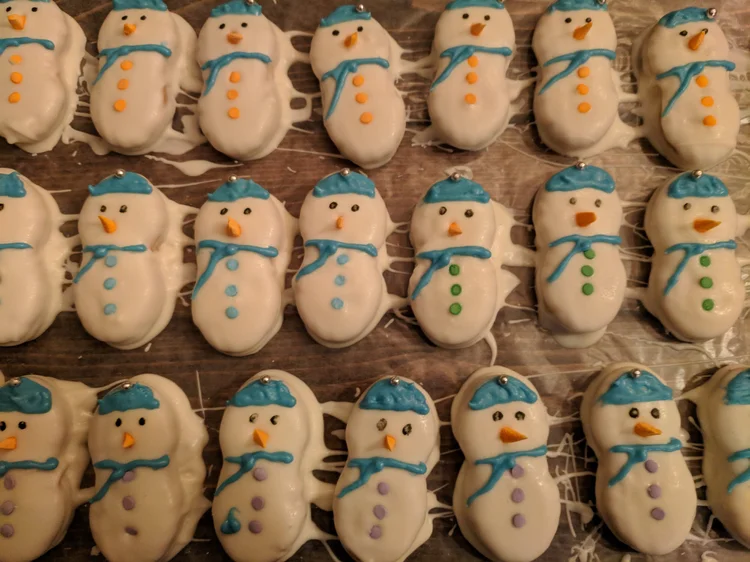

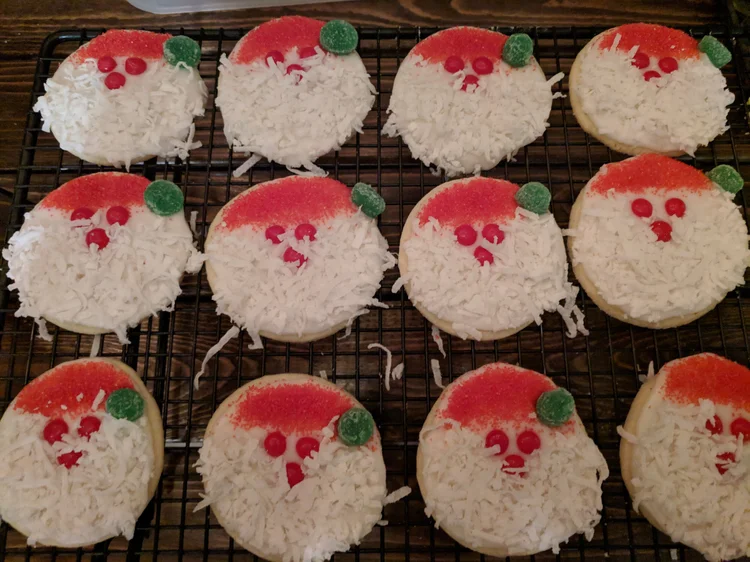
I’ve been baking cookies since the mid-1990’s. Both of my grandmothers—one Norwegian and one German—baked continually, but especially at Christmas time. As much as the music and the other traditions, the incredible selection of treats they produced, and the joy that accompanied them, are a large part of my Christmas memories. When they passed away, it was important to me that someone carry on that tradition. In their honor, I’ve been working to improve my baking skills, and share my creations, for more than two decades.

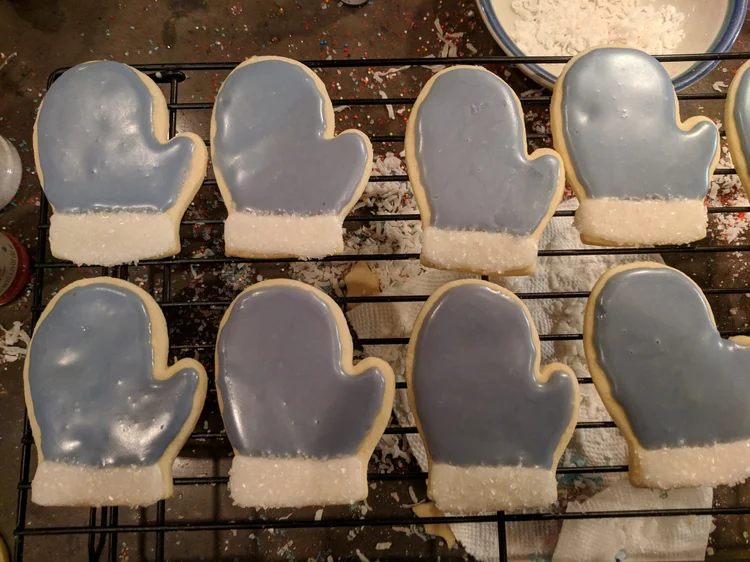
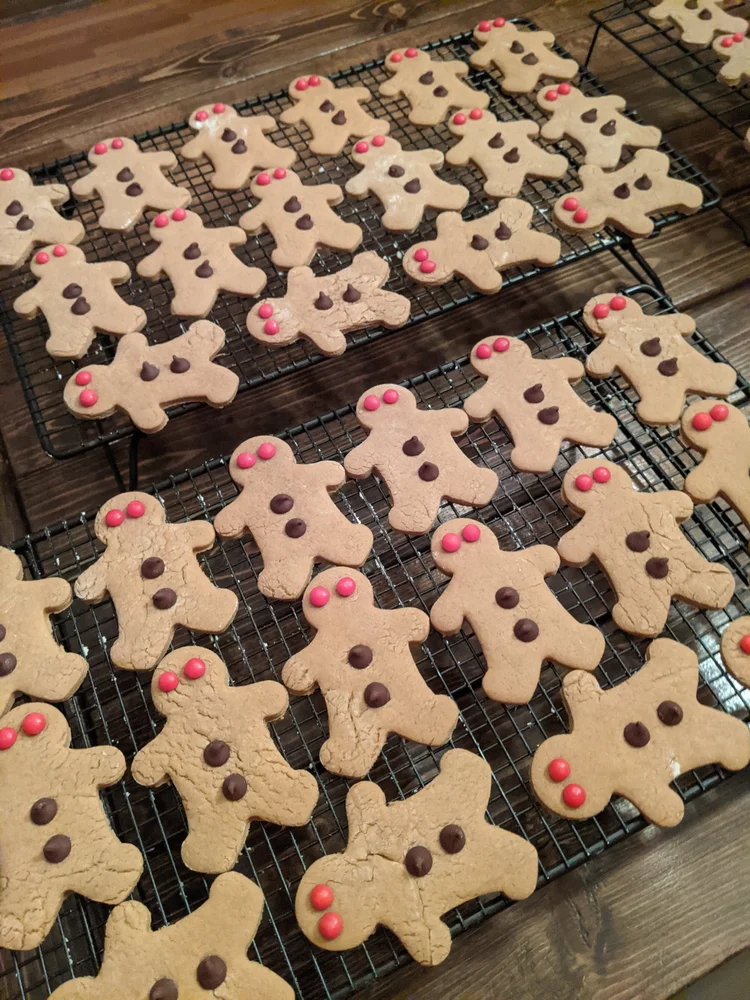
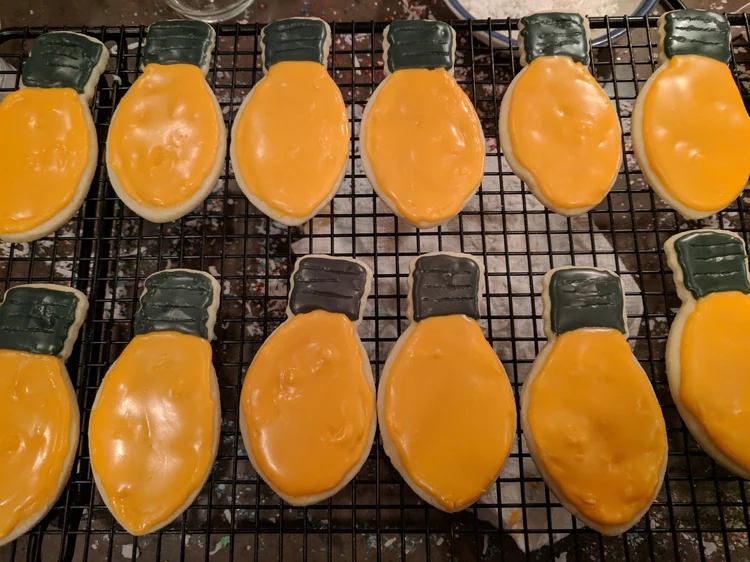

This involves the annual trip to the grocery store for baking supplies, a kind of bizarre kickoff event that has become a personal tradition (imagine a cart overflowing with sugars, chocolates, and the like). It has occurred to me on more than one occasion that the supplies are becoming more and more expensive, but it was always a sticker shock reaction without any data to support it.


Until now. I have long sensed that Americans are being gaslit about inflation, a topic I’ve raised that perpetually draws scorn and makes some of you categorize me alongside preppers and anti-vaxers. (FWIW, I’m a prudent prepper-lite and have all my shots, thank you). Think what you might, it does not seem to me to require a grand conspiracy to believe that our government, which benefits tremendously from underreporting inflation, may systematically favor approaches that understate inflation.
With that in mind, and as a way to verify my hunch, in 2019 I created a basket of goods from my annual baking list that I plan to track year-to-year. These are standard items my grandmothers would have used, so it is not like they are going to change in quality or quantity. There are no substitutions, weighting, or hedonic adjustments that apply (if you don’t know what that is, you should); just a standard basket of goods that gives an indication of how much more or less it costs to produce my Christmas cookies each year. I am not using sale prices, as my wife will attest.
Now I have two years of data and, while that is not in any way definitive—we need some more years to identify a real trend—the Christmas Cookie Index has risen 4.3% in the last year. This is compared to the official inflation rate of 1.2%.
Here’s the official basket of goods in the Christmas Cookie Index:
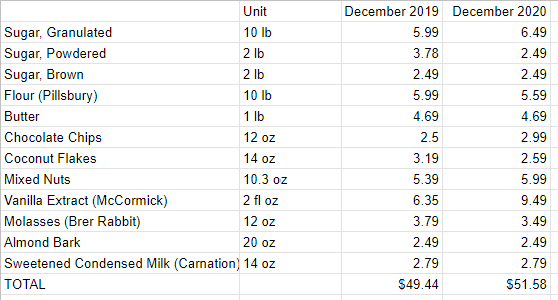
I’m not pretending the Christmas Cookie Index is some definitive form of inflation index that should be tracked and reported by the BLS, but I do think it may be instructive over time. We’ll see. Certainly, had I excluded vanilla extract from my list, the index would have been in deflation, but try baking this plate of cookies without vanilla.
If you are critical of this approach, or if you think I’m doing some great injustice to the pursuit of economics, I’m interested to hear your critique. In the meantime, I’m going to get back to work in the kitchen. There is lots of holiday cheer to spread.
Charles Marohn (known as “Chuck” to friends and colleagues) is the founder and president of Strong Towns and the bestselling author of “Escaping the Housing Trap: The Strong Towns Response to the Housing Crisis.” With decades of experience as a land use planner and civil engineer, Marohn is on a mission to help cities and towns become stronger and more prosperous. He spreads the Strong Towns message through in-person presentations, the Strong Towns Podcast, and his books and articles. In recognition of his efforts and impact, Planetizen named him one of the 15 Most Influential Urbanists of all time in 2017 and 2023.