Hello,
It's Member Week at Strong Towns and we're asking you to help support this movement. We'll be direct: Strong Towns is a nonprofit organization that depends on donations from generous readers like you in order to continue the work we're doing. That includes bringing you articles like the one you're about to read! We're a small team, and we're only able to do what we do with your help. Please consider donating whatever amount is meaningful for you. Thank you so much, and keep doing what you can to build a Strong Town.

4 Ways to Make the Economy Give Us the Cities We Want

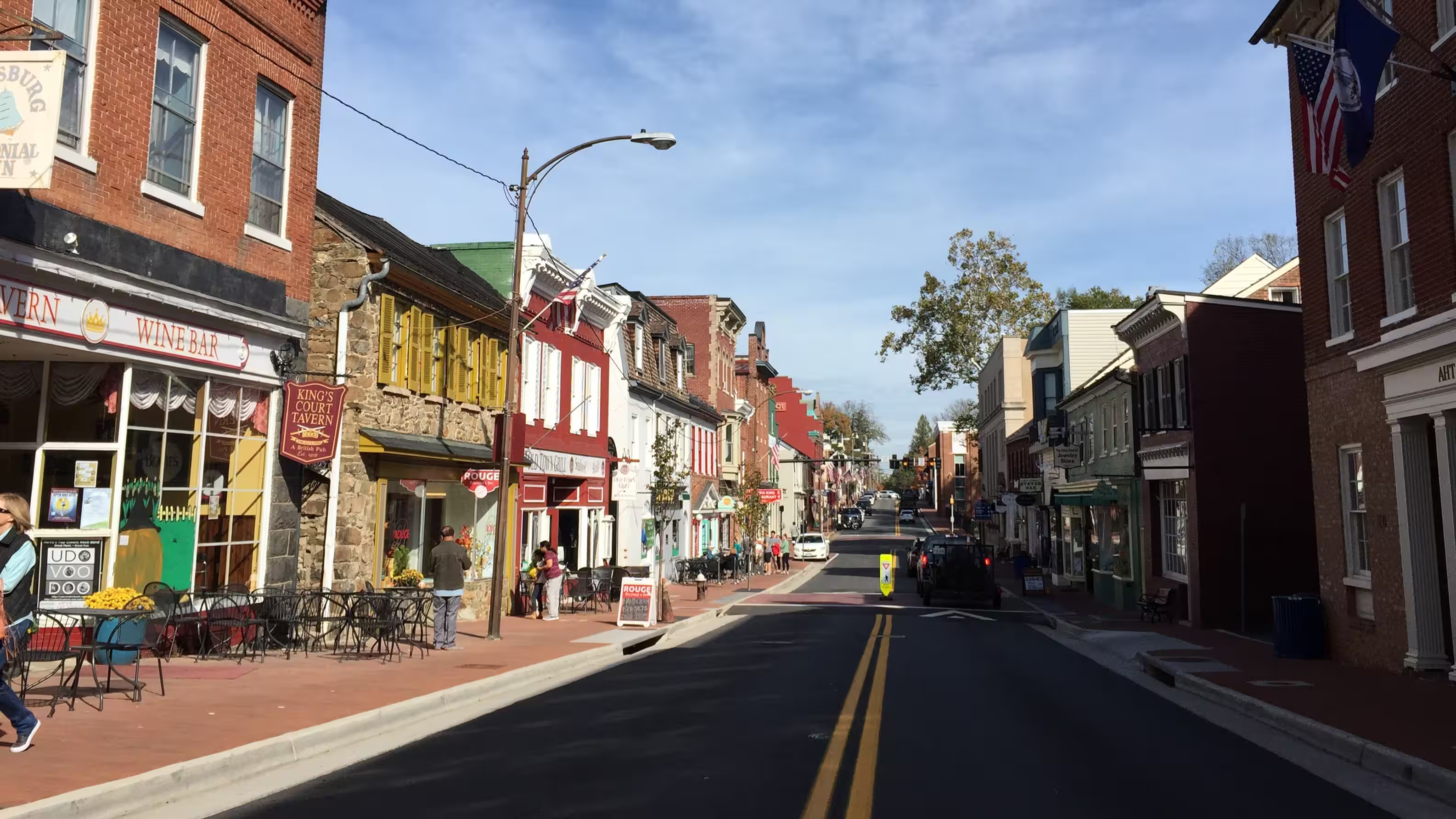
King Street, Leesburg, VA. (Source: Famartin, Wikipedia Commons)
Nearly every city wants to grow its economy to attract jobs and tax revenue. For many, that growth is also meant to help create the kind of community residents want to live in. Often, communities struggle to deliver this second goal.
Consider Loudoun County, Virginia. It is the richest county in the United States, with a median household income of $182,000. Its GDP, $37 billion, is comparable to some states.
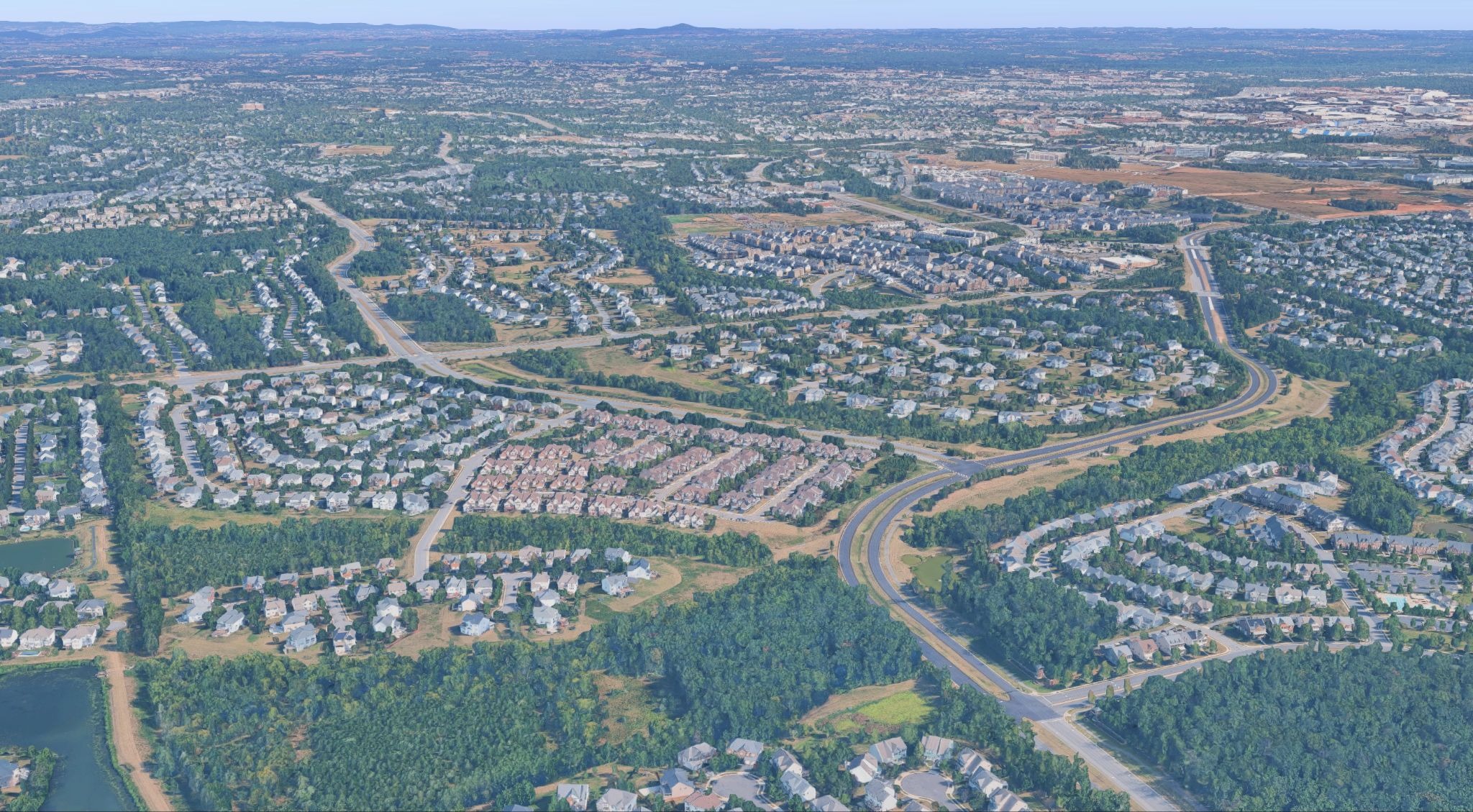
Residents appear to be happy with their homes. But when they leave home to eat, drink, or shop, something is missing. In most of the county, there is nowhere to hold a parade, nowhere to go window shopping, nothing to take photos of.
People spent $774 million at restaurants in Loudoun County in 2025. But if you search for restaurants in the area, you mostly find low-quality environments with empty asphalt and blank walls.
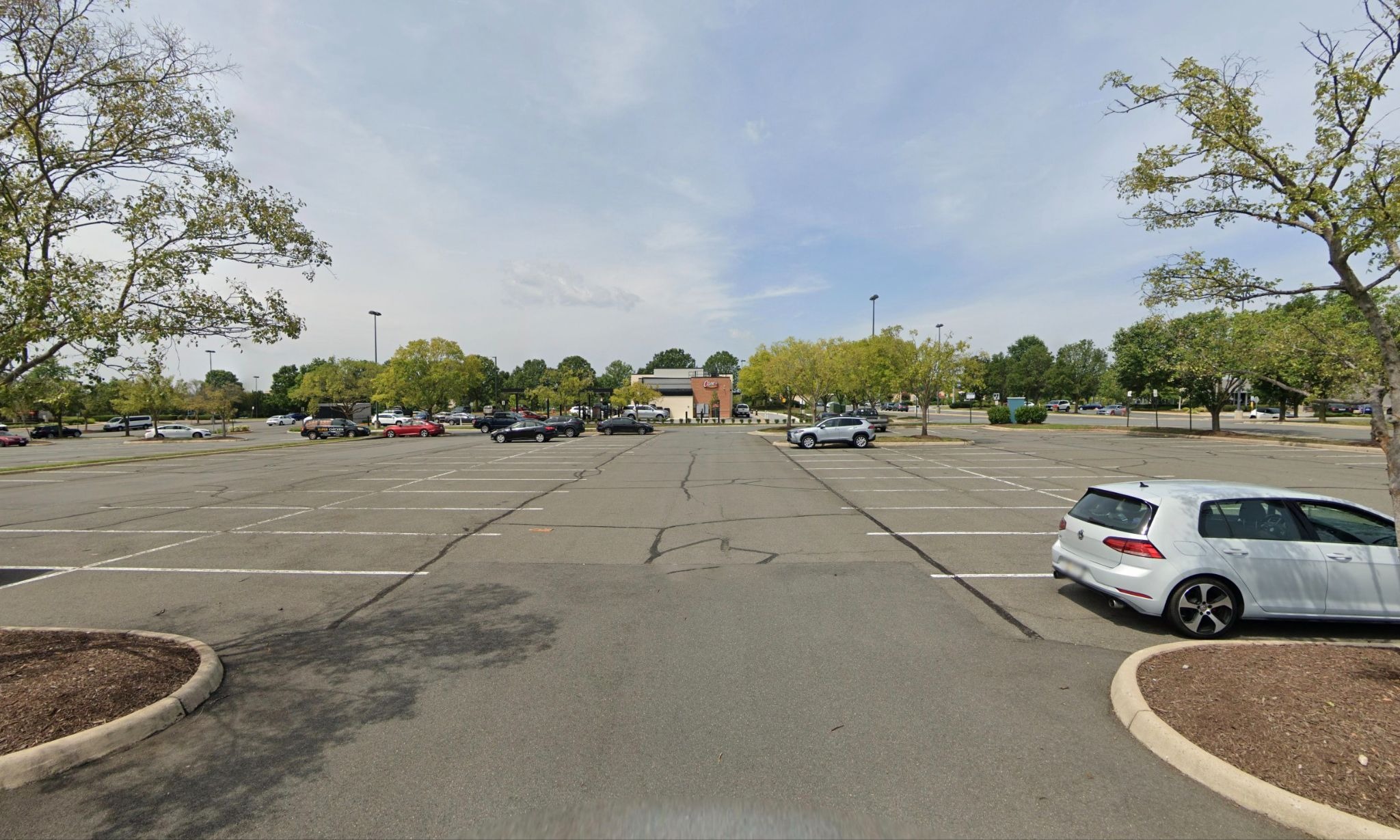
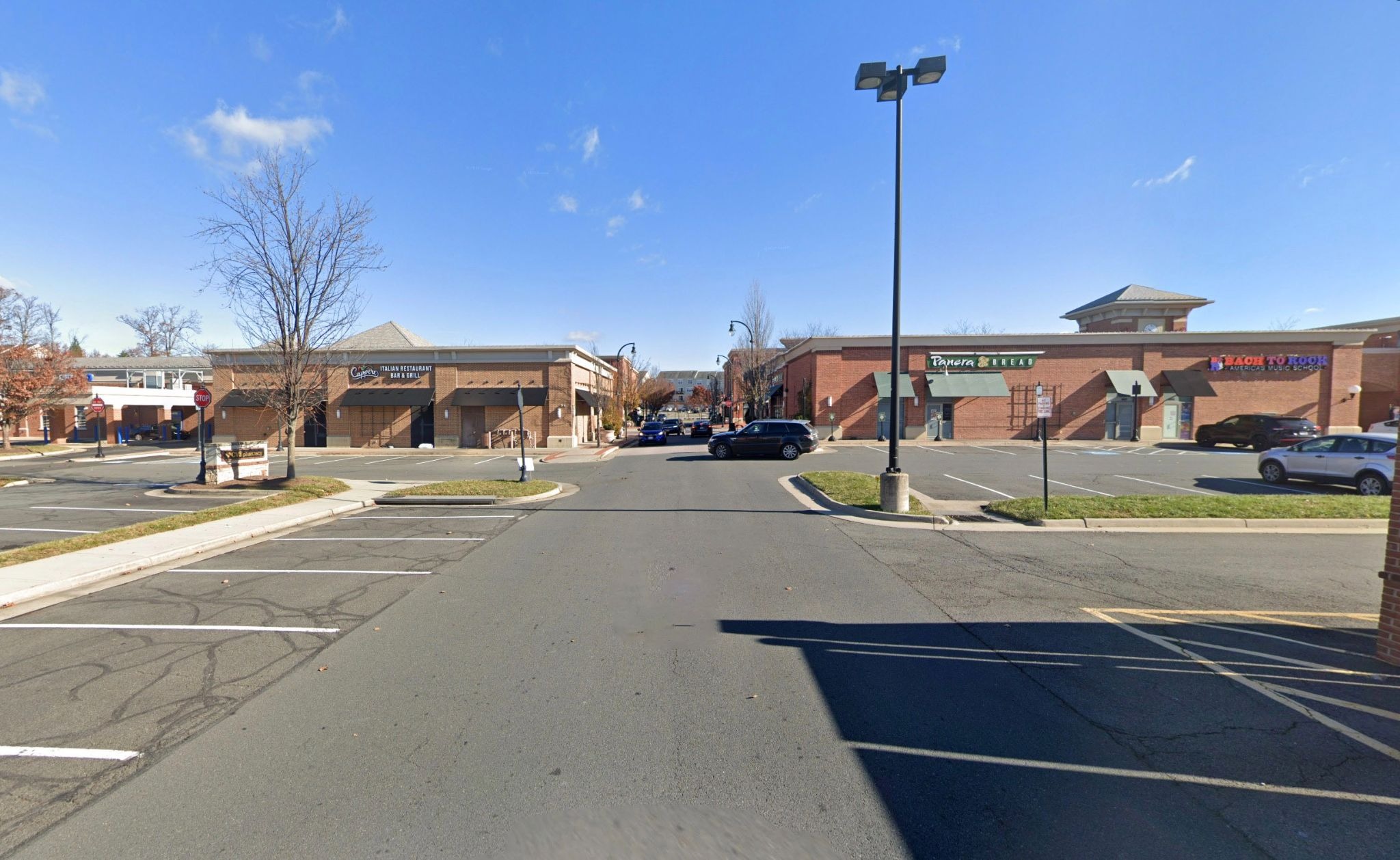
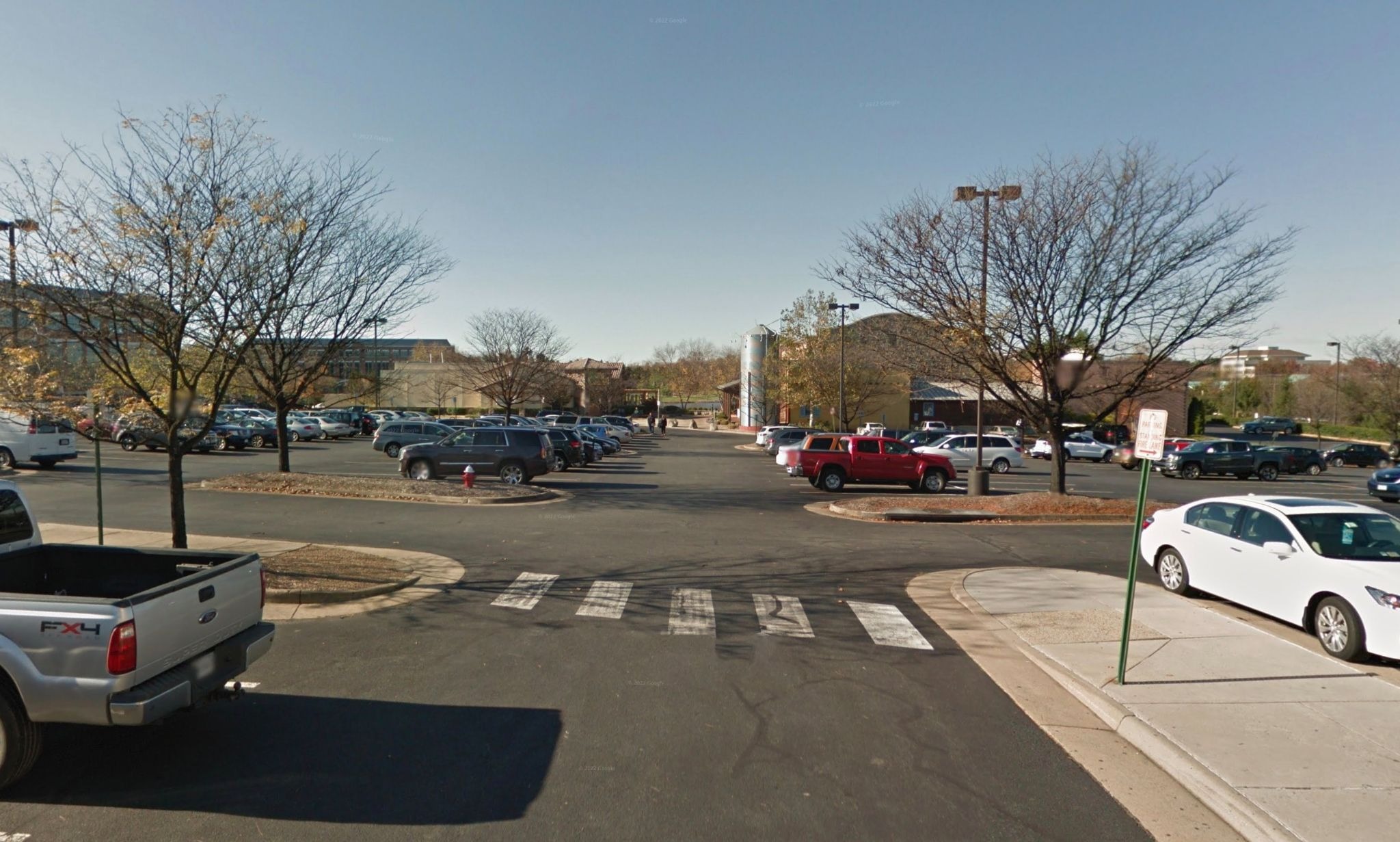
Hundreds of millions of dollars flow through these businesses yearly, but at no point does that translate into desirable streets worthy of community pride. Why?
The Hundred Million Dollar Question
To understand, I find it revealing to ask: “What happens every time people spend a hundred million dollars doing x?”
Every time GDP flows through a community, it doesn’t just leave it the way it was before. How people spend money shapes the businesses that open and what developers invest in. City leaders should ask themselves: when people spend money, is it bringing me closer to the community I want to have? Or further away?
When money is spent at big box stores — and, similarly, strip malls, regional malls, and other car-dependent retail — it does not lead to a high-quality public realm, for a few practical reasons:
- It is hard: Parking lots and large roads do not make for a desirable space to be in.
- It is unnecessary: Cars act like space shuttles, insulating customers from the hostile world outside.
- Ugliness pays: Big box stores, strip malls, and regional malls all benefit from low land values, because it allows them to create large interior spaces, and it reduces property taxes.
Car-dependent retail can be valuable, enabling large-format services like movie theaters, mini golf, bowling, Costco, and so on. But critics have complained that car-dependent places lead to a low-quality public realm since the very beginning, in the 1930s, and city leaders need to be clear eyed about how those insights continue to ring true to this day.
Moreover, when suburban businesses do try to invest in patios or picnic tables with little garden boxes in their parking lots, it's not quite enough, as such spaces do little to raise either customer satisfaction or land values.
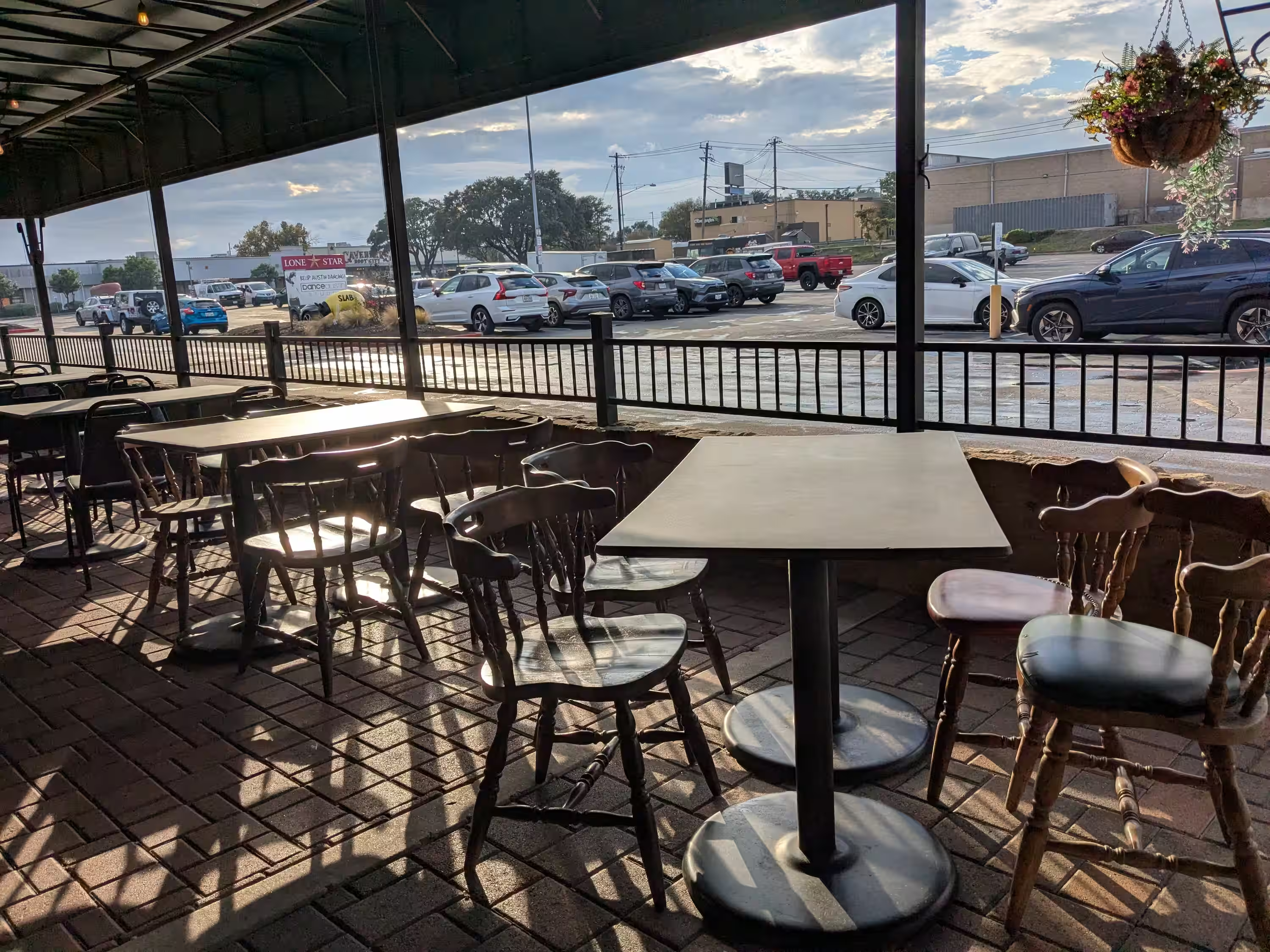
Loudoun County is already the richest in the country. It should be able to afford a high-quality public realm, and yet it can’t, because it would cost too much to knock down every building and parking lot and build beautiful streets.
Growth is not a pool of money you can later spend on a different kind of city. Growth is the city, accumulating, one building and financial transaction at a time. To create great places, the economy itself needs to create those great places during the process of growth. Every hundred million dollars spent needs to contribute to this goal.
A Mechanism for Producing Quality
Loudoun County is also home to the historic Town of Leesburg, which offers a very different economic model. The town’s events page shows it thronged with people multiple times a year.
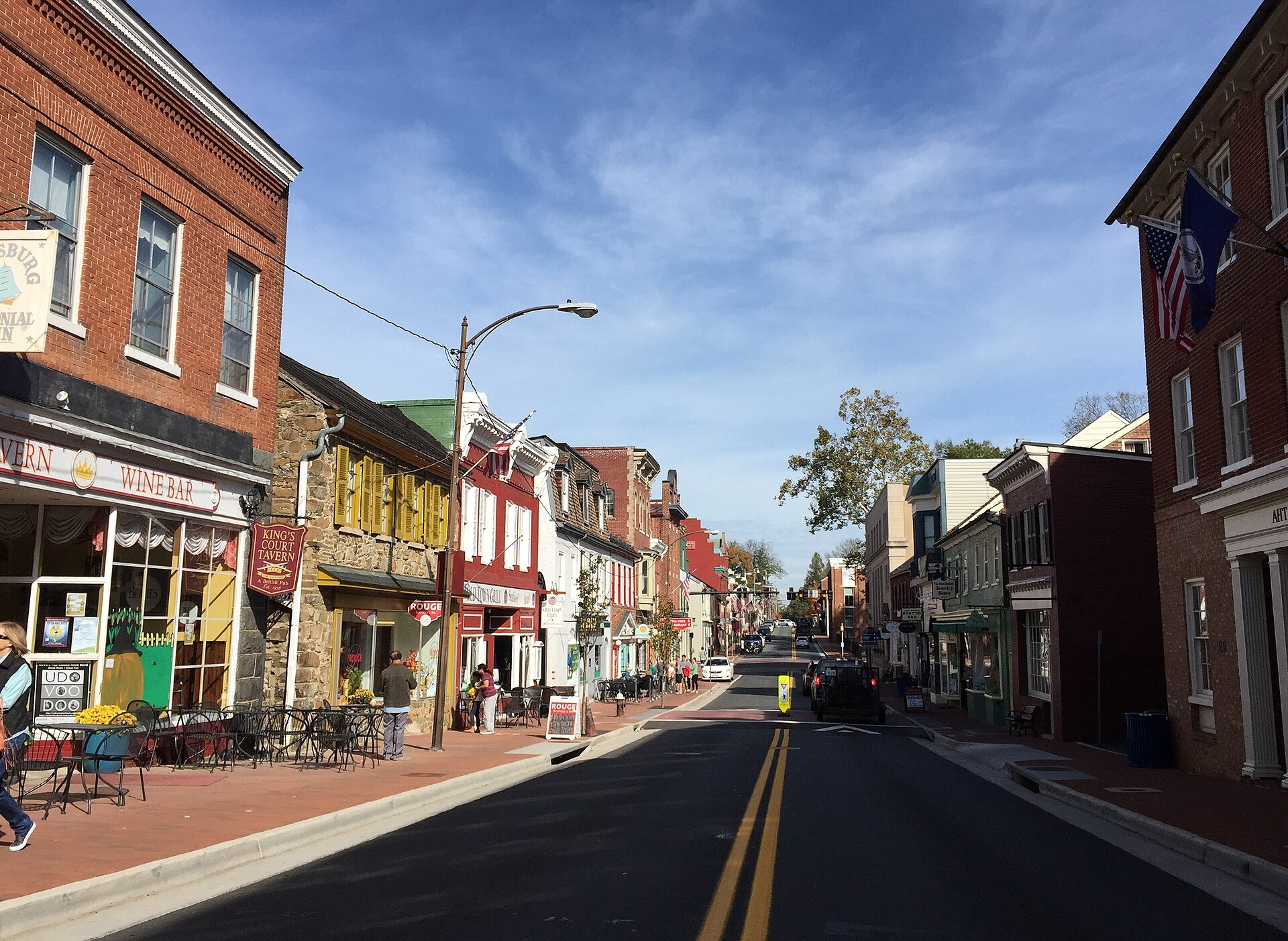
Businesses here invest in the streetscape with flower boxes, fresh paint, patios, window displays, and more. Developers are also investing. This year, two new buildings will contribute to the attractive streetscape and create retail spaces for businesses.
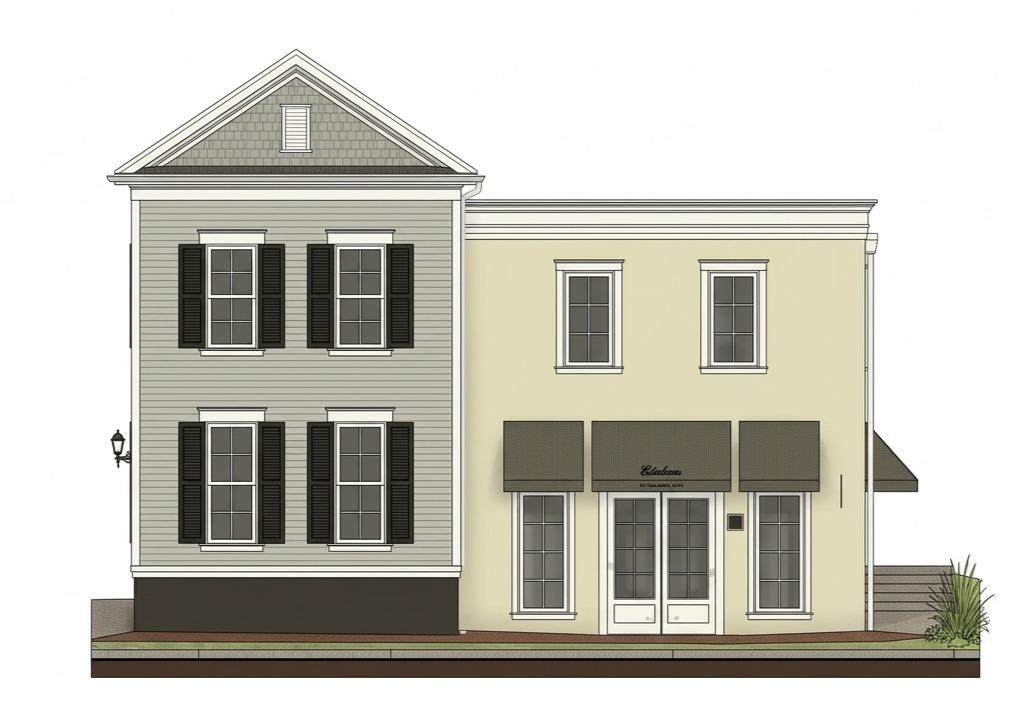
Why do private interests invest in the public realm here and not car-dependent places? The difference is not cars, given that many visitors arrive at Leesburg by driving.
Rather, the difference is how the street attracts people. The street cannot compete with big box stores by offering even more convenient parking or easy access from highways. It can, however, compete by being a place worth driving to — a place so worth driving to, people will be willing to navigate busy, narrow local streets, search for parking, and then walk.
By the same token, if businesses want to attract locals on foot, they need to create streets that are comfortable and attractive. Attracting both drivers and pedestrians means creating a street that acts as a destination worth travelling to: where people enjoy walking, lingering, socializing, eating, and spending time.
There are strong incentives for businesses and developers to investment in streetscapes in this context:
- It’s easy: When buildings face the sidewalk, not a parking lot, they can fit together to create a great public realm.
- It’s necessary: Businesses depend financially on people wanting to be there, and building owners depend on their retail tenants being successful.
- Beauty pays: Building owners can rent retail for more per square foot on desirable, attractive streets full of people — sometimes double that of commercial strips — which helps cover the cost of high-quality facades.
This creates a financial link between the selfish interests of businesses and the public’s interest in having a beautiful street. With every hundred million dollars spent, the place becomes a bit more worthwhile, because businesses and developers profit from it being worthwhile. This mechanism recycles a portion of spending into creating a higher quality place with every step of growth.
Four Lessons for Your City
Leesburg will spend a few million on street lights and sidewalks downtown over the next few years. The area’s GDP, meanwhile, is in the billions. If you want to create a worthwhile community, you need to direct the behemoth of private spending towards this goal.
Here are four ways to harness the economy to create great places:
- Support the competitive advantage of walkable places. Recognize that walkable places can never compete with big box stores based on parking or traffic speed, and focus on what they can offer. Do not widen roads or require parking. Do invest in streetscapes and placemaking. (Read this report I wrote with Happy Cities and Mobycon for ideas on how to meet the needs of cars without undermining walkable places.)
- Use public spending to shift private spending. The biggest category of government spending is salaries. Locate all new government buildings in walkable places, so that a greater share of government salaries will be recycled into high-quality places. Do not line those buildings with blank walls and parking lots, or else they will undercut the very walkable streets they are meant to support.
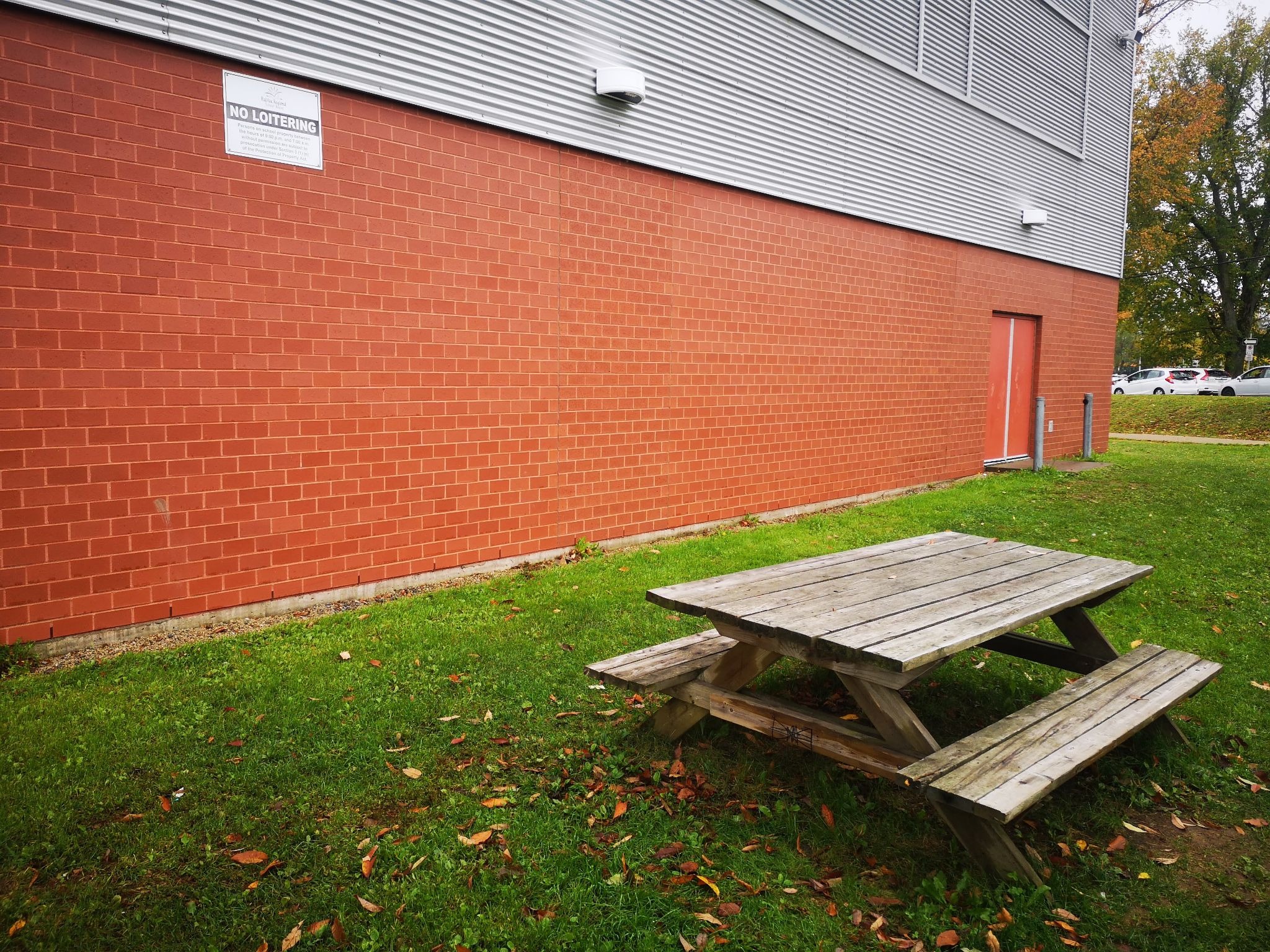
- Shift overall growth. If a greater share of future retail, office, and residential growth is in walkable places, this directs a greater share of economic spending into a machine for building high-quality places. Aim to reserve car-dependent growth for land uses that need to be car dependent, like manufacturing, warehouses, data centers, ports, and airports. This will also help preserve road space for these industries.
- Create new walkable places. Lansdowne Town Center is an example of a new, walkable community in suburban Loudoun County, and it is bustling. Businesses face the sidewalk, not parking lots, which means their success depends on street life. This financial mechanism ensures that prosperity there will translate into better streets over time.
If we want cities with beautiful streets, we must design an economy that profits from building them.
Tristan Cleveland is a community designer and urban columnist. He leads Happy Cities’ Healthy Communities research and speaks about their work around the world. Cleveland completed his PhD at Dalhousie University’s Healthy Populations Institute, where his research focused on finding solutions to operationalize healthy communities. You can connect with Tristan on Twitter at @LUrbaniste.