TV’s Great Suburban Lie

When I was a teenager, I longed for the community I saw on TV. I sat at home, stuck without a driver’s license, and jealously watched characters who were my age walk around town getting into all sorts of character-building plot development with just their own two feet. They lived in towns small enough to walk across, but inexplicably big enough for big suburban houses and private yards, right next to the woods, with a historic main street and a highway just around the corner. They were always out with friends, always passing neighbors on the sidewalk, always at big community events, and then they’d go home to three-story houses on private lots.
These fictional lives made my reality pale in comparison, and they sold the concept of suburban, small-town Americana. They played into the ideal of the American suburb: close to the city and to nature; a huge house, yet still affordable even for a single income; a private yard and plenty of space to roam, but never isolated from neighbors; community when you want and privacy when you don’t; amenities and space and everything you might need. If only you buy into the suburb, you can live a life without compromise. You can have the best of both worlds!
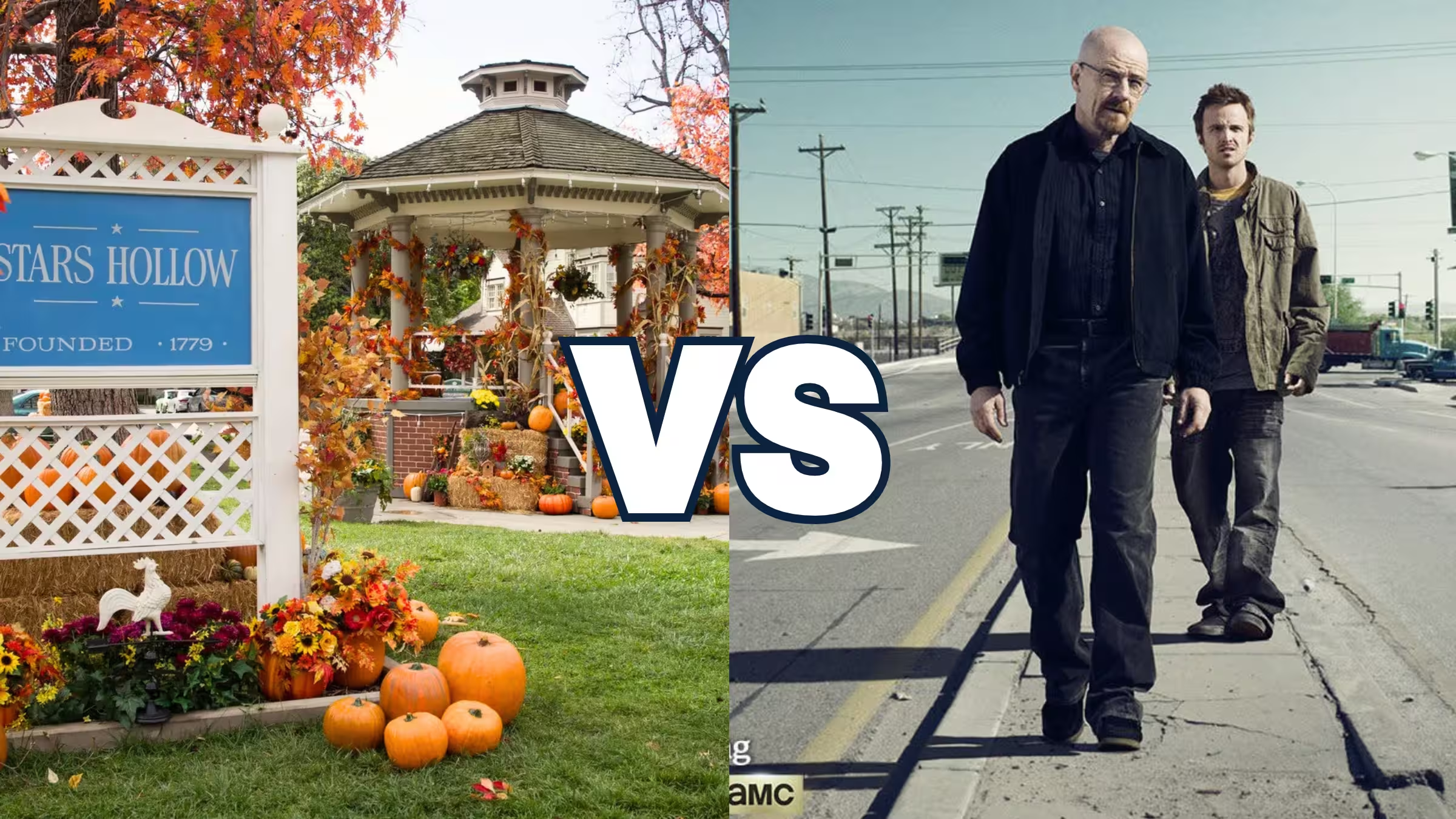
TV shows like "Gilmore Girls" show us places like Stars Hollow: a tight-knit, small town with community events, local businesses, safe sidewalks, eyes on the street, a town square where everyone passes by everyone else every day. And minutes away, our main characters live in a sprawling suburban lot in a huge house they can afford on a single income. You can walk anywhere in town within minutes, but still have the space and privacy that comes with a big house and a big yard.
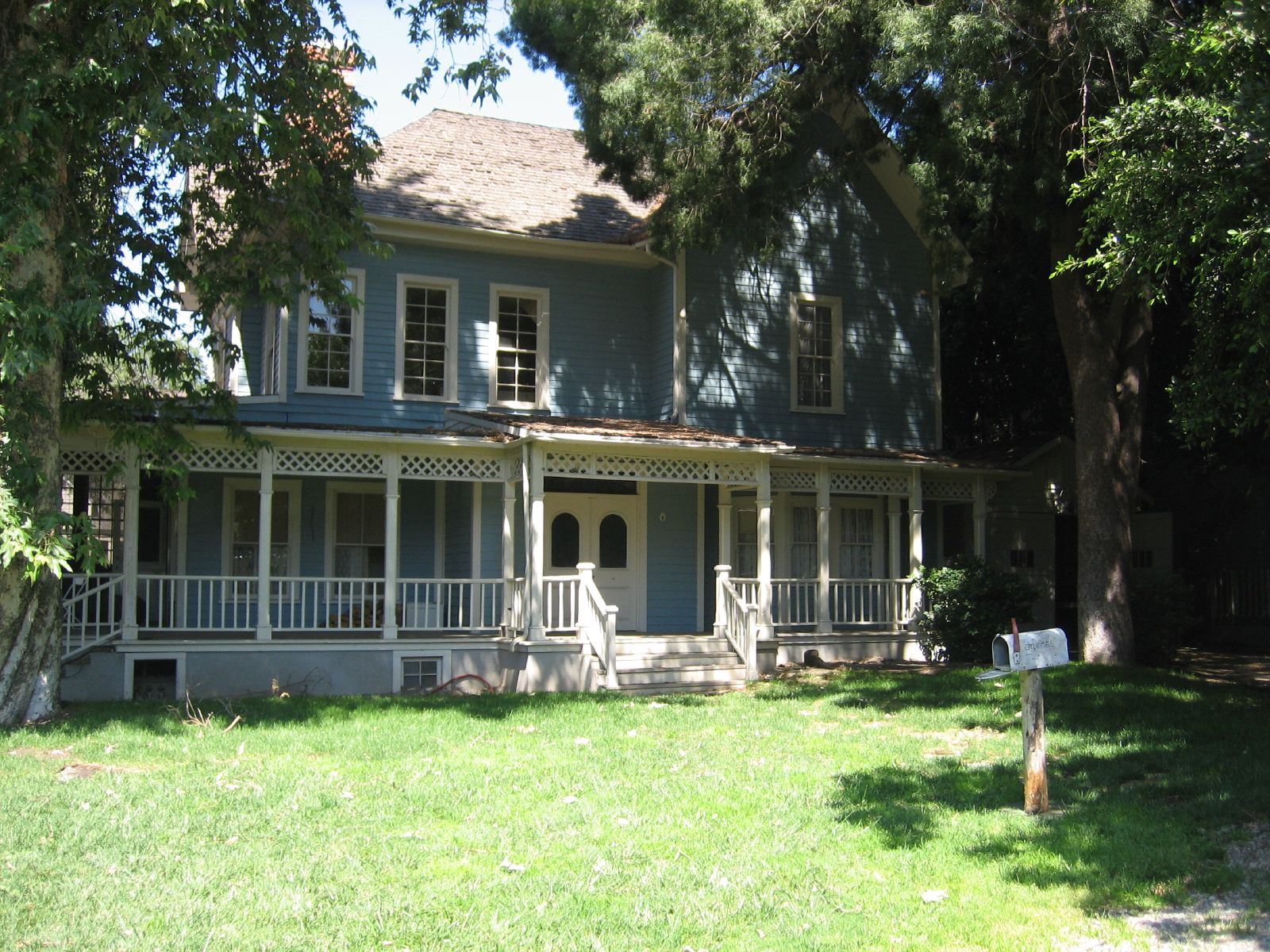
"The Vampire Diaries" and "Pretty Little Liars" bring teenage viewers into this nonexistent suburban ideal. The female teenage protagonists live in classically suburban four-bedroom houses on 10,000- to 20,000-square-foot lots. They can (and do) walk anywhere they choose, only using cars every once in a while for a plot point. They can walk out of school and pop by the cafe around the corner, then walk to a friend’s house, then walk home to get ready for one of the seemingly weekly community parties where everyone can dress up and equally participate. They're portrayed as independent, free to go where they chose, trusted to take care of themselves, but always home at the end of the day in a house seemingly both far out of town and only minutes away on foot.
In contrast to fictional media perpetuating the suburban lie, the TV show "Breaking Bad" and thriller movies like "Don’t Worry Darling," "See No Evil," and "Companion" explore the broken promise of the suburbs. "Breaking Bad" uses familiarity with the routine of suburban daily life to subvert our expectations for our characters. We expect ordinary and unremarkable life to match with ordinary suburban living, and our characters’ drug dealing and violence stand out against this backdrop. Thriller and horror movies play on the isolation that suburbs induce. Our characters, at the beginning of the aforementioned movies, live a picture-perfect life in a picture-perfect house, only to realize that the house has in fact separated them from any support system and isolated them from the rest of the world. The postcard paradise becomes a remote kill location from which they must escape — most often, by finding access to a car because safety is too far away to reach on foot.
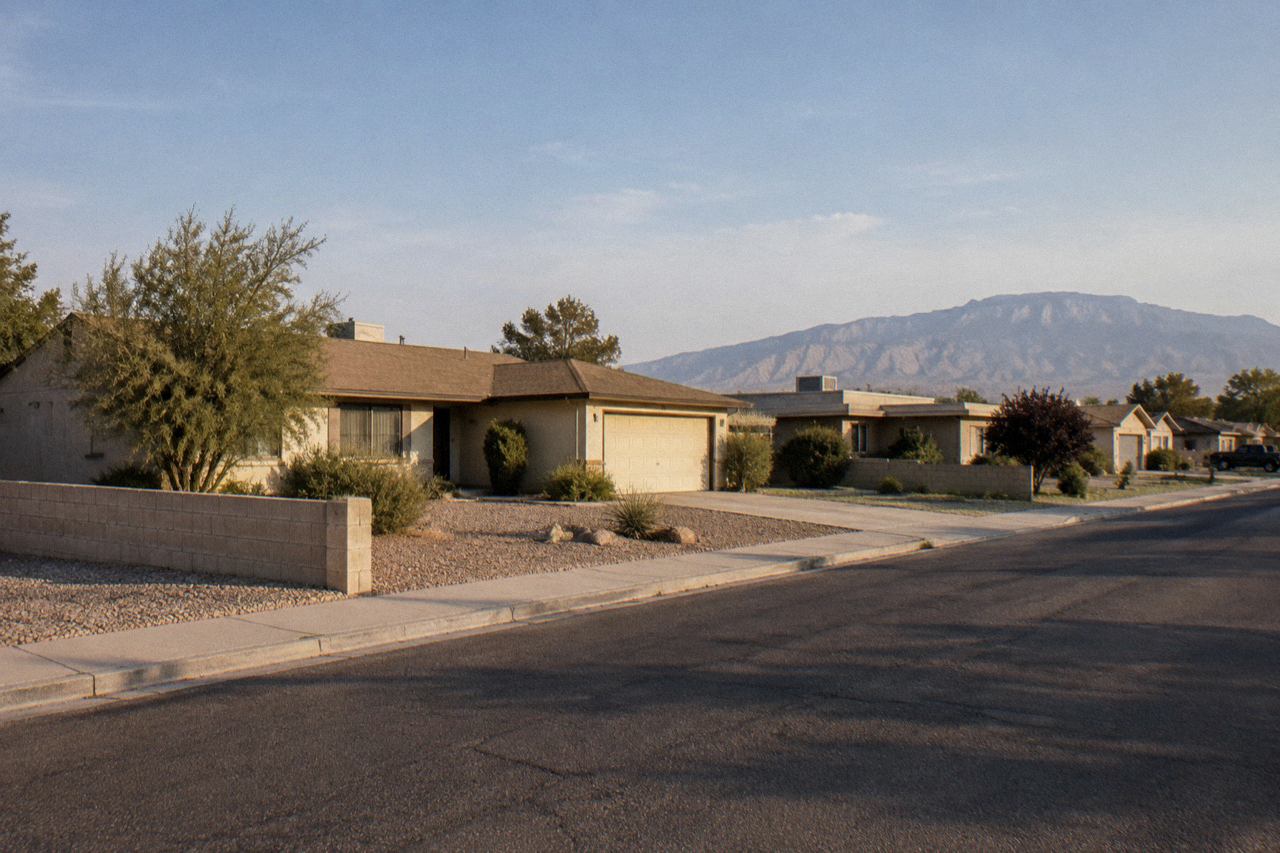

These are perhaps the more honest depictions of the suburbs that we see in media, albeit hyperbolic. Strong Towns’ work helps us understand that while the suburbs may sell us the best of both worlds, the reality of living in them is more accurately the worst of both worlds. Suburbs are a residential stroad — they are too far away to experience the benefits of city living, and too developed to experience rural living. They lead to car dependency, to isolation, to time and money and energy spent on commuting rather than community. They are a lie we buy into, only to find ourselves later stuck in debt in a house we can’t move out of.
This fall, as I rewatch "The Vampire Diaries" so many years later, I am reminding myself to think critically about the way Mystic Falls, Virginia, is being portrayed to me and the impossible way it marries historic small-town Americana and idealized suburban development. I try to remind my teenage self that I could not, at Elena Gilbert’s age, walk myself to every destination in town in a matter of minutes and still come home to a sprawling single-family home, somehow adjacent both to the untouched woods and to Main Street. And there are no vampires lurking around the corner or werewolves in the high school. It is, after all, fiction.
Addie Walker (she/her) is the Public Health Research Lead at Black + Motal Architecture and Urban Design, where she works to support safe, equitable, and sustainable planning and transportation design. She works frequently with local nonprofits and has been a supporter of Strong Towns for many years. Addie lives in her hometown of Austin, Texas, with her fiancée D (they/them) and their rescue dog Sadie.