
Development Support
Who Will Build It?
4 support structures to allow more people to become small-scale developers and builders.
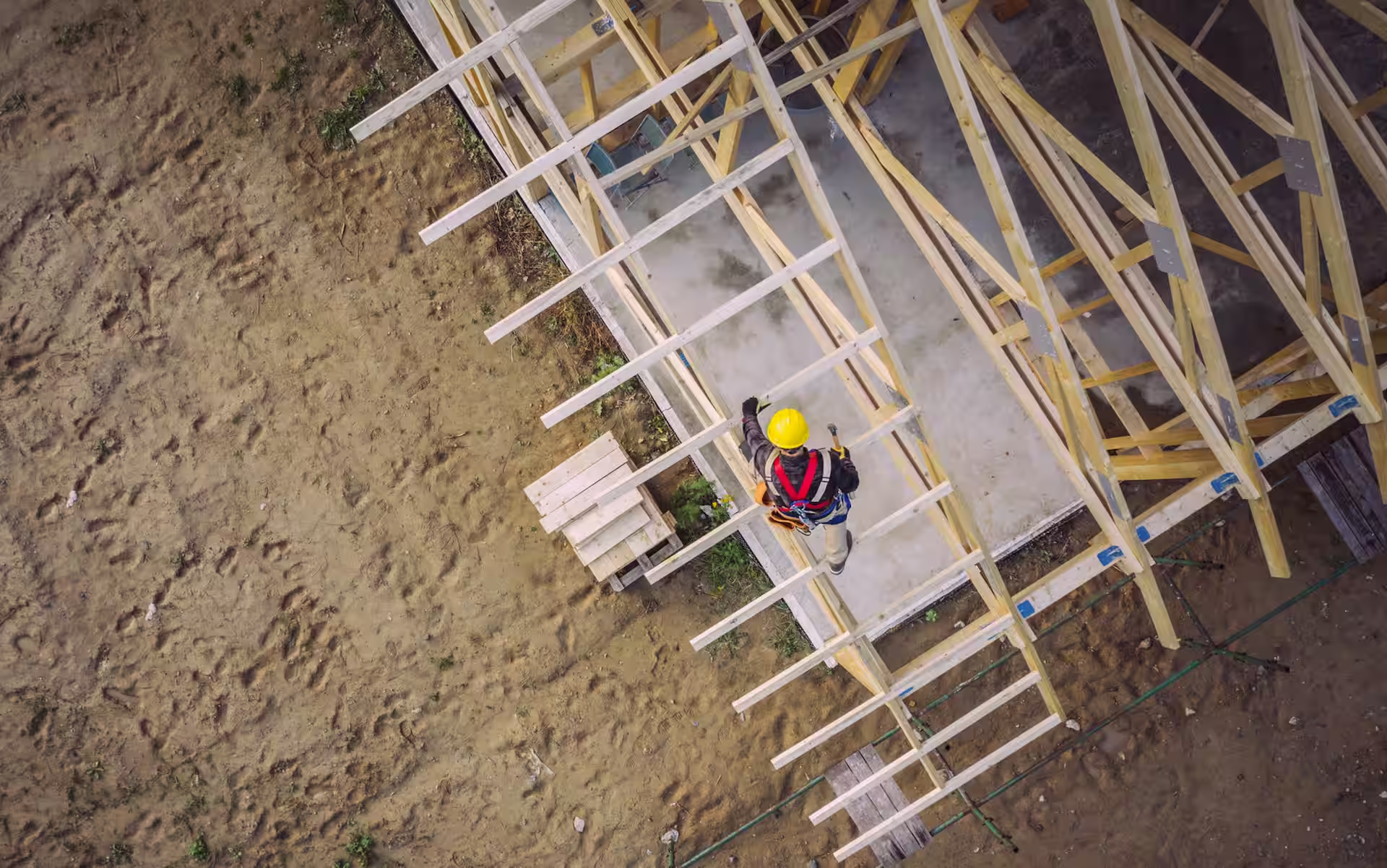
Why Establish These Support Structures?
Every community has potential neighborhood builders sitting on the sidelines. They may be contractors, architects, property owners, or residents who see opportunities in vacant lots, oversized homes, or aging buildings. The challenge is not to recruit developers from elsewhere, but to help local people act on these opportunities.
Legalizing incremental housing is an essential first step, but confusing approval processes, inconsistent requirements, and unpredictable regulatory risks can still discourage willing builders from pursuing modest projects.
Many of these barriers can be addressed without large subsidies or expensive programs. What neighborhood builders need most is clarity, proportionality, connection, and a local culture that encourages viable projects to succeed.
Support Structure 1
Clarity: Make the Path Legible
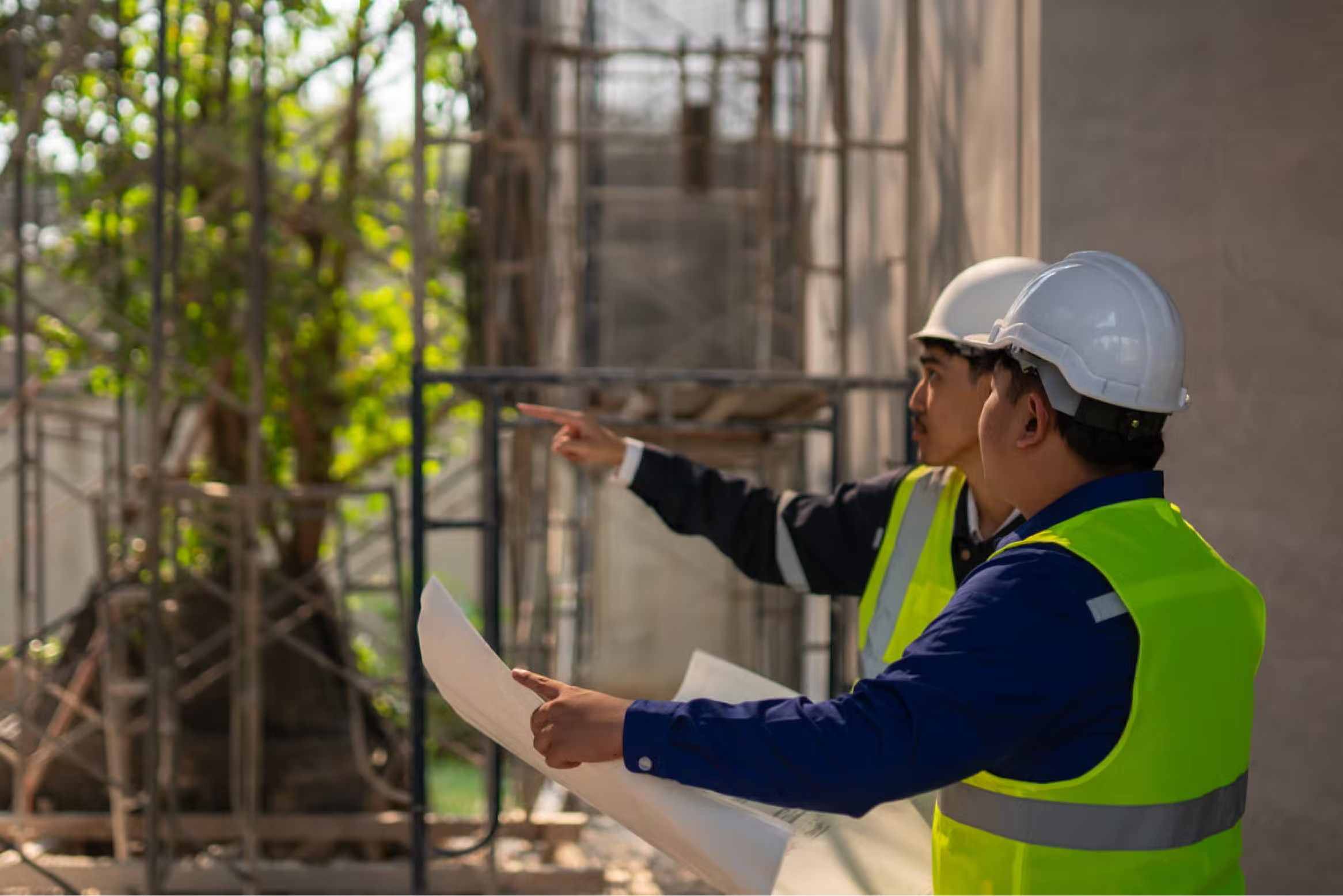
Legalizing small-scale housing does not necessarily make it easy to build. Homeowners and first-time builders may struggle to understand where to start, what approvals are needed, how utilities will connect, or what the process will cost.
Cities should make the development process clear and accessible through plain-language guides, simple checklists, and process maps for common projects. Requirements, fees, and timelines should be understandable before someone invests in designing a project.
The goal is to remove uncertainty and help neighborhood builders confidently navigate the process of turning a legal housing opportunity into a completed project.
Support Structure 2
Proportionality: Match the Process to the Project
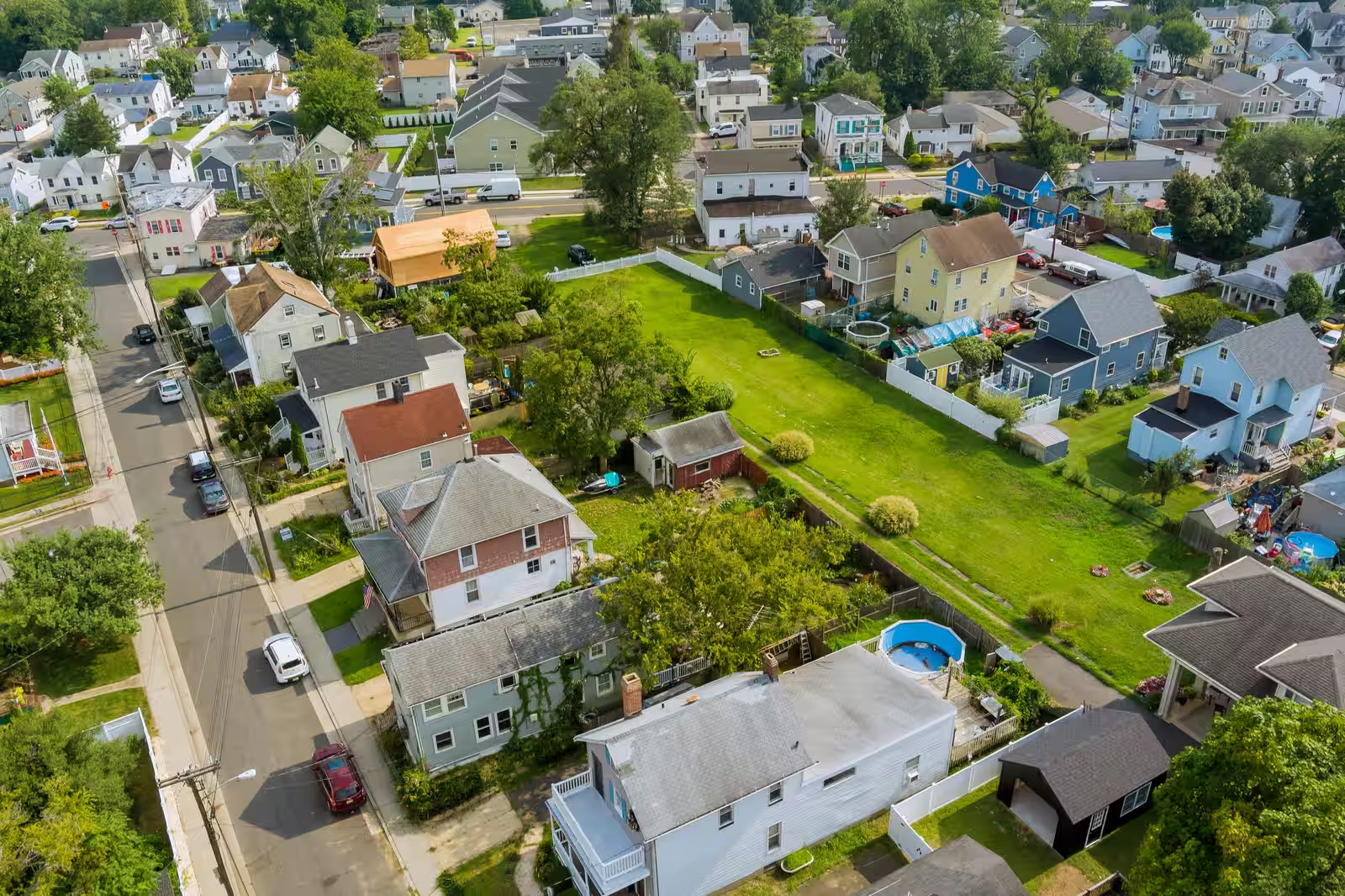
Small-scale housing projects should not face the same regulatory processes as major developments. A backyard cottage, duplex conversion, or modest starter home should not trigger extensive reviews or studies intended for projects with much larger impacts. Proportionality means matching requirements to the scale of a project without compromising health and safety standards.
Cities should establish simple, predictable approval processes for by-right housing projects. Reviews should be timely, departments should coordinate their requirements, and applicants should not face unexpected changes or unnecessary delays.
The goal is to keep the simple stuff simple by reducing regulatory costs, complexity, and uncertainty so that modest housing projects can move forward without disproportionate administrative burdens.
Support Structure 3
Connection: Help People Learn From One Another
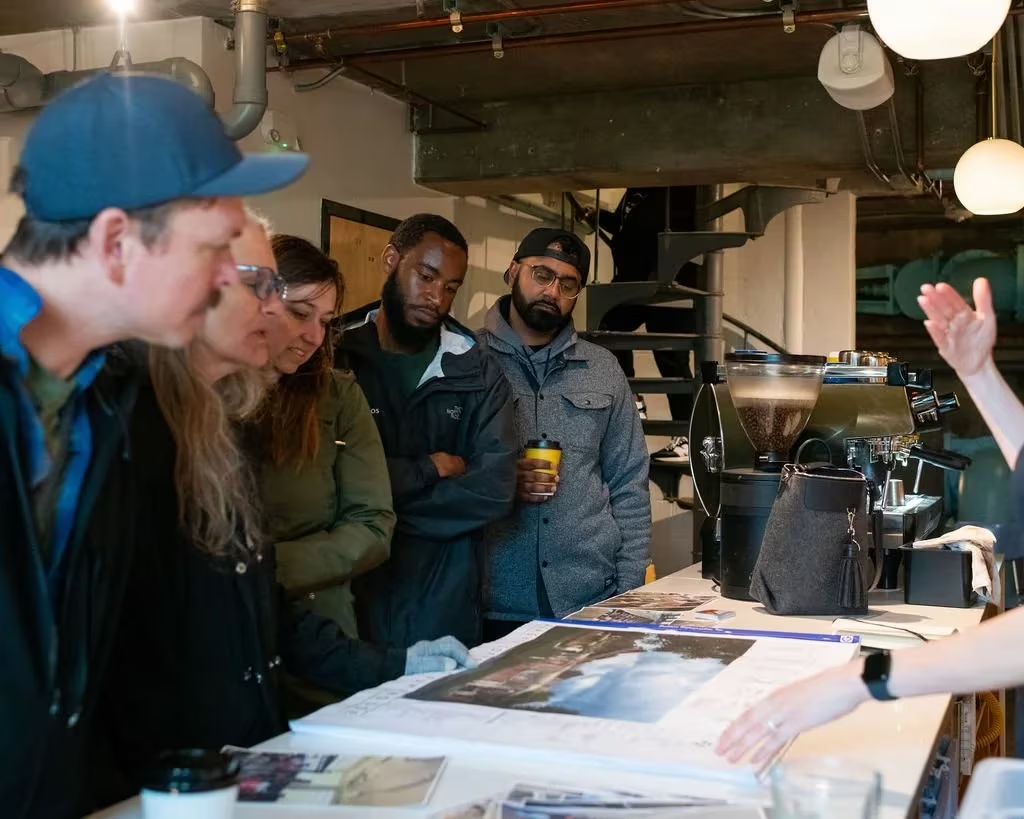
First-time neighborhood builders often face practical questions about finding contractors, securing financing, estimating costs, and navigating unfamiliar challenges. Without access to experienced people, even modest housing projects can feel difficult to undertake.
Cities can help by connecting aspiring builders with experienced local developers, contractors, lenders, and other practitioners who can share knowledge and practical advice. Developer meetups, office hours, peer mentoring, and introductory workshops can make these connections easier to establish.
The goal is to build a local network of neighborhood builders who can learn from one another, share resources, and gain the confidence to take on small-scale housing projects.
Support Structure 4
Culture: Make It Clear That You Want Them To Succeed

Neighborhood builders need to know that their city sees them as partners, not obstacles. For first-time builders taking on significant personal risk, confusing processes, lengthy delays, or adversarial experiences can discourage them from pursuing future projects.
Cities should foster a supportive culture by providing fair, consistent approval processes and empowering staff to help applicants meet legitimate standards. City leadership and departments should work toward shared goals, solve problems collaboratively, and recognize successful small-scale projects.
The goal is not to guarantee approval for every project, but to make it clear through everyday interactions that the city wants viable neighborhood housing projects to succeed.