
Regulatory Reform
What Can Be Built?
5 reforms to allow neighborhoods to evolve through small-scale, incremental housing development.
Why Adopt These Reforms?
Entry-level housing should be easy to build. A spare-bedroom conversion or modest starter home does not carry the same public risks as a major development project. Yet cities routinely apply rules and review processes designed for much larger or more consequential projects to these smaller forms of housing, making them expensive, uncertain, or impossible to produce.
The reforms here aim to make entry-level housing legal and feasible. Most of that work begins with the code: what kinds of homes are allowed, where they can be built, and whether they can proceed without a special exception.
The standard should be simple: if a project is a modest increment that allows a neighborhood to take the next step in its evolution, the rules should allow it without unnecessary regulatory friction.
Reform 1
Allow Home Conversions by Right

An existing home can often accommodate more than one household with relatively minor changes. Converting unused space into a small independent rental unit can provide much-needed housing while helping homeowners offset rising property taxes, insurance, and maintenance costs. Done well, these conversions can be nearly imperceptible from the street.
Cities should allow single-family homes to be converted into duplexes or triplexes by right wherever single-family homes are permitted. Water and sewer requirements, fire standards, parking rules, fees, and other regulations should reflect the actual scale and impact of these conversions rather than treating them as major development projects.
The goal is simple: make it straightforward for existing homes to safely adapt to serve more households without imposing unnecessary regulatory barriers.
Reform 2
Permit Backyard Cottages in Residential Neighborhoods

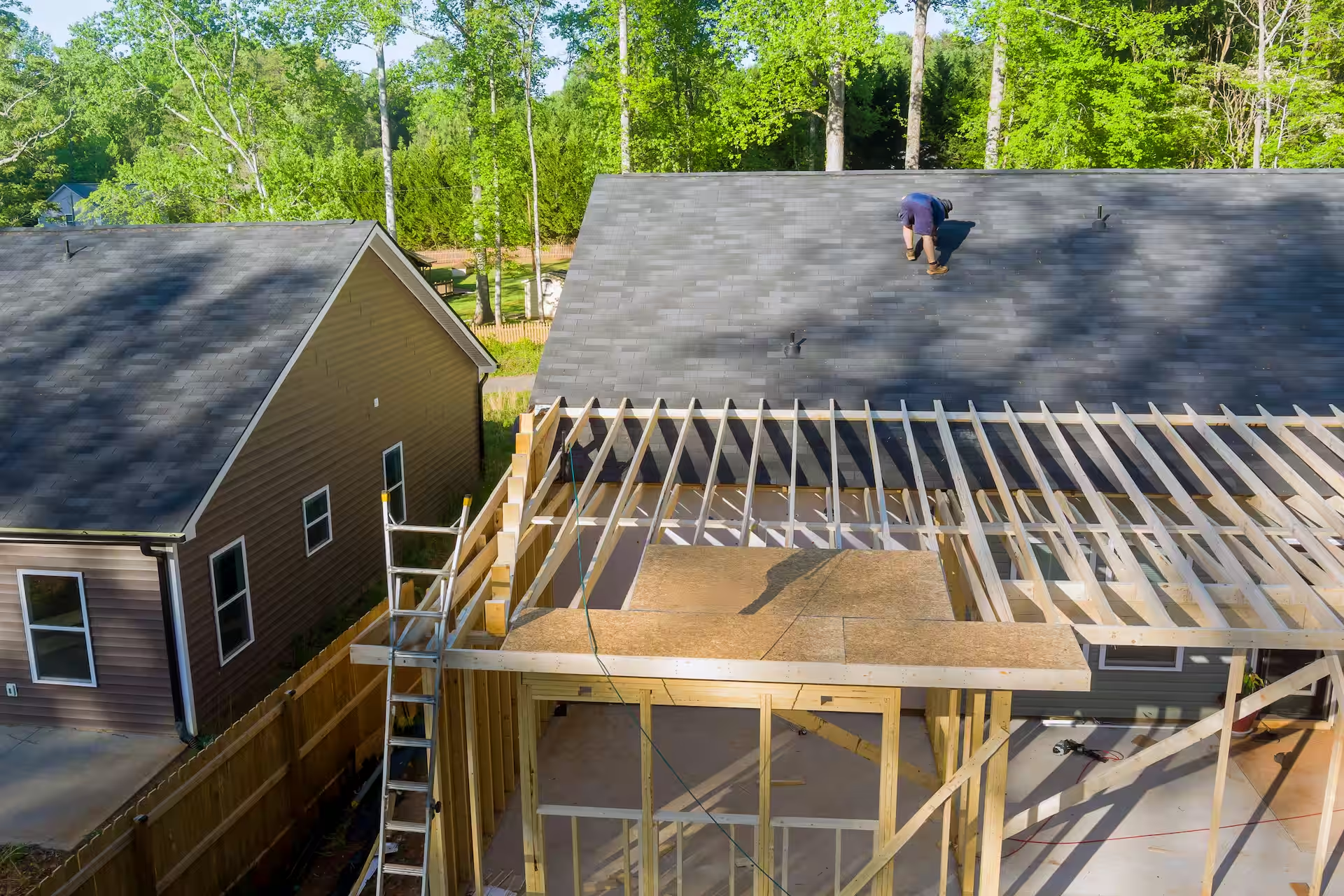
A backyard cottage allows a residential property to adapt as the needs of its occupants change. It can provide an independent home for an aging parent, young adult, or caregiver, generate rental income, or offer a downsizing option for the homeowner. These small homes add housing without demolishing existing buildings or dramatically changing the scale of a lot.
Cities should permit backyard cottages by right in all residential neighborhoods. The standards should be clear and proportional to the scale of the project. Setbacks, lot coverage, height limits, utility requirements, parking rules, fees, and building standards should not make a modest accessory home impractical to build.
The goal is to allow residential lots that can safely accommodate a small additional home to do so without unnecessary regulatory barriers, discretionary hearings, or special approvals.
Reform 3
Legalize Starter Homes

A starter home gives a household a place to begin A modest house on a modest lot can cost less because the household is buying less land, less structure, and fewer finishes. The home can then expand or adapt as the household's needs and financial capacity grow.
Cities should legalize starter homes wherever residential housing is allowed. Minimum dwelling sizes, lot sizes, setbacks, lot coverage limits, frontage requirements, parking rules, and other standards should allow small, durable homes to be built on small lots without requiring variances or special approvals.
The goal is to make it possible for households to purchase a safe, durable, and adaptable home that provides financial footing today while preserving the ability to grow and change tomorrow.
Reform 4
Eliminate Minimum Lot Size Requirements in Existing Neighborhoods

Established neighborhoods often have room to accommodate additional homes without dramatic change. Large or deep lots may be divided to create space for new housing, often using existing streets, utilities, and infrastructure. Minimum lot-size requirements can prevent these modest changes, even in neighborhoods where smaller lots already exist.
Cities should eliminate minimum lot-size requirements that prevent property owners from dividing lots into smaller parcels that can reasonably accommodate homes and connect to existing infrastructure.
The goal is not to require or encourage every property to be divided, but to allow neighborhoods to adapt incrementally when there is demand and the existing infrastructure can accommodate additional homes.
Reform 5
Repeal Parking Mandates for Housing

Mandatory parking requirements consume land and add costs to housing projects, whether or not residents need the parking. On modest projects, these requirements can make new housing financially impractical. A required parking space may occupy land that could otherwise accommodate part of a home, another unit, or outdoor space, while increasing overall construction costs.
Cities should repeal parking mandates for housing, allowing property owners and builders to determine how much parking is needed based on the site, the household, and the surrounding neighborhood. Removing these mandates does not prohibit parking; it simply eliminates the requirement to provide a predetermined amount regardless of context.
The goal is to ensure that unnecessary parking requirements do not prevent small-scale, incremental housing from being built where it can safely and practically fit.