Browse
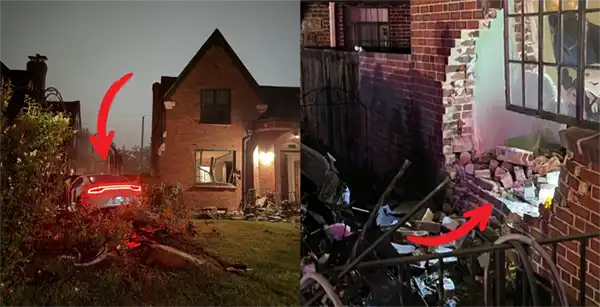
The house is beautiful. The neighborhood is charming. The street? Designed like a drag strip—and it's launched multiple cars into one family's living room.
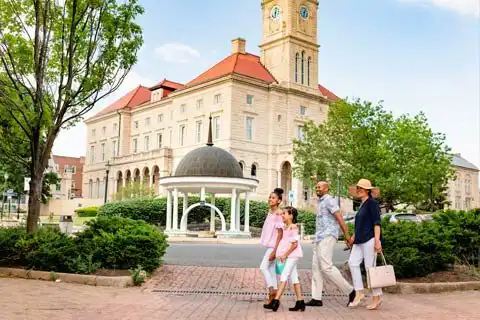
Harrisonburg skipped the renderings and went straight to the street—using a live demo to calm traffic and earn back trust.

How do you make streets safer when your tools made them unsafe in the first place? If you’re the Maryland Department of Transportation, you start building a new toolbox.

Instead of relegating walkability to college campuses and tourist towns, let’s embrace it as a key to community strength.
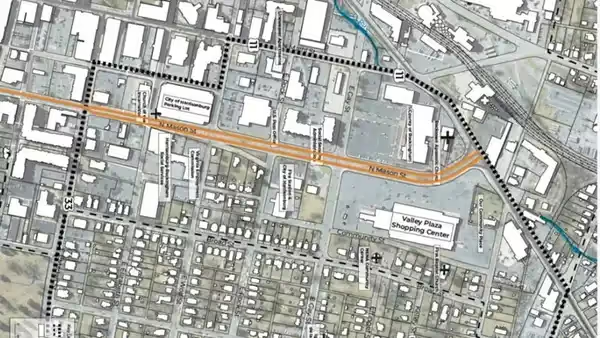
City staff in Harrisonburg, Virginia, are embracing a process of co-creation with the public they serve. Here’s what that means.
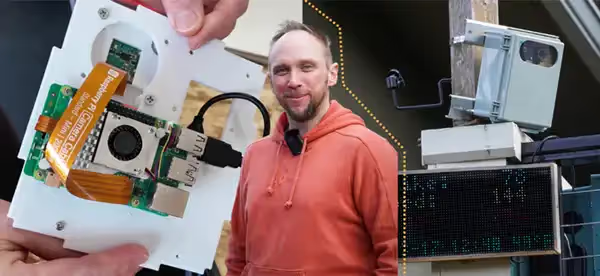
In Portland, Oregon one neighbor’s DIY device is quietly collecting the kind of street data cities can’t ignore—and that neighbors have known all along.

Instead of waiting for someone else to fix their community’s transit problems, this group of local advocates took initiative with something simple—and powerful.
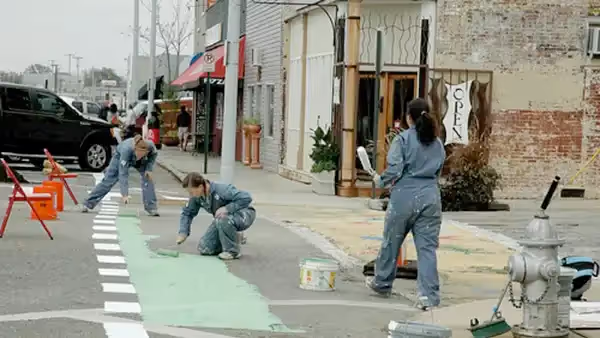
Tactical urbanism is changing the way we approach city-building—here are five studies, toolkits, and guides to help you get started where you live.

John Gall’s home sits at the base of a T-intersection—a spot where, in theory, drivers are supposed to turn either left or right. But that’s not what keeps happening.
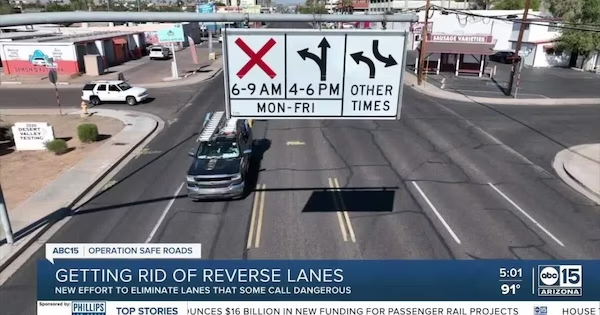
If crashes happen in the same place over and over, is it really an accident? Phoenix residents say no—and they have the data to prove it.
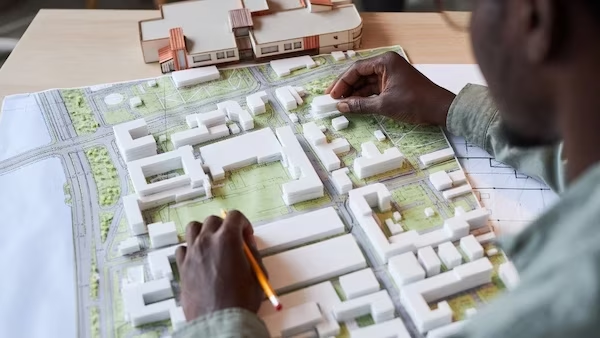
"Jane Jacobs ends through Robert Moses means" is the modus operandi of many planners and advocates. It's also a total misunderstanding of both the brilliance of Jacobs and the shortcomings of Moses.
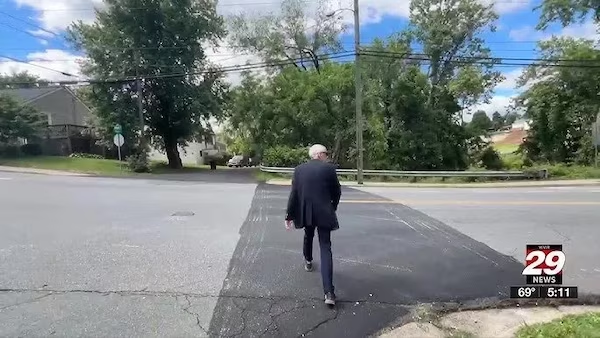
The latest fatality on a Charlottesville road was the last straw for Kevin Cox, but his efforts to make the area safer might land him twelve months of jailtime. What if cities saw actions like his not as crimes—but as calls for change?
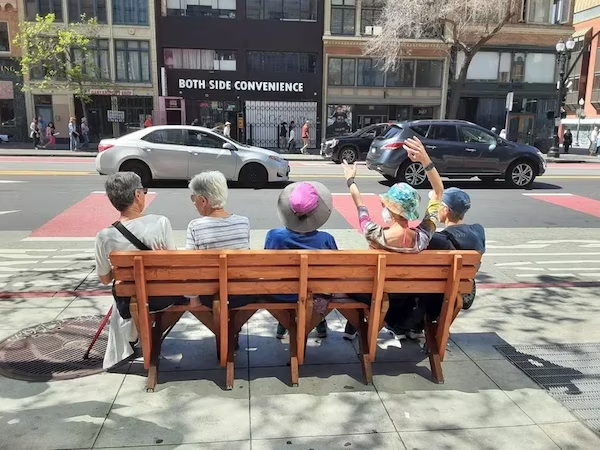
What began as a quiet act of care—building benches where none existed—just got the City of Richmond’s official blessing.
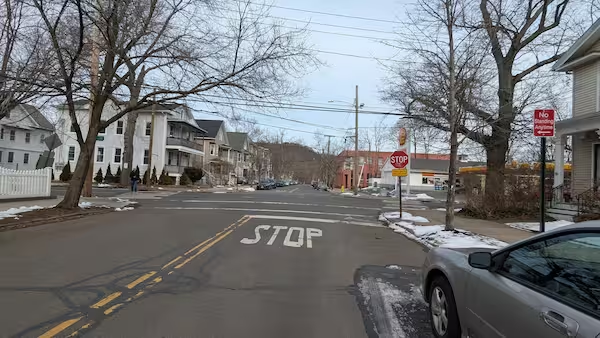
By embracing the Crash Analysis Studio model, New Haven residents are shifting the conversation away from blame and towards preventing the next tragedy.
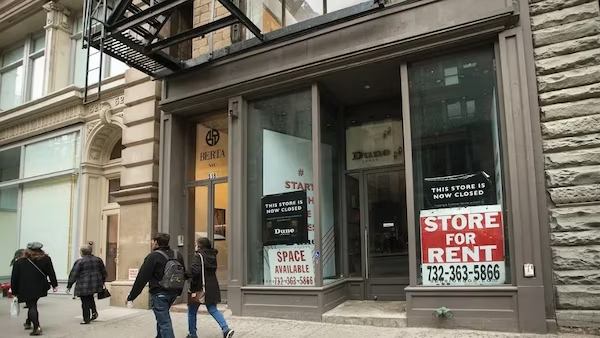
Here are eight reasons a storefront might sit vacant, applying to both professionally new built and legacy storefronts.
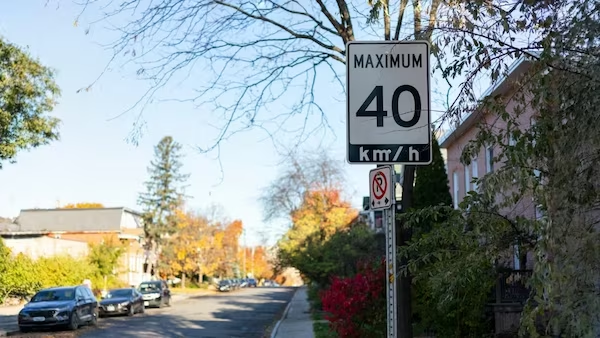
If you think cars are speeding down your residential street, you're almost certainly wrong. That doesn’t mean cars are moving at a safe speed, though.
.webp)
Pedestrian deaths dipped 2.6% in the first half of 2024 compared to 2023. But they're still higher than they were a decade ago. That tells us something isn't working.
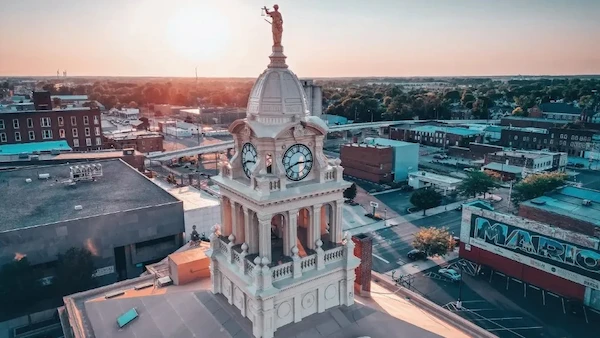
“The real story of Marion isn’t about decline—it’s about response.”
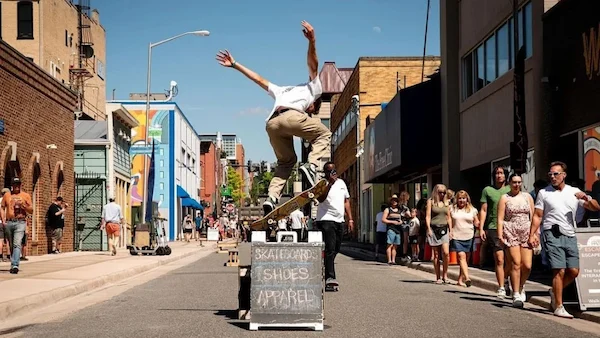
The Strongest Town Contest isn’t a pageant for towns that have “figured it out.” It's about the people and places that keep showing up.
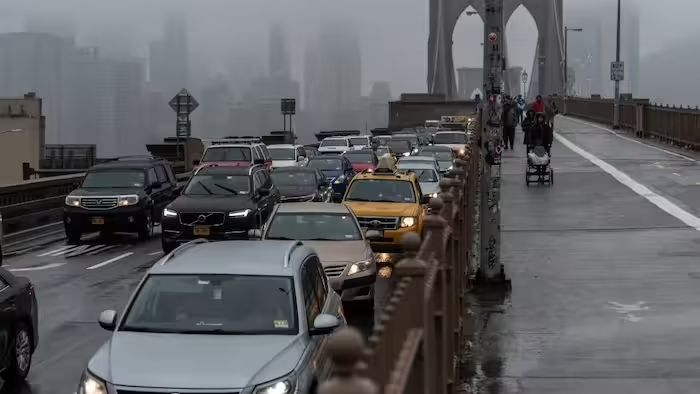
The Trump administration’s elimination of congestion pricing was shortsighted, but NYC’s congestion pricing was deeply flawed from the start. If congestion pricing is ever going to work as intended, it needs to be revamped with the right priorities.

The Federal Highway Administration has a chart full of answers to that question you might find useful.

We're building something we know won't be here two decades from now.
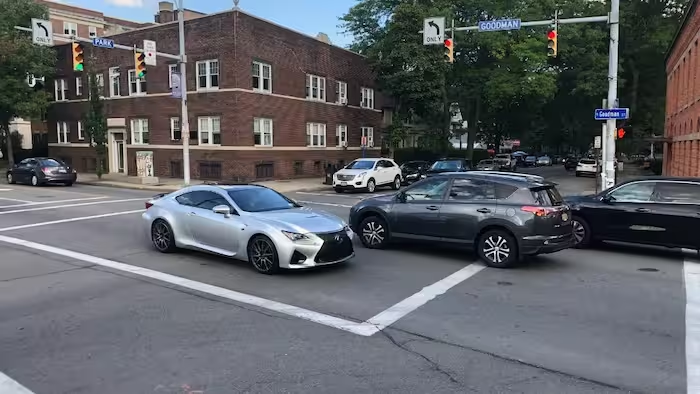
After a fatal crash, Rochester citizens and officials got to work, identifying factors that contributed to the crash, updating street design policies to make streets safer, and establishing a Community Traffic Safety Team to address other dangerous factors before crashes occur.
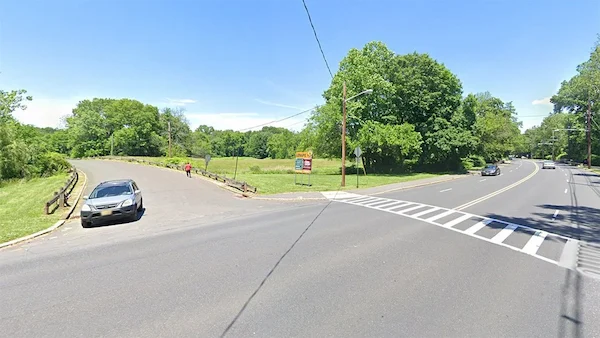
“It’s a highway running through our community and this...this is what happens.”