A Crash That Should Have Been Prevented
.png)
%20(1).avif)
%20(1).avif)
%20(1).avif)
On the morning of February 14, 2022, Michael-Luther Black was killed while trying to reach a bus stop in Charlotte, North Carolina. As he crossed West Mallard Creek Church Road at Claude Freeman Drive, a car traveling 43 miles per hour struck him and threw his body nearly 80 feet.
This tragedy is not an isolated event. It underscores a broader pattern of urban design failure that plagues Charlotte and countless other American cities: a disconnected street network that forces pedestrians into unsafe, high-speed environments. Municipalities have full authority over street design, zoning, and development patterns, yet they continue to enable an infrastructure that prioritizes vehicle throughput at the expense of human lives.
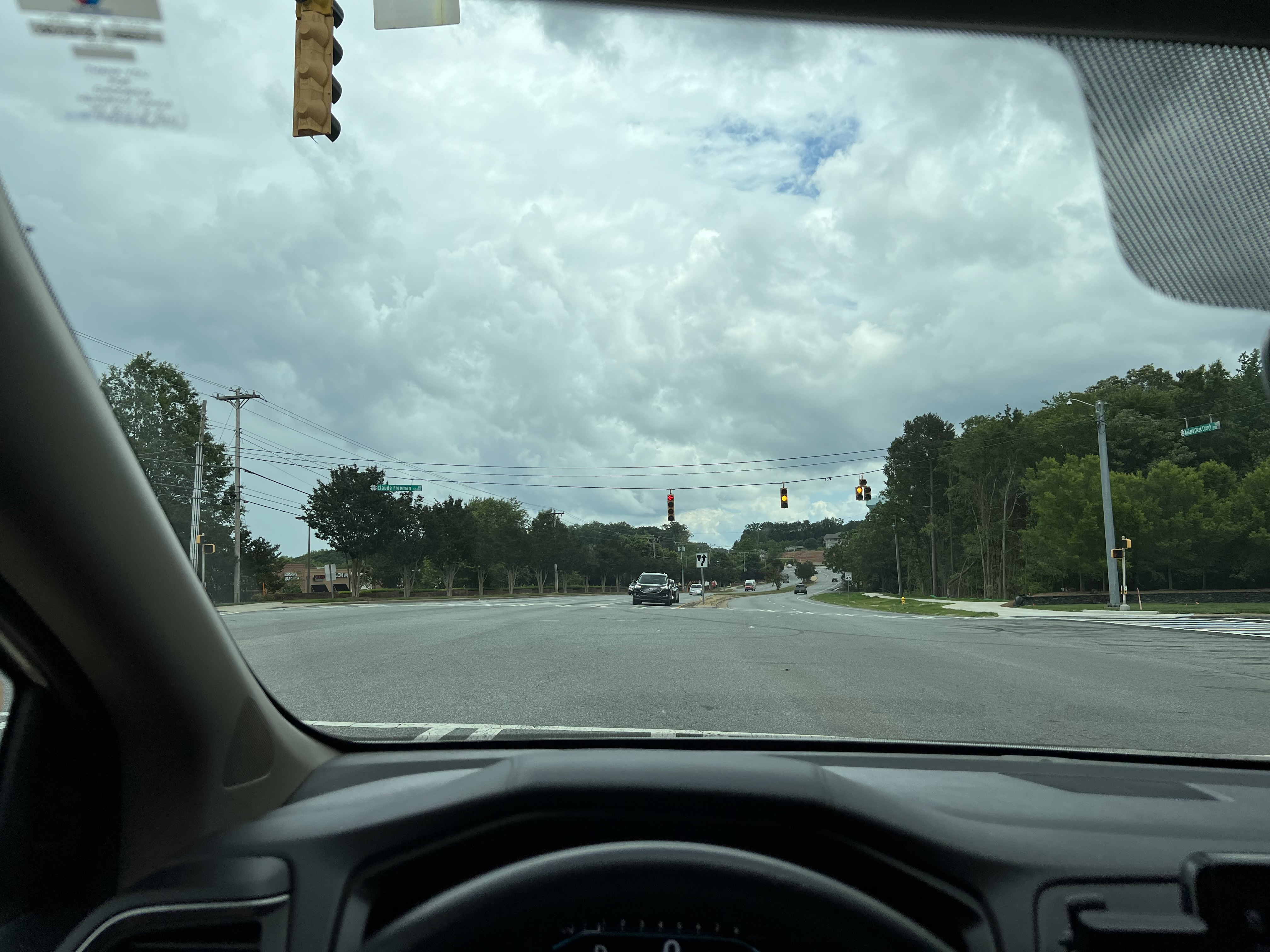
As I examined the area surrounding this fatal crash, I was struck by the glaring disconnect between its intended walkability and its actual pedestrian experience. Transit stops, retail destinations, and residential neighborhoods are all present, yet the network of streets fails to support safe, logical movement. Fragmented development, high-speed arterials, and isolated sidewalks create an environment where walking is neither safe nor practical. A closer look at the area's urban form reveals a fundamental issue. Luckily, it's one that cities have the power to fix.
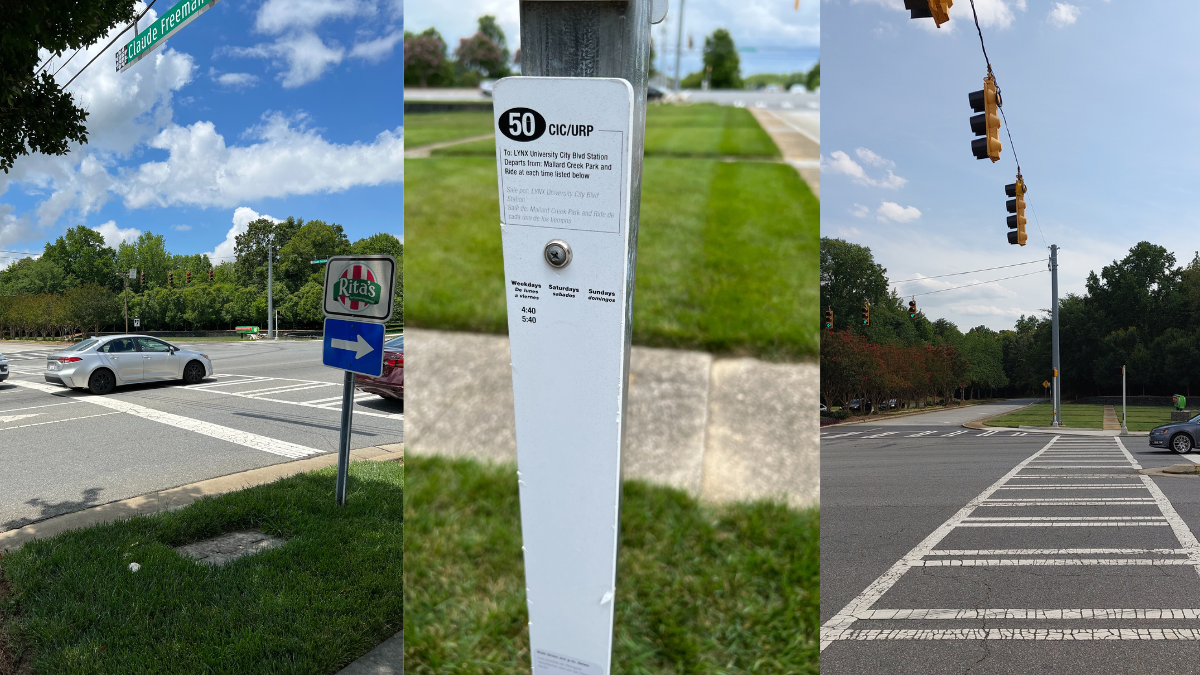
Mallard Creek Church Road is a textbook example of a "stroad": a dangerous hybrid that combines the speed of a highway with the access demands of a neighborhood street. It is the worst of both worlds. As I examined the area surrounding the crash site, the contradiction was hard to ignore. The presence of sidewalks, transit stops, and commercial destinations signals an expectation of walkability. Yet the physical reality tells a different story: High-speed lanes, wide curb radii, long crossing distances, and fragmented connections create conditions where walking is not just uncomfortable, but dangerous. The lack of internal street connections means that neighborhoods, retail centers, and transit stops are effectively cut off from one another, making even short trips dangerous and inconvenient. Frequent driveways and signalized intersections collide with high travel speeds, increasing both the likelihood and severity of crashes.
Cities Have the Power to Fix This
Cities have long exercised control over the details of new development—materials, plantings, the shape of the site itself. They can use that same authority to require something far more consequential: the small, strategic links that complete a street network. Sometimes the fix is almost embarrassingly simple: remove a berm, extend the pavement a few feet, and two disconnected streets suddenly become one coherent route. Those incremental connections give everyone more, slower, safer options for moving around.
This is how cities used to grow: adding streets and blocks in a pattern that kept people connected and kept speeds in check. Modern codes broke from that tradition, prioritizing large, isolated projects while ignoring the connective tissue that makes a city work. The result is costly infrastructure, cut-off neighborhoods, and dependence on fast arterials that are hostile to anyone outside a car.
Yet the power to change course is still in local hands. If a city can dictate what materials a developer uses, it can certainly require that the project ties into the surrounding street network. Reclaiming that authority isn’t complicated, but it is essential. It’s how we can reduce exposure to high-speed traffic where people are expected to walk, and avoid preventable tragedies born from disconnected design.
Connectivity is not just a matter of convenience. It is a matter of safety, equity, and long-term sustainability. Cities have the tools and the authority to fix this problem. The real question is whether they will take responsibility for shaping development in a way that prioritizes human lives over vehicle throughput.
Edward Erfurt is the Chief Technical Advisor at Strong Towns. He is a trained architect and passionate urban designer with over 20 years of public- and private-sector experience focused on the management, design, and successful implementation of development and placemaking projects that enrich the tapestry of place. He believes in community-focused processes that are founded on diverse viewpoints, a concern for equity, and guided through time-tested, traditional town-planning principles and development patterns that result in sustainable growth with the community character embraced by the communities which he serves.