The Democracy of Doing
.avif)
.avif)
Every trip through this bike lane is a resident’s action telling the city what infrastructure matters. (Source: Jim Henderson)
To its proponents, public engagement is a key piece of democracy. When organizers and activists see a project use eminent domain to claim a thriving community so it can be turned into a freeway, they can finally fight back.
However, that viewpoint doesn’t capture the full reality of public engagement. Yes, we have taken power away from the experts, the technocrats. But too often, we have handed power to the handful of homeowners who have the time and resources to show up to community meetings, even if their understanding of the issue is limited.
A city ruled by the whims of technocrats is bad. A city ruled by a cabal of comfy homeowners is worse.
Whose Voice is Being Heard?
Actions are a form of communication. Are we listening to the actions of every citizen? No. Too often, we frame the debate as a fight between a developer and the current residents. Then, we let a few people speak for the entire citizenry. Worse, we often ascribe the will of the entire city to the viewpoint of that comfy and unrepresentative group. But why shouldn’t we? They’re the only ones who care enough to speak up, right?
No, they are not.
Actions speak louder than words. More voices are speaking, if we would only listen.
The loud voices at public engagement meetings too often already “have theirs.” They are homeowners. They got in years, even decades ago. They have their shelter. They have their community. They have their safety net that appreciates every year. The status quo is working for them. So, they want everything to stay exactly as it is.
But who is on the other side of the debate? Not the developer. The developer is nothing more than a tool, a response. The developer is responding to housing demand. The developer wouldn’t be building houses at all if it weren’t for the person behind that demand.
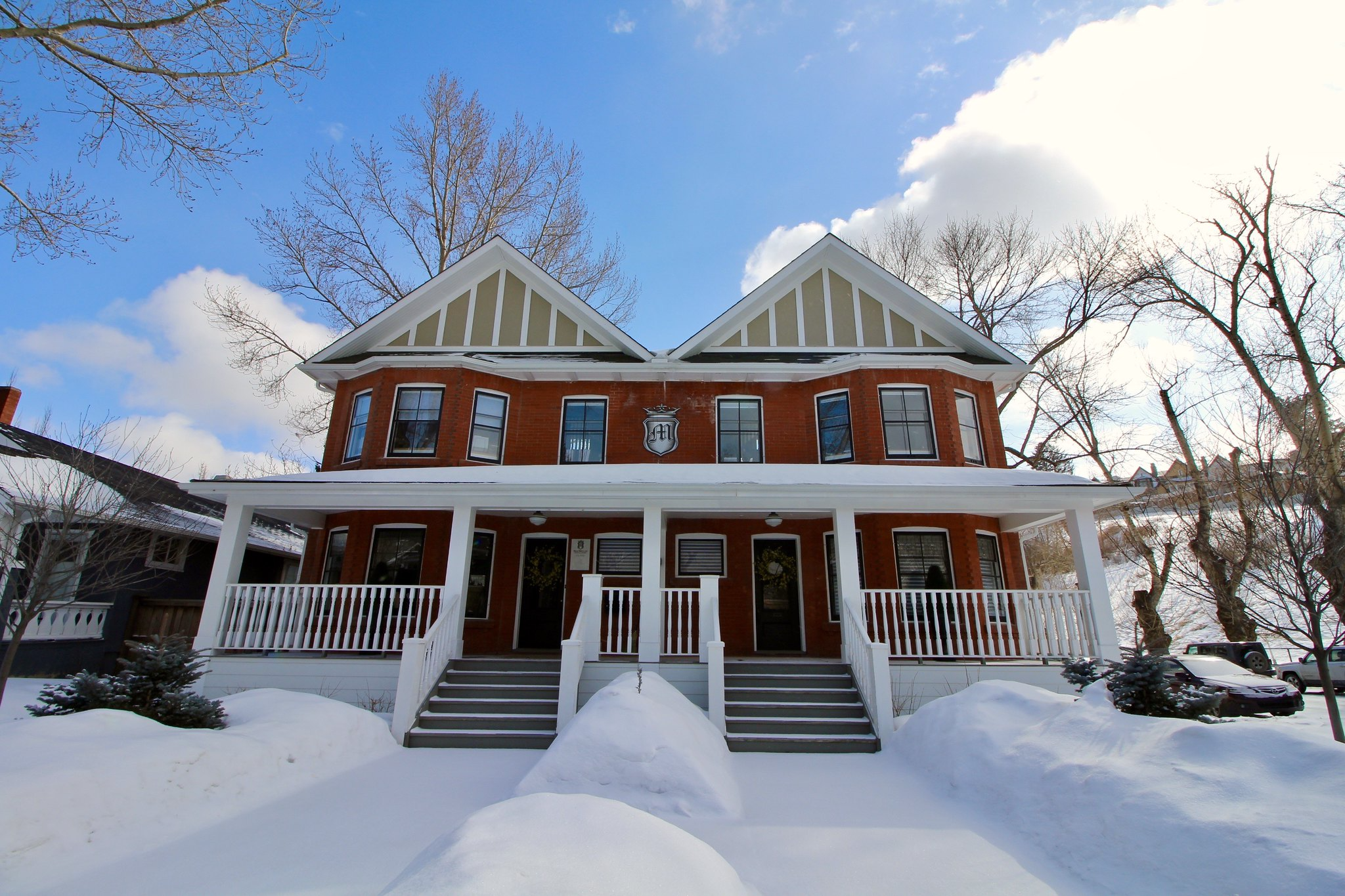
Then who is in opposition to our comfy homeowners? It’s the new family who wants to move into the neighborhood. The family trying to find a home, shelter, community and their safety net.
These families are lined up, ready to buy new houses that go on the market. That should speak volumes about what they want and need. Their actions say they want housing, more of it, and in the most desirable places in the city.
Here’s a Thought Experiment
Imagine another universe where the city does public engagement a bit differently.
Instead of meeting before a project is built, they wait until it’s finished and do a post-mortem evaluation. If the project turns out to be undesirable, city council revokes the permit and uses a special device to “unbuild” the homes. There is no waste. All the materials go back to their original locations, and it’s as if the project had never been built.
This society values this process. Instead of trying to predict whether a project will benefit citizens, they get to see it in action first and make a better-informed judgement.
Imagine one of these public meetings. The first resident who steps up to the podium might sound familiar in our world. He complains that the houses are built too close together, block some of the sunlight to his backyard and create a little more traffic on an already narrow street. He wants those houses gone.
Then, a family steps up to the podium: “Please, no. We just moved into this house two months ago. We upended our lives and went through this whole move because we’ve wanted to live in this neighborhood for years. Not many houses come on the market here, and when we saw this one, we knew it was perfect for us. Our daughter just finished decorating her room and called it ‘my home’ for the first time yesterday. Please don’t make us move out.”
Another family takes their turn: “We had our doubts during construction, but the new family invited us over for a barbeque when they moved in. Now, our kids are already best friends. We think the house should stay.”
Even the first resident comes back up to the microphone: “Well, I still think that house is too close to the other houses and I hate where this neighborhood is headed with all of these developers. But I do appreciate their front-yard vegetable garden, and it’s been too long since we’ve heard kids playing and laughing this much. I guess I’ve changed my mind. The house should stay.”
Can you imagine a city council voting to use the device to erase that house? Our world holds public meetings before construction, while theirs waits until after. But the stakes are similar. In our world, a negative vote might not displace a family, but it would shut the door on their chance at a home in that community.
A new family’s participation doesn’t stop at their property lines. They become new customers for local businesses, users for public spaces, and tax revenue that helps support teachers, city employees, and the services that make the city function.
That family’s decision to make a life there is their voice. It is their public participation.
Actions Speak Louder than Words
We have plenty of sayings for this:
- "Actions speak louder than words."
- "Put your money where your mouth is."
- "Talk is cheap."
These sayings get at an essential truth: we don’t always mean what we say. If you want to understand our true hopes, dreams, desires and preferences, you have to watch what we do, not just listen to what we say.
What Could Democracy Look Like in Cities?
If it doesn’t look like the public engagement we have now, what should it look like?
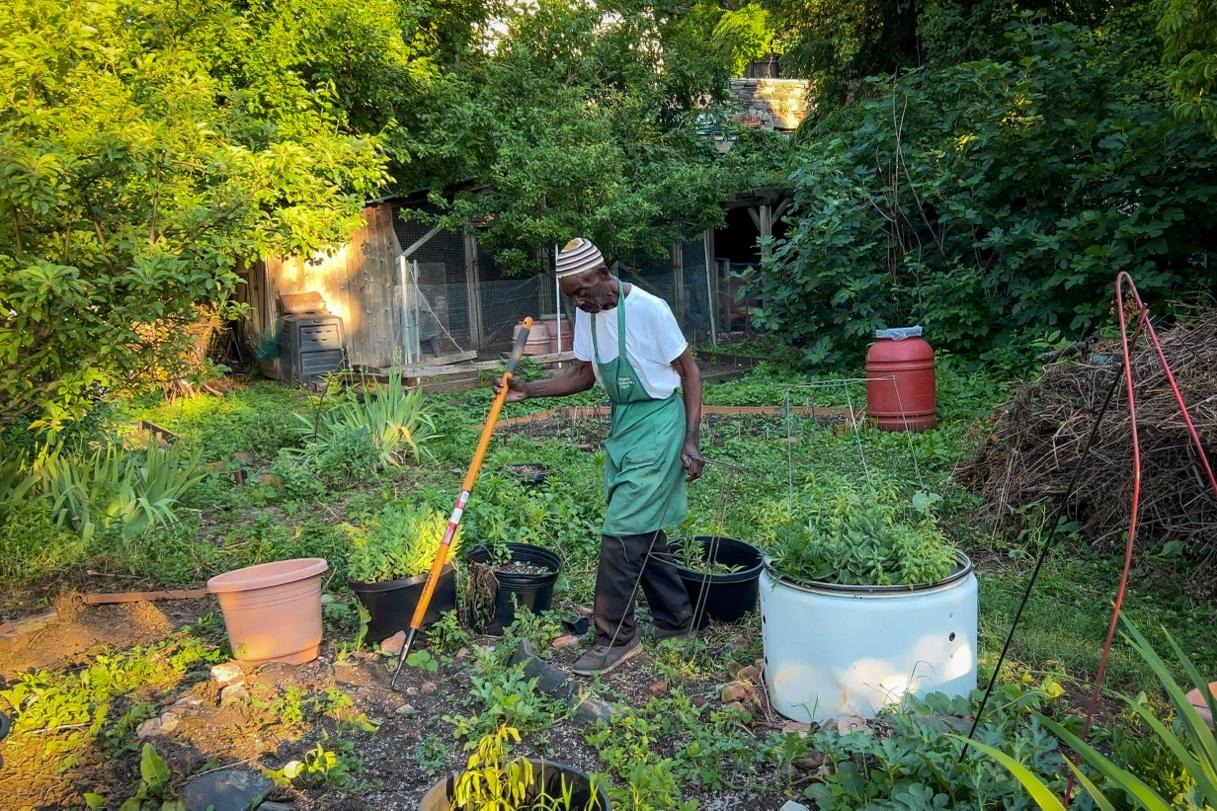
I come back to the word “do.” Who are the “doers” and what do their actions tell us? Consider the young local entrepreneur who starts a small business, the gardener who plants flowers and puts up a little free library in front of their house, the cyclist who uses the bike lanes, or the kids who play in the park and use the sidewalks to get to school.
Now consider the act that makes all of this possible for a new neighbor: joining the community by buying or renting a home. That is what we do, not what we say.
A city is shaped not only by what is built, but by how people use space and create meaning in their neighborhood.
Jane Jacobs Misused
Often, the case for public engagement is credited to Jane Jacobs. She is the patron saint of the fight against technocracy and top-down decrees made without public input. That is true. But, in my opinion, if she were alive today, she would say, “but not like this!”
She championed small businesses, activists and nonprofits. In a word, she championed the democracy of “doers,” the people who take small steps that collectively create a city where everyone participates in their own way.
Cities have the capacity of providing something for everybody, only because, and only when, they are created by everybody.
— Jane Jacobs, "The Death and Life of Great American Cities"
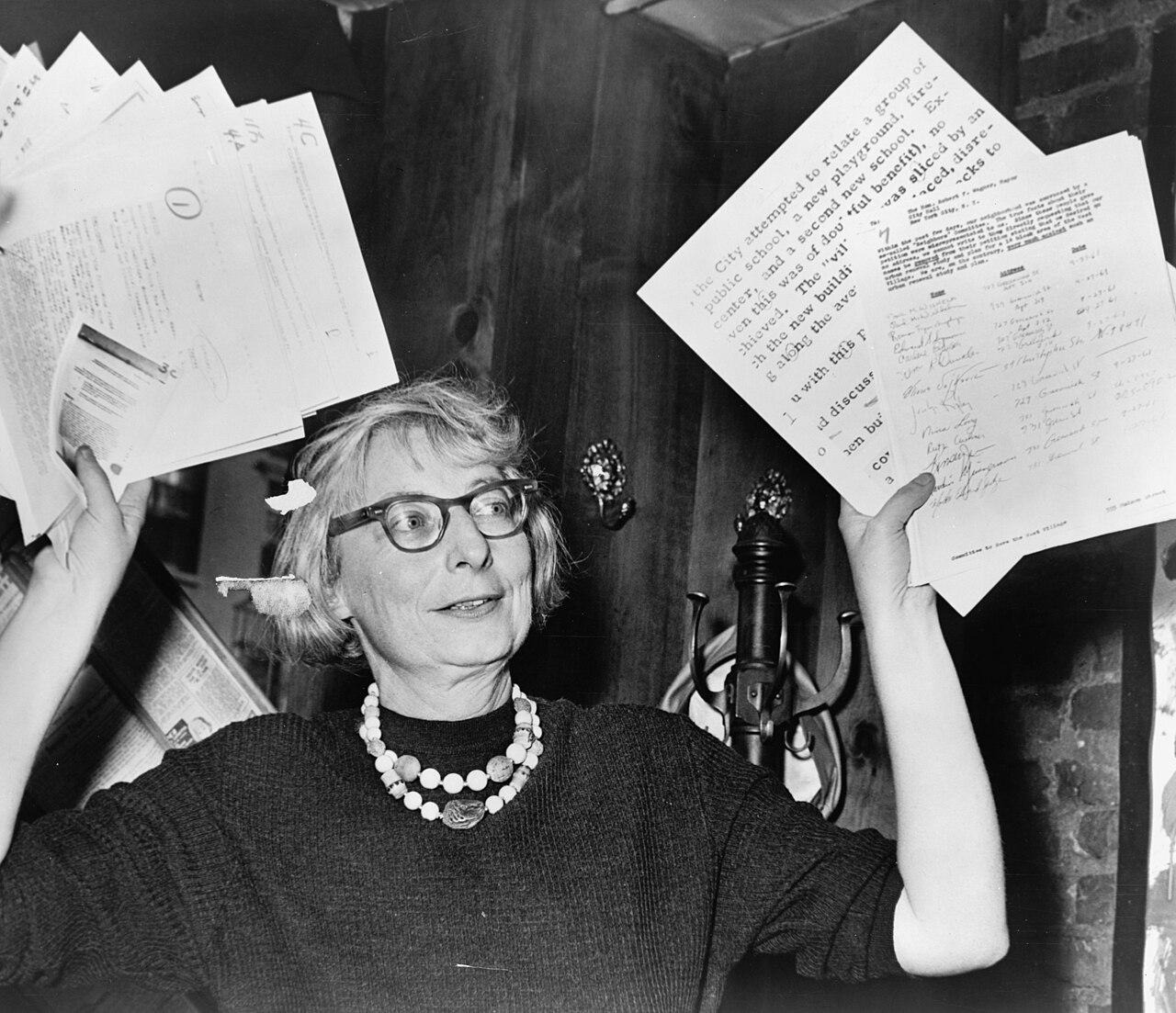
Jacobs uses the phrase “created by everybody,” not “a few individuals get consulted.” In some ways, the public engagement process that has emerged is like a new form of technocracy, except the technocrats have no background in what they are talking about.
Every time we fail to provide infrastructure like sidewalks and bike lanes, we make it hard for citizens to participate.
Every time we make the zoning rules so complicated that a local citizen can’t figure out how to build a backyard cottage for their aging parents, we make it hard for citizens to participate.
Every time we tell people they can’t run a small flower shop out of their garage because it isn’t commercially zoned, we make it hard for citizens to participate.
Every year we keep playgrounds and parks closed because we can’t seem to clean up lead-contaminated soil, we make it hard for citizens to participate.
Every time we make it harder for citizens to “do,” to participate in the neighborhood, we are crushing public participation. Cities say they want public participation, but too often, they seem to mean angry, two-minute diatribes at city council meetings.
Every home that doesn’t get built in an existing community, that doesn’t bring in a new neighbor, puts housing pressure elsewhere. That pressure may show up as higher prices, or sprawling development.
The voices that decry infill development are, through their actions, not their words, shifting development pressure outward. That can lead to outcomes they claim they don’t like: more suburban-style development, longer car trips, and more pressure on environmental resources at the edge of the city.
At the same time, those actions can further the self-interest of homeowners whose home values rise when there aren’t enough homes to meet demand.
Expressive participation still matters. And people who lack the money, time, or opportunity to act still deserve to be heard. But when words conflict with people actually building their lives and creating places in the city, those actions should often speak louder.
Actions speak louder than words. No more two-minute diatribes getting the final say. The city needs to notice the people who are already shaping it.
%20(1).avif)
%20(1).avif)
%20(1).avif)
%20(1).avif)

.jpg)
