Hello,
It's Member Week at Strong Towns and we're asking you to help support this movement. We'll be direct: Strong Towns is a nonprofit organization that depends on donations from generous readers like you in order to continue the work we're doing. That includes bringing you articles like the one you're about to read! We're a small team, and we're only able to do what we do with your help. Please consider donating whatever amount is meaningful for you. Thank you so much, and keep doing what you can to build a Strong Town.

What’s the Point of Park(ing) Day?

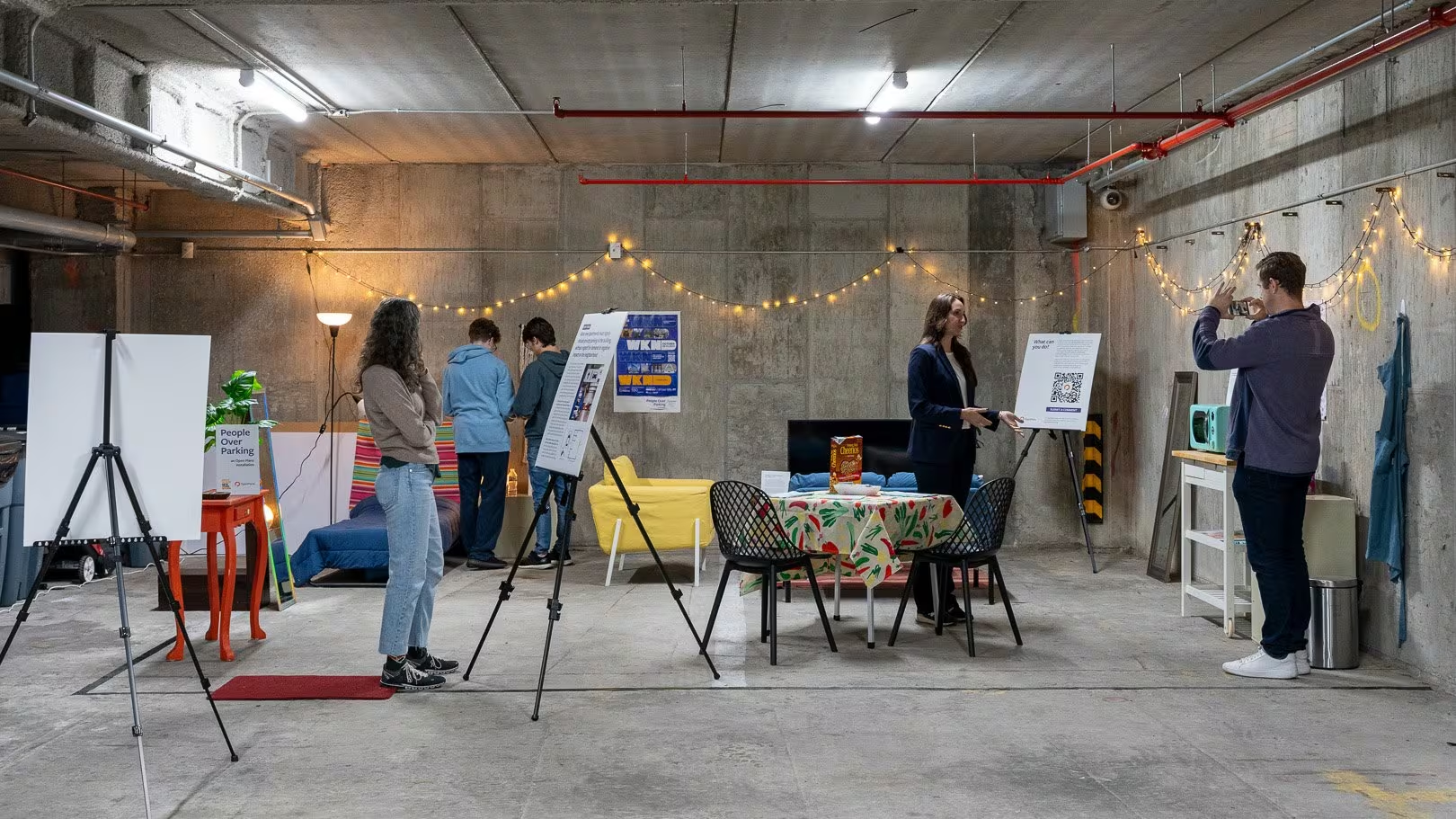
Every September, people around the country turn spaces normally reserved for parked cars into literally anything else. In New York City, the non-profit Open Plans once fit a studio apartment into a 2-car garage. One of Philadelphia’s curbside transformations allowed you to play larger-than-life windchimes while in Chicago, you could get your 10,000 steps in aboard a human-sized hamster wheel.
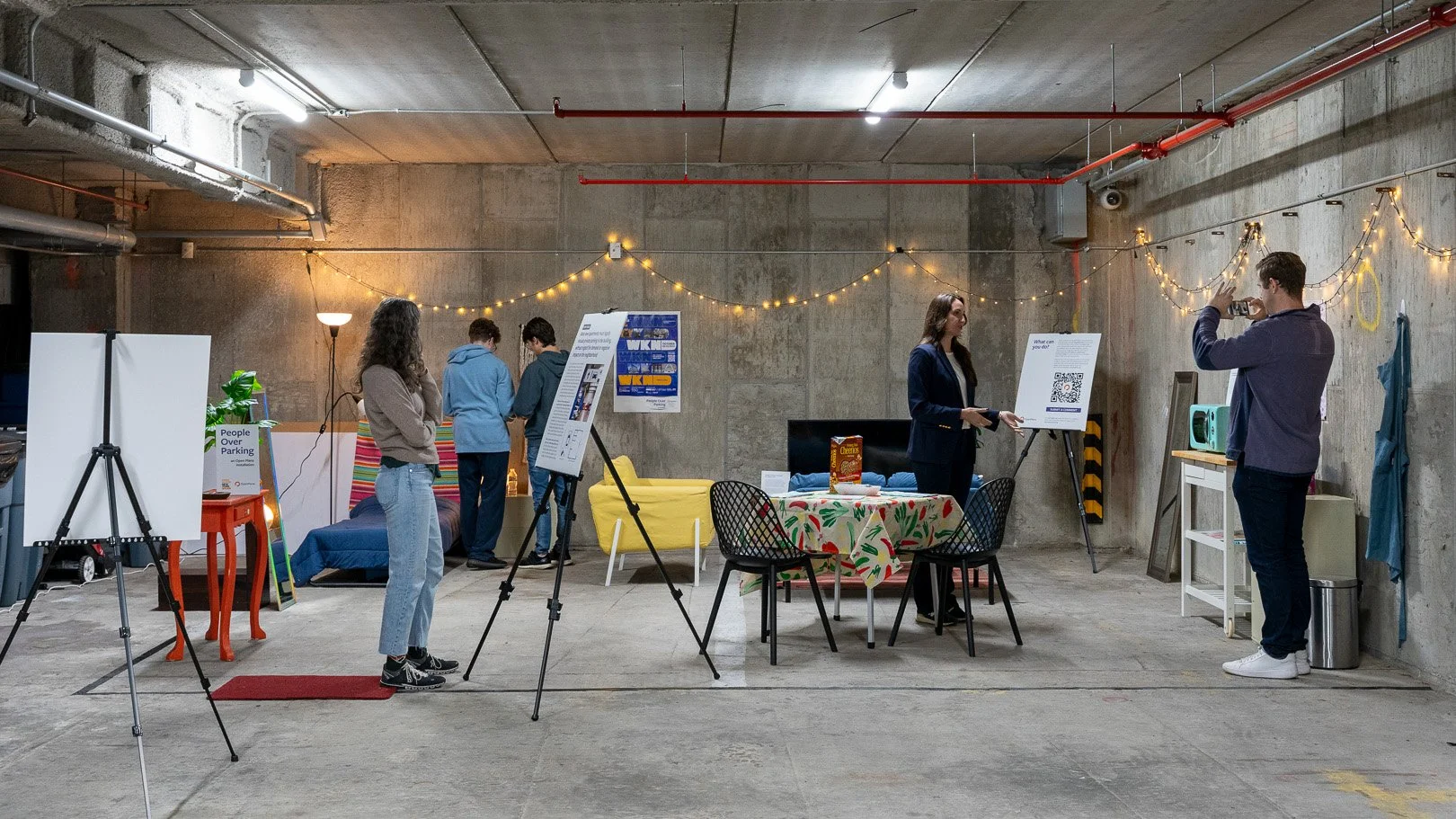
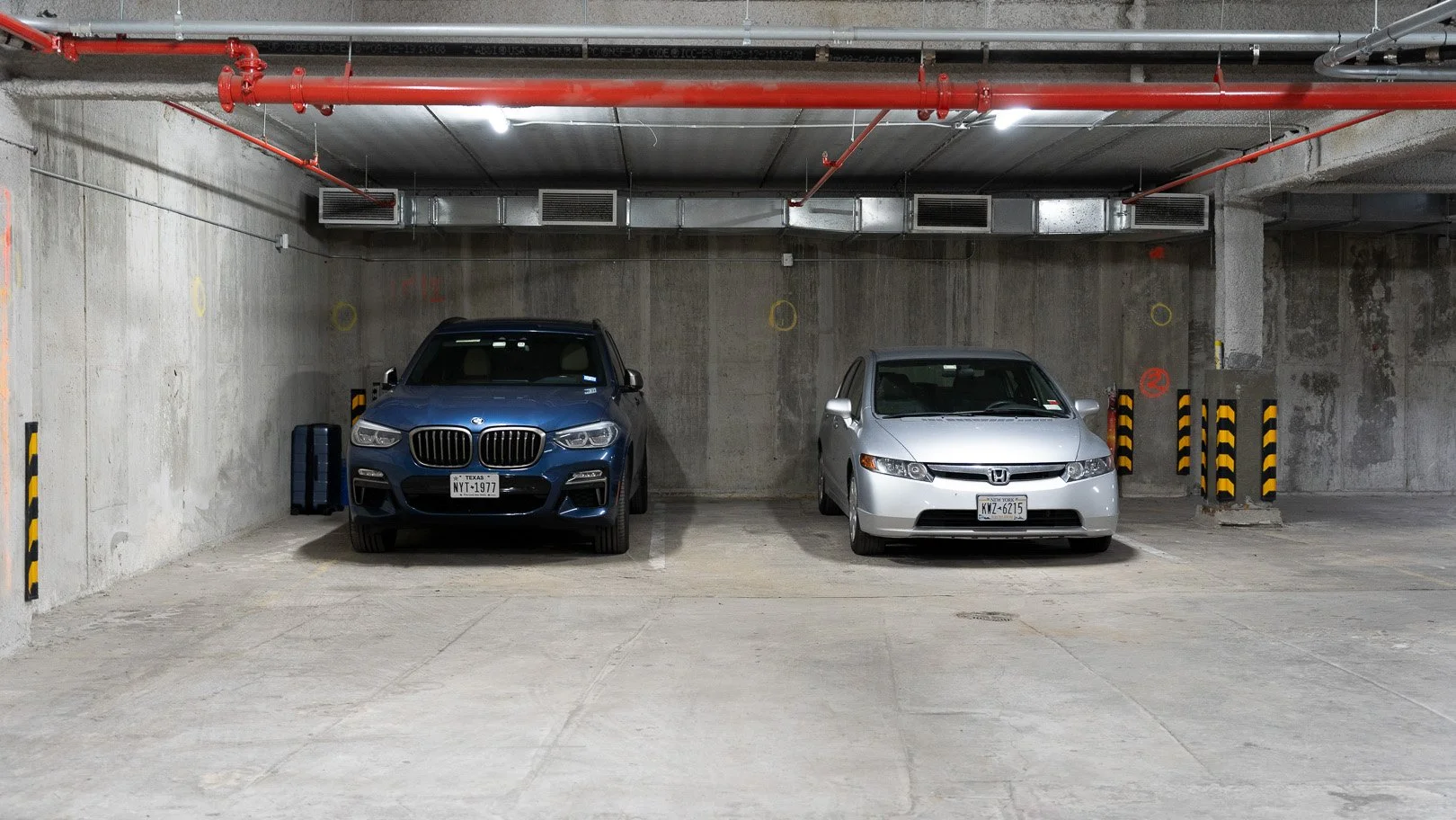
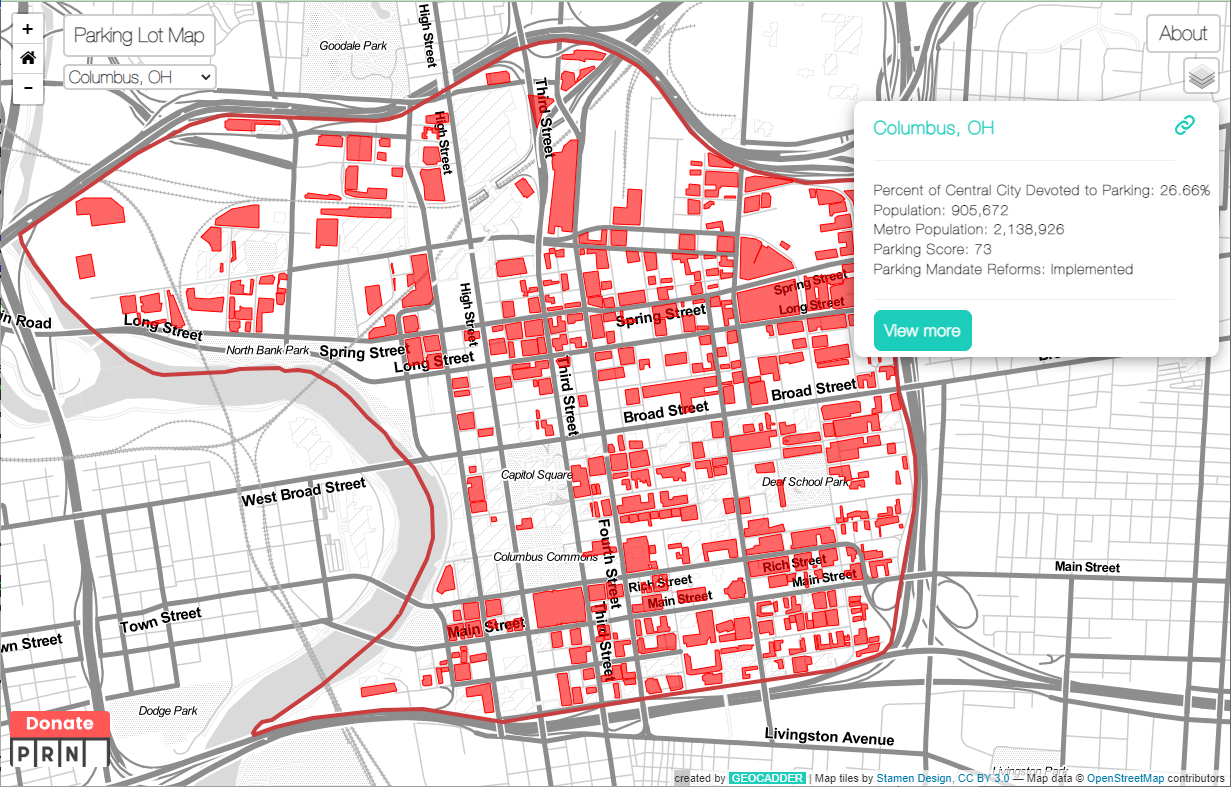
This is Park(ing) Day. The intention behind it is to jumpstart our imaginations and to bring awareness to just how much (in most cases) public space we cede to parking.
But what happens when the day comes to a close? If the installations don’t catalyze long-term change, have they failed?
To answer that, we need to understand what events like Park(ing) Day are good at.
The Discomfort Is (Part of) the Point
A mentor once encouraged me to “mine for conflict.” His point was that you can’t work towards a shared goal until you’ve surfaced all of your differences first. That’s a useful lens through which we can think about Park(ing) Day and all the other annual advocacy events like Bike to Work Day, Walk to School Day, or Week Without Driving. Besides engaging our imaginations, these events make visible what is often systemically invisible.
A successful “Walk to School” day sponsored by Safe Routes to School, for example, should be unpleasant. It should force us to notice the disconnected sidewalks, the cracked ramps, the daunting intersections. It should leave us wanting better for our children. That’s not to say it shouldn’t empower students and parents to consider walking, but it should (re)ignite a desire to fix the gaps in our transportation networks. It should incense us to make our routes to school safer.
The discomfort is part of the point. You’re exposing the obstacles that make these events necessary in the first place.
During a Strong Towns Local Conversations training session I led, someone asked me about their Park(ing) Day parklet. As I recall, the group had been denied a permit to set up a tent and some seating. They just wanted a simple shelter to offer ice cream to passersby, but the city denied the necessary permit. So, now what?
Well, first: why did this happen? Permitting agencies often evaluate a small temporary tent through the same framework they use for much larger structures, with concerns about safety and liability. In other words, your small two-person tent that will be up for six hours may be seen as equivalent to a circus tent that would be installed for weeks. It’s not that the safety concerns are bogus, but these one-size-fits-all requirements make even the most modest activities too difficult to pull off.
Not being able to install a tent may have felt like the group was forced to make a worse version of their parklet, but I pointed out that the whole ordeal in itself was an opportunity: You’ve already committed to a date, people know about it, and you’ve already recruited volunteers. Put another way, you’ve got an audience. So, make the tent the story!
If the city won’t let you set up seating, show people what that means. Think of the headline: "City won’t let kids enjoy ice cream on a hot day." There’s even room to inject a little humor into the whole ordeal.
This isn’t a recommendation to turn every administrative inconvenience into a spectacle, but to recognize that the obstacle itself can help people understand a problem they might otherwise never encounter. Perhaps the point of your parklet isn’t to show what’s possible if we swap this one parking spot with an ice cream stand, it’s to expose just how much Sisyphean effort it takes to reclaim a small piece of public space even for a few hours.
For those of us in advocacy, none of this is news, but the event gives everyone else a chance to see these barriers.
Going Beyond One Day
The obvious limitation of Park(ing) Day is that it ends. The parklet comes down, everyone goes home, and the parking space reverts to its usual use until next year. That’s fine if the goal is simply to show people what’s possible, but if you’re trying to build support for a policy change or a longer-term transformation, you need to think about what happens next.
That starts with giving people energized by your installation somewhere to go. Collect emails, invite them to the next event, and give them something concrete to participate in. And don’t assume the next step has to be a meeting. People already spend plenty of time in meetings, hearings, and other forms of advocacy that can take years to produce a visible result. Part of the appeal of Park(ing) Day is that it’s playful. Keep some of that energy in whatever comes next.
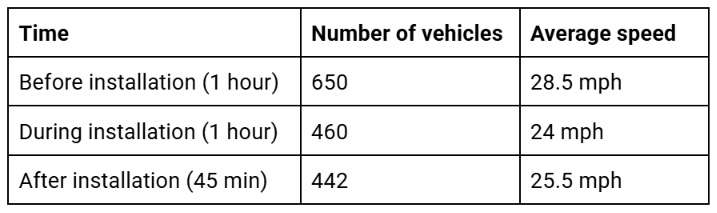
Then, there are ways ahead of Park(ing) Day to get more mileage out of your parklet. About a decade ago, I worked with the community of Rice Lake, Wisconsin, to produce a parklet on Main Street which, at the time at least, was a six-lane stroad. One of the main concerns in the community was speeding, so we used the opportunity to collaborate with the local police department to track speeds the day the parklet went up, and to use the parklet itself as a form of traffic calming.
We essentially leveraged an existing national “holiday” to test out a temporary intervention that the community — and the police department — might have otherwise never endeavored. And it worked! Speeds decreased during the installation and afterwards. This was now a data point that the police department and locals could use to advocate for change on Main Street.
We collaborated with the police department, but you can find partners among local businesses, planners, public works staff, or anyone who has a stake in streetlife. You don’t necessarily have to convince them of your entire vision, either. Find the piece of the project that intersects with something they already care about. For a local business, that may be foot traffic, vehicular speeds, or general safety. Maybe their customers want to visit by bike, but there are no places to securely leave a bike once they arrive. Maybe a local cafe has been curious about expanding outdoor seating, or the local bookstore wants to see whether a small outdoor reading area would actually draw people in.
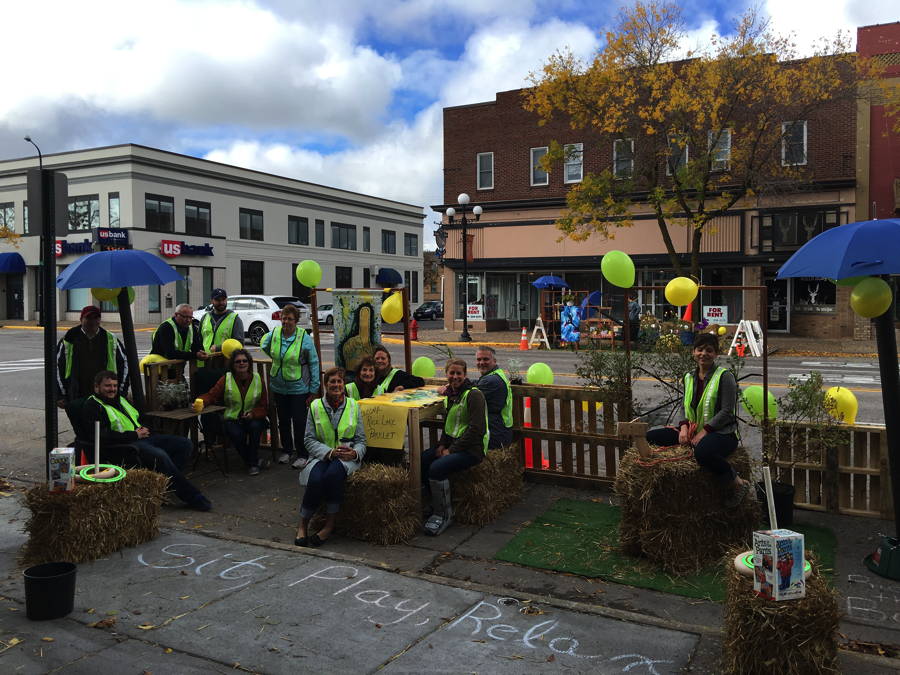
You can even use these relationships to extend your installation beyond one day. If you find an ally in city hall (for a place to start, look up your Bike and Pedestrian Coordinator), ask whether the city would be willing to extend the project if certain conditions are met, or agree in advance on what you’ll measure and how that might serve a goal already enshrined in the city’s plans. A one-day demonstration can’t tell you everything, but it can tell you a lot about what happens when you try something, and what may be worth trying again.
Crucially, track what you learn. How do people use the space? How long do they stay? Do nearby businesses notice anything different? Any change in traffic patterns? What objections come up? Which parts of the process are surprisingly difficult? Which are easily replicable?
These observations can become really useful when you go back to the people who have the power to make a temporary change permanent.
There’s Nothing Better Than Doing Something Real
All of this circles back to the power of doing something tangible to advance our long term goals. As Kathy Wellsandt, Main Street Manager of Rice Lake, reflected: "After our placemaking/parklet adventure last fall, we have noticed that instead of getting the 'whatever' response, more business owners are eager to jump on board and participate."
So, to go back to our crowning question — what’s the point? Park(ing) Day was never going to transform a city one parking space at a time, but that’s not really what these events like this are for. Their value is in creating situations that wouldn’t otherwise happen, forcing into the public eye what’s normally structurally invisible, and creating momentum for broader positive change. Don’t mistake the installation for the outcome; it’s part of the process.
And if you want to understand how to turn these kinds of moments into something bigger, "The Changemakers Handbook" is a good place to start.
Max Musicant is the founder and principal of The Musicant Group, an interdisciplinary firm whose mission and service is to create places where people want to be, as well as its Practice of Place blog. Through partnering with communities, businesses and organizations of all kinds to integrate design, events, operations, communications and organizational capacity building, the firm has demonstrated that every space can and should be a great place. Musicant received an MBA from Yale and a B.A. from the University of Wisconsin–Madison.
Asia (pronounced “ah-sha”) Mieleszko’s career defies easy categorization—from researching Ukrainian folk traditions to covering infrastructure policy, from performing on the world’s biggest stages to the most cramped basements. At heart, she’s a storyteller, driven by curiosity about how people and places become what they are.
While at Strong Towns, Asia paired analytical rigor with empathy to examine the forces shaping our built environment. As host of Stacked Against Us, she guided listeners through the labyrinth of housing, finance, and local governance, revealing both the systems constraining communities and the openings for meaningful action.
Off the clock, Asia can be found behind a camera, playing the accordion, or riding the rails across the country, always curious about the places and people along the way.