People Want Urban Playgrounds, Not Cities
.avif)
.avif)
Most people who say they’re “from” a city aren’t really from that city. And most people who say they live “in” the city don’t live in what we would recognize as the city, either. They live in annexed edges. Legal boundaries, not lived ones.
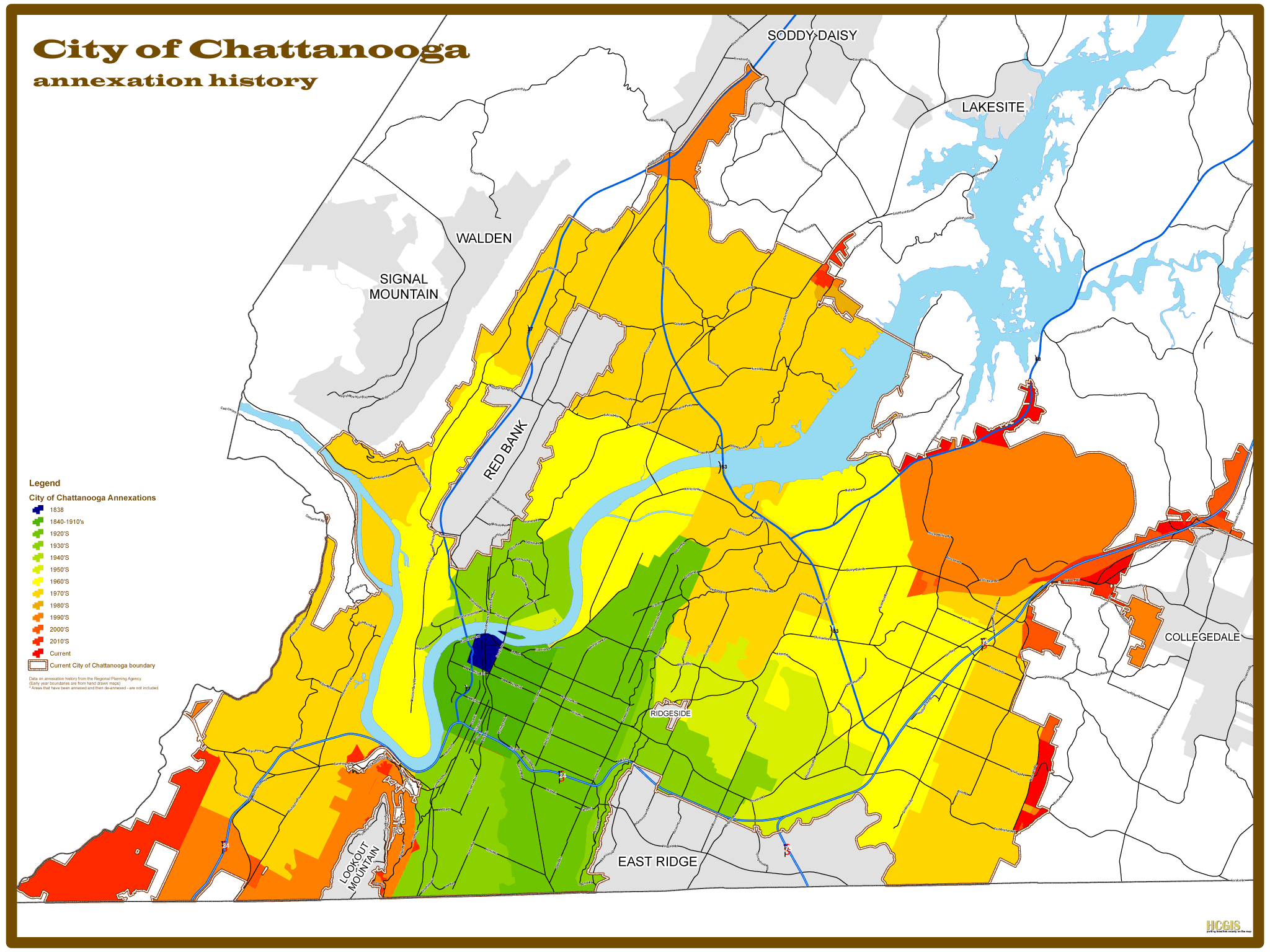
Which leads to a strange outcome: our downtowns become destinations more than neighborhoods. They are what someone once called an "urban playground." A place you enter with intent and can leave without consequence.
Yet, city centers used to be places where all of life (for some people) happened. Now downtown is where life is a series of scheduled experiences for those who live outside of it.
Instead of being a place where someone works, plays and lives their life, it becomes parts of those things to people who live outside of it.
Work: The Daily Pulse
Downtown is still a focal point in one major sense: jobs cluster there. Productivity concentrates there and tax revenue flows from there. In many U.S. cities, downtown cores generate a disproportionate share of economic output relative to their size
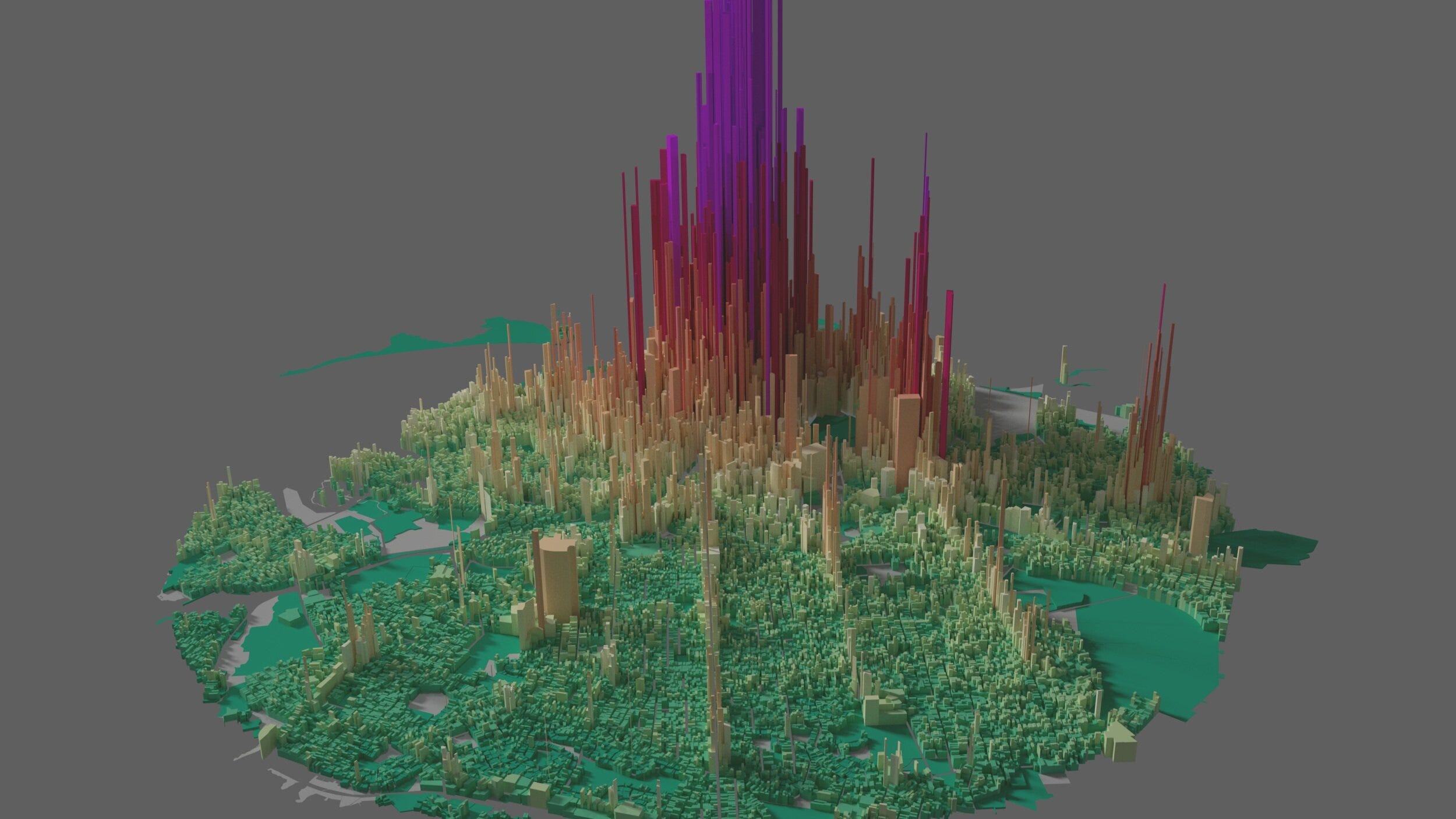
But the pattern is vicious. People come for work, park, and then commute back home. And so downtown has beats like a machine.
- Morning rush.
- Lunch spike.
- Evening exit.
- Then silence.
In between those times, the streets flatten. This is not a neighborhood. Without people living here, it’s a business park.
And to support this pattern, we reshape the city itself: wide roads, endless parking, and entire blocks hollowed out to store cars instead of people. You can see it clearly in places like Atlanta and Kansas City.
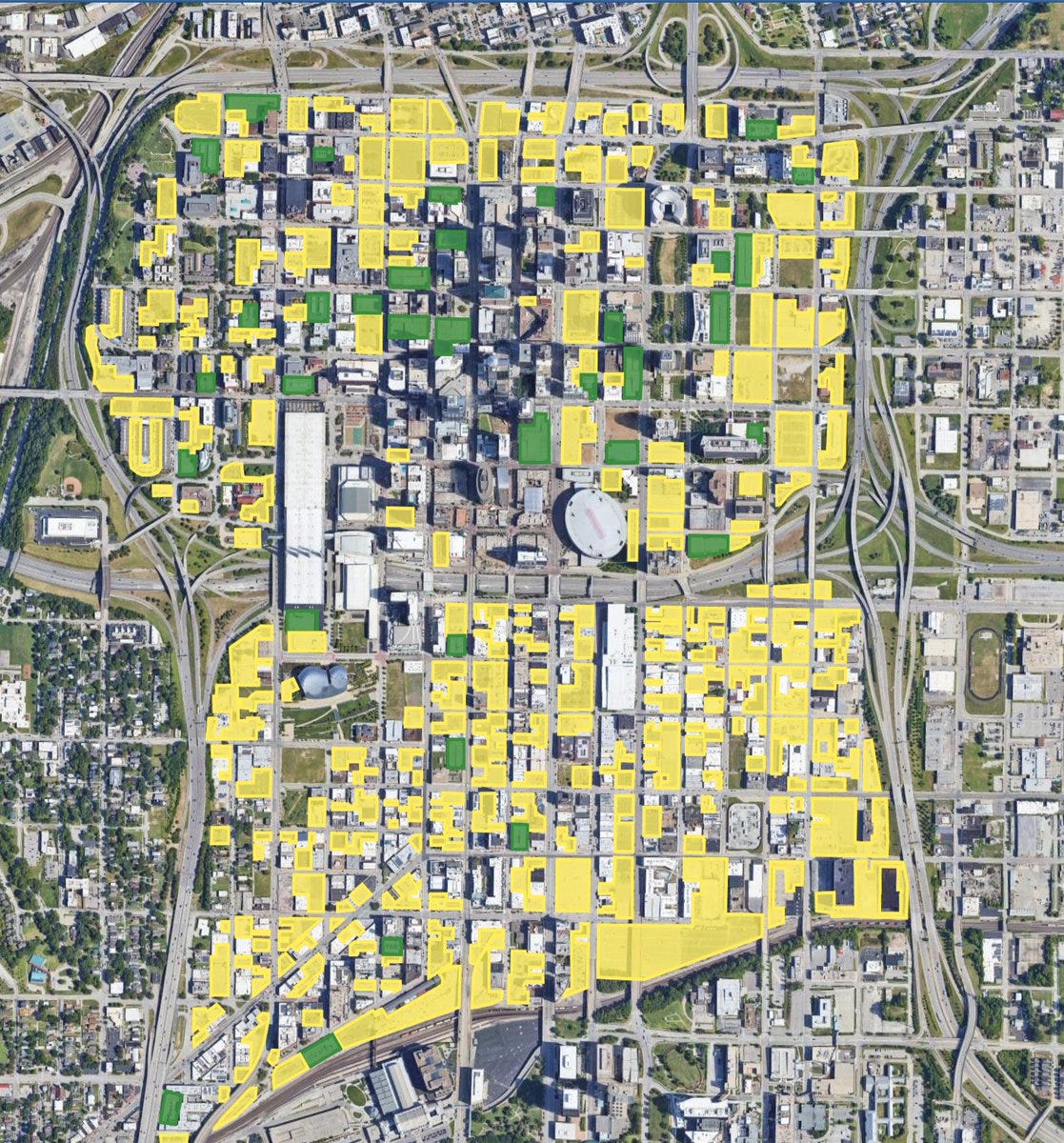
We built a system to move workers, not to sustain life. And when the workers leave, there is no one left to care.
This creates a lack of what Jane Jacobs called “eyes on the street.” If people don’t live there and the streets aren’t animated by everyday life, the space becomes unmonitored. There is no natural presence to keep things in check.
As a result, cities can become either under-policed, lacking the informal oversight of people living their lives, or over-policed, relying on context-blind enforcement by authorities trying to manage a place that no one truly inhabits.
To combat this, cities try to create a sort of “second shift,” encouraging people to stay or come downtown and extend activity beyond 9–5. This is often referred to as becoming an 18-hour city. The goal isn’t to be the city that never sleeps, but to be a city that stays lively into the evening.
This is where we start programming downtown for play. It’s a good aim, but it still misses the mark.
Play: The Scheduled City
The idea is to increase dwell time by adding reasons to come and play downtown.
- A signature park.
- A stadium.
- An aquarium.
- A museum.
Tens of millions of dollars directed toward experiences.
This is not entirely unsuccessful. Chattanooga leveraged big projects to mount a comeback that is the envy of other cities. Think of it like an emergency defibrillation in a hospital. You know, where a doctor yells “clear” and uses paddles to shock a patient? It can bring them back to life. But if your city constantly needs defibrillation to stay active, that’s a problem, just like it would be in real life.
If life stops when festivals and events stops, then something’s off.
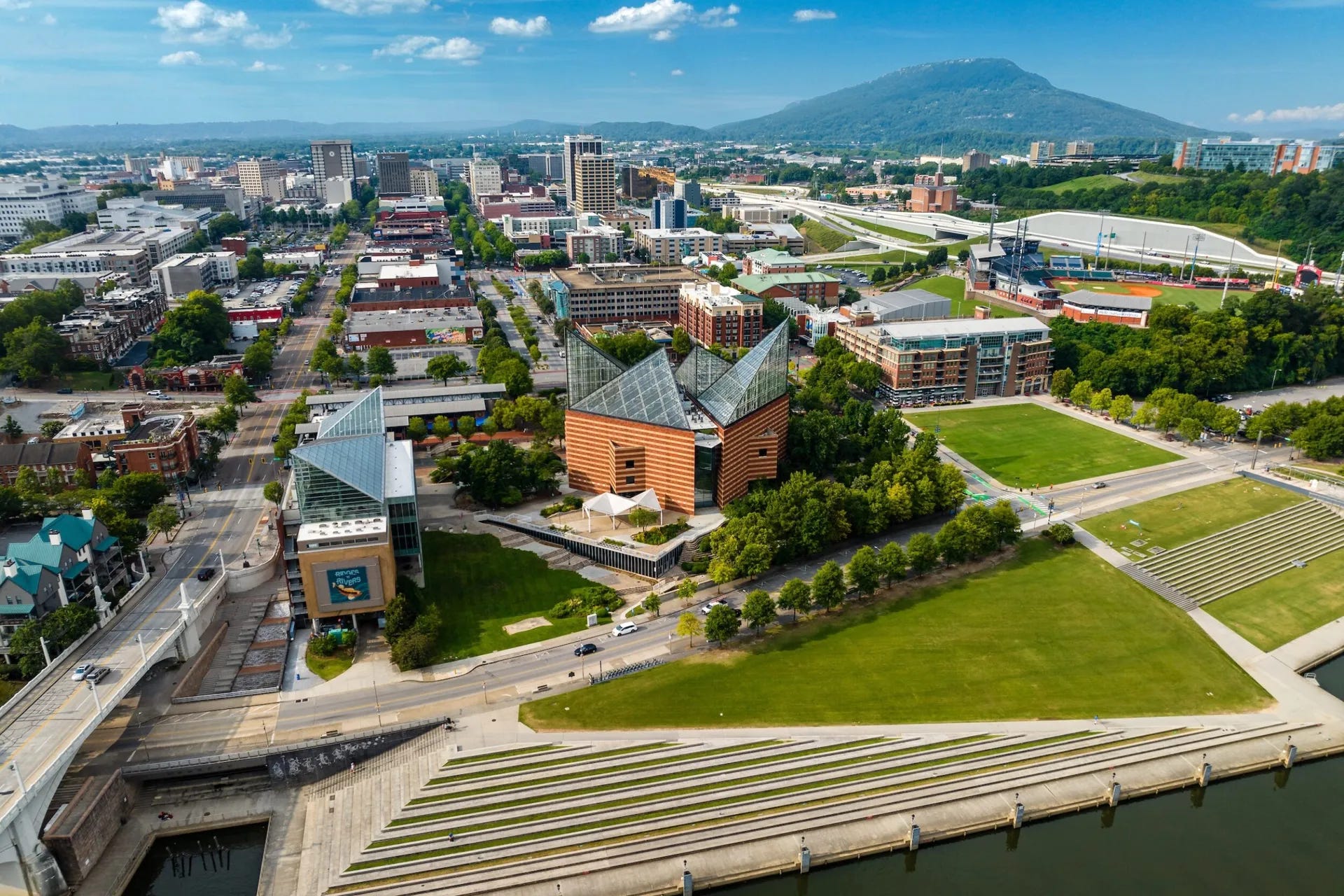
Parks without nearby residents become empty after peak hours. And parks can be dangerous. They’re dangerous not because people are there, but because the right people are absent. As mentioned in the work portion, research consistently shows that active, well-used public spaces are safer because of regular presence, not just enforcement.
Another negative pattern is that in order to justify these big expenses, we have to see them as THE thing. One big park instead of many small ones. One destination instead of many neighborhood spaces. It creates this sort of consolidation aspect: there’s not skate parks, there’s one big one downtown.
Which means access depends on mobility: a kid with a car gets a park, while a kid without one gets nothing.
And because these spaces are large and expensive, they become fixed. Controlled. Hard to change. If you don’t like it, it doesn’t matter. It’s the only one you’re going to get for decades.
Live: The Missing Piece
This is the strangest part. American downtowns look dense but very few people actually live there.The skylines suggest life stacked vertically.
In fact, many U.S. downtowns have relatively small residential populations compared to their job density. One analysis of the 45 largest downtowns found they contain about 11–12% of regional jobs but only around 1.8% of residents.
The buildings are tall, but not for people. They are tall because land where you can build interesting things is scarce, because zoning restricts where intensity is allowed. So if it’s the only place you can build, you build big. Not out of real necessity, but out of artificial constraint. And those buildings are not for small life. You will not find a cobbler in a skyscraper. Or a corner ice cream shop on the 32nd floor. You find institutions like banks, corporations and tech headquarters.
Which creates an illusion where downtown looks full, but it is not lived in. And culture only happens where people live. It’s why downtowns and business centers usually lack a sense of place. At best they create facsimile of culture.
If you see litter in front of your house, you’re apt to pick it up. If you see it at Disney land, you expect an employee to do so. When our downtowns became a destination ONLY then they lose that sense of ownership. The problems are meant to be purely addressed by management: in this case, the city.
Managing Urban Playgrounds
To be clear, this isn’t to say that all neighborhoods will inevitably become a downtown. They are a different iteration of a neighborhood, but not an inevitable final form. City centers will always be an exaggerated version of other neighborhoods, but they should still function as neighborhoods. Yes, they have more outside visitors, but they should still have a steady population.
And conversely, neighborhoods need services within reach, their own small commercial nodes like a downtown.
The reason these places become experience zones, or playgrounds, often comes from good intentions. Cities try to bring life back with investment.
And many of them work, at least for a while. But they fail in a long-term way. Like seeds planted in hard clay, the problem is not the seed. The problem is the soil. Without people living there, the ecosystem cannot sustain itself.
If someone is in a horrible crash and needs resuscitation or a major organ transplant, they should get it. But as their health improves, their needs change.
A downtown that needed a huge investment to bring it back to life needs smaller interventions as life returns. What if we gave a car crash patient another major organ transplant instead of physical therapy?
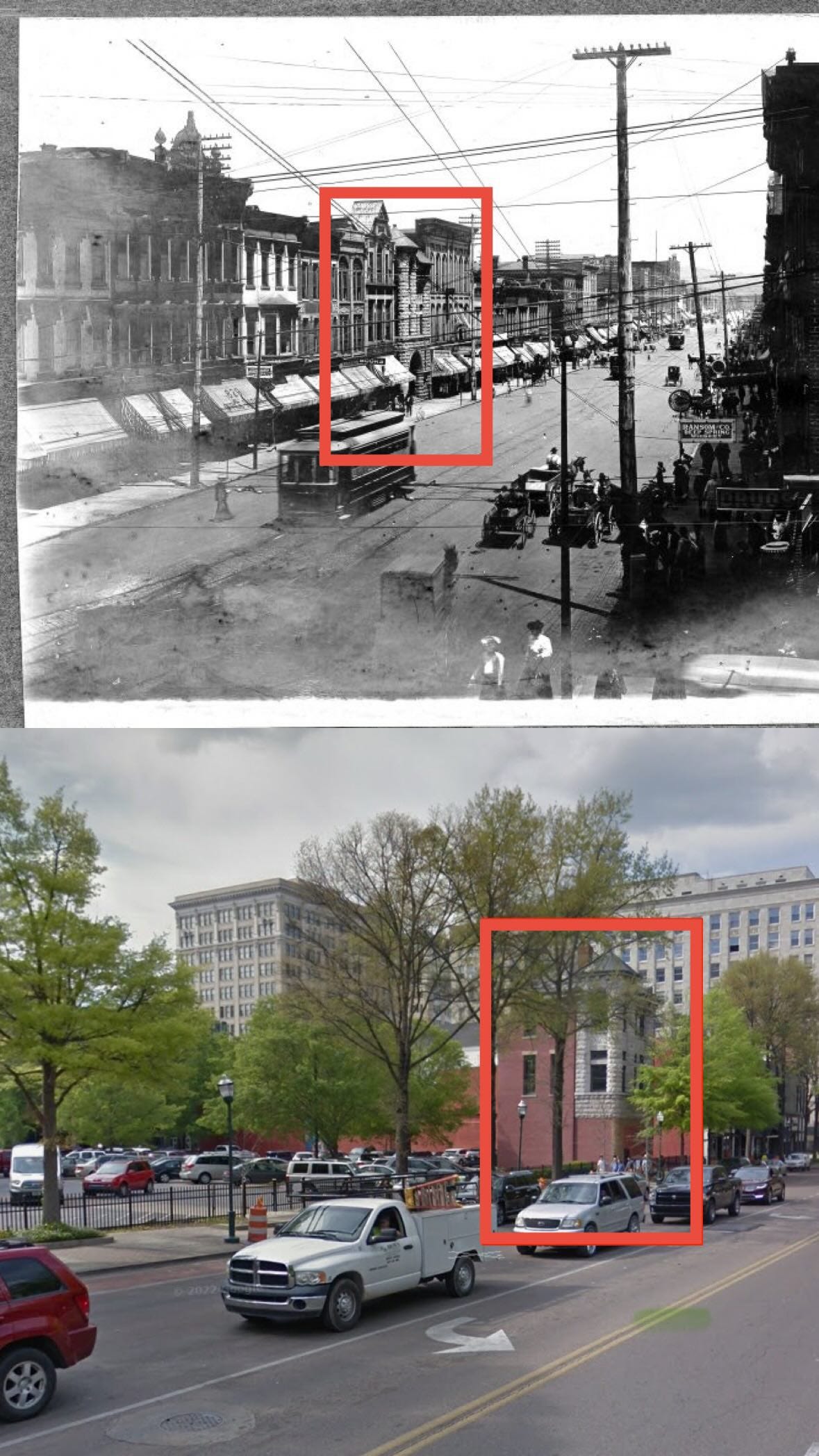
If we want a living kind of downtown, we have to choose it. We have to build for residents, not just visitors. We have to allow more housing, more small spaces, and more everyday life. And that requires political will. It means prioritizing the people who will live there over the people who occasionally visit, even when those visitors feel like they belong, even when they say they are from the city.
City centers should be places people live, not just places visitors visit. And you know what? That brings visitors. Paris is popular because it is a place that feels lived in. D.C. (especially the mall) feels anemic because it’s empty of real life; it’s embassies and monuments.
I think the first move in all of this is to get people living downtown.
[[divider]]
This article was originally published, in slightly different form, on Strong Towns member Jon Jon Wesolowski's Substack, The Happy Urbanist. It is shared here with permission.
Jon Jon Wesolowski is an avid urbanist who enjoys decoding what makes a space great. Across his two TikTok channels, his videos discussing urbanism and Chattanooga have garnered more than 3.2 million likes and 325k followers. He recently returned from spending seven months abroad, exploring cities and documenting what makes spaces great. He is excited to bring those ideas back to Chattanooga in tactical ways.
%20(1).avif)
%20(1).avif)
%20(1).avif)
.avif)
