The latest ideas, insights and action from around the Strong Towns movement.
Featured
Top Stories
.webp)
Lorem ipsum dolor sit amet, consectetur adipiscing elit. Suspendisse varius enim in eros elementum tristique. Duis cursus, mi quis viverra ornare, eros dolor interdum nulla.
.webp)
Lorem ipsum dolor sit amet, consectetur adipiscing elit. Suspendisse varius enim in eros elementum tristique. Duis cursus, mi quis viverra ornare, eros dolor interdum nulla.
Lorem ipsum dolor sit amet, consectetur adipiscing elit. Suspendisse varius enim in eros elementum tristique. Duis cursus, mi quis viverra ornare, eros dolor interdum nulla.

Lorem ipsum dolor sit amet, consectetur adipiscing elit. Suspendisse varius enim in eros elementum tristique. Duis cursus, mi quis viverra ornare, eros dolor interdum nulla.
.webp)
Lorem ipsum dolor sit amet, consectetur adipiscing elit. Suspendisse varius enim in eros elementum tristique. Duis cursus, mi quis viverra ornare, eros dolor interdum nulla.
Latest Podcasts
(Transcripts Included)
How Floor Plans Drive Families from Cities (and What Helps Them Stay)
Bringing the Strong Towns Conversation to a Growing City
Is Crowdfunding A Good Way To Fund Local Projects?
Latest Stories

Wisconsin offered a $3 billion dollar subsidy to Foxconn and were promised a $10 billion factory and 13,000 jobs in exchange. Instead, the locals got three empty buildings, a few hundred jobs, and a mountain of debt. Sorry, Wisconsin. As Ronny Chieng from the Daily Show put it, “You got catfished.”
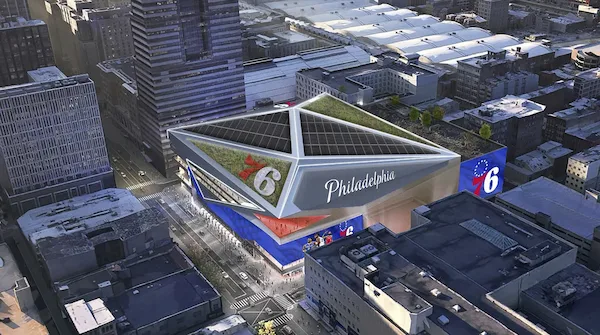
Stadium promises are seductive, but can they unlock real value in the heart of a struggling urban district?
.webp)
This Maryland makeover is a cautionary tale of where “Complete Streets” fall short.
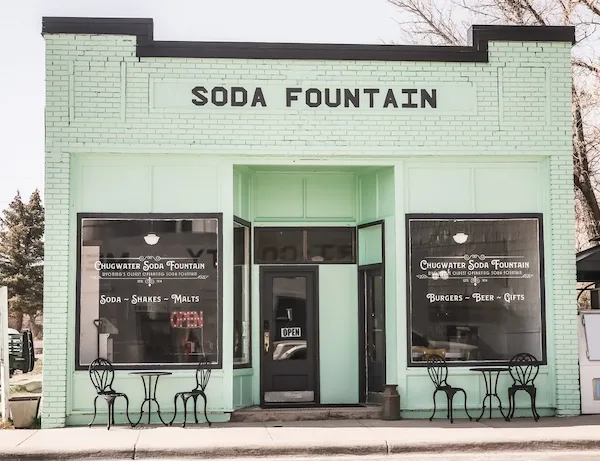
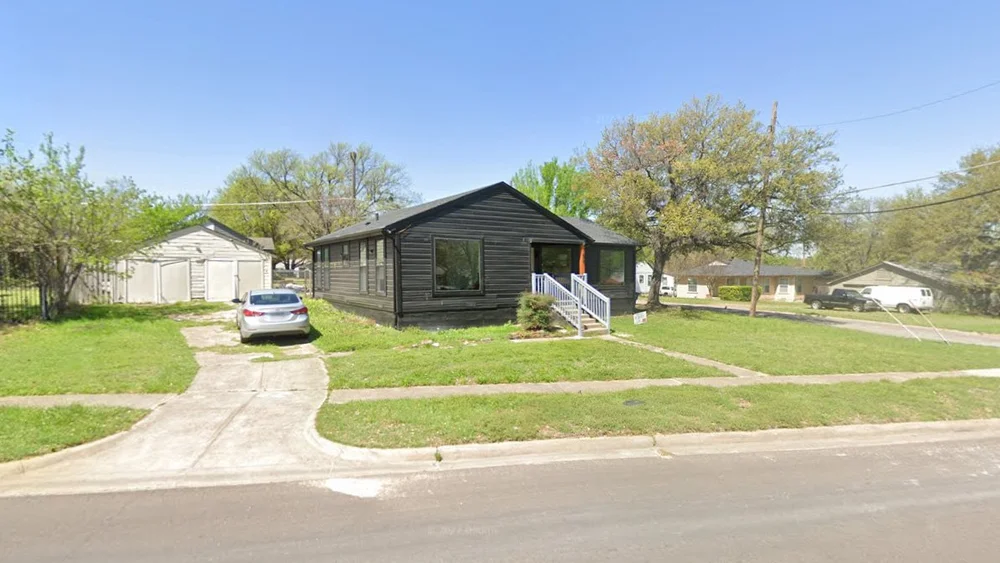
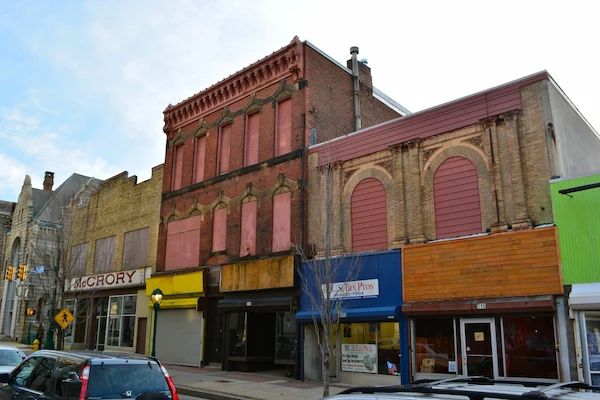
This is what happens when a city cares more about decades-old requirements than the small businesses trying to bring life to a neighborhood.
.webp)
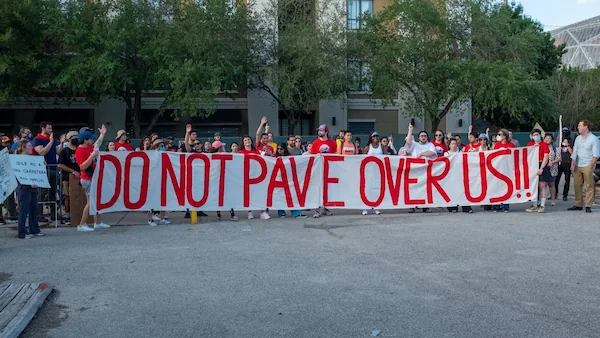
The federal government promised to undo past harms. Advocates are disillusioned.
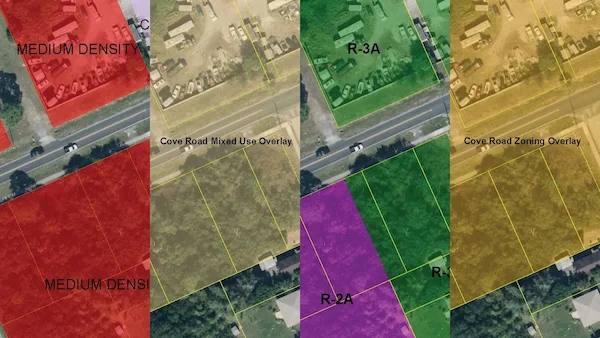
"The art of a successful redevelopment project is understanding the regulations and the process for approval of the project."
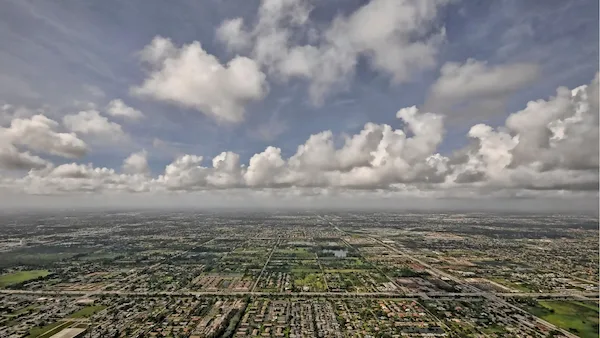
“We can’t just convert stroads into streets or roads... we need to change the land-use around these stroads."
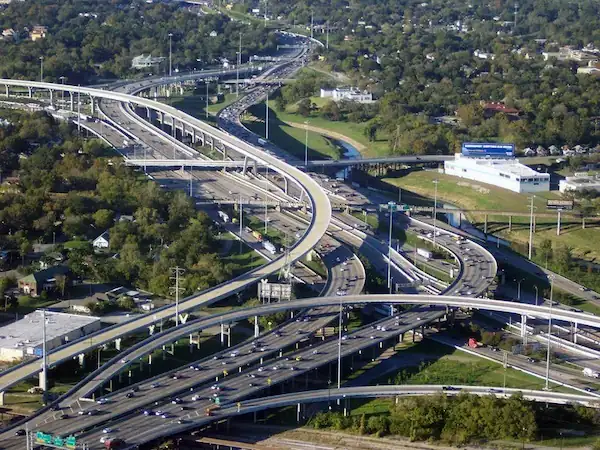
“Once surrounded by homes, the residents of Kelly Village now lived at the confluence of—almost underneath—two major highways."

"Cities can be so wonderful for so many people. Let’s not screw this up."
.webp)
What a town in Indiana can teach us about bottom-up building.
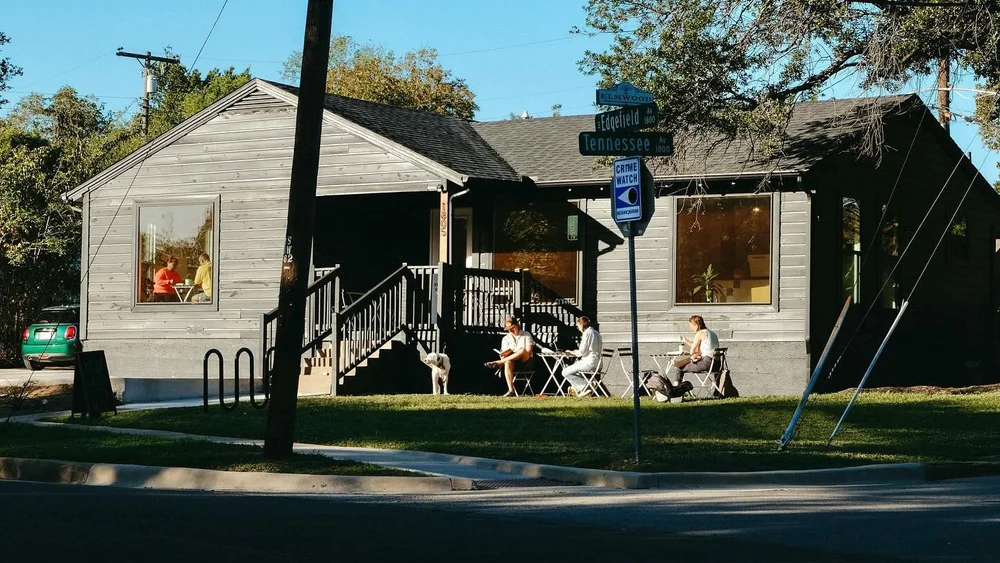
What if the only way to open your dream cafe involved demolishing half of it?
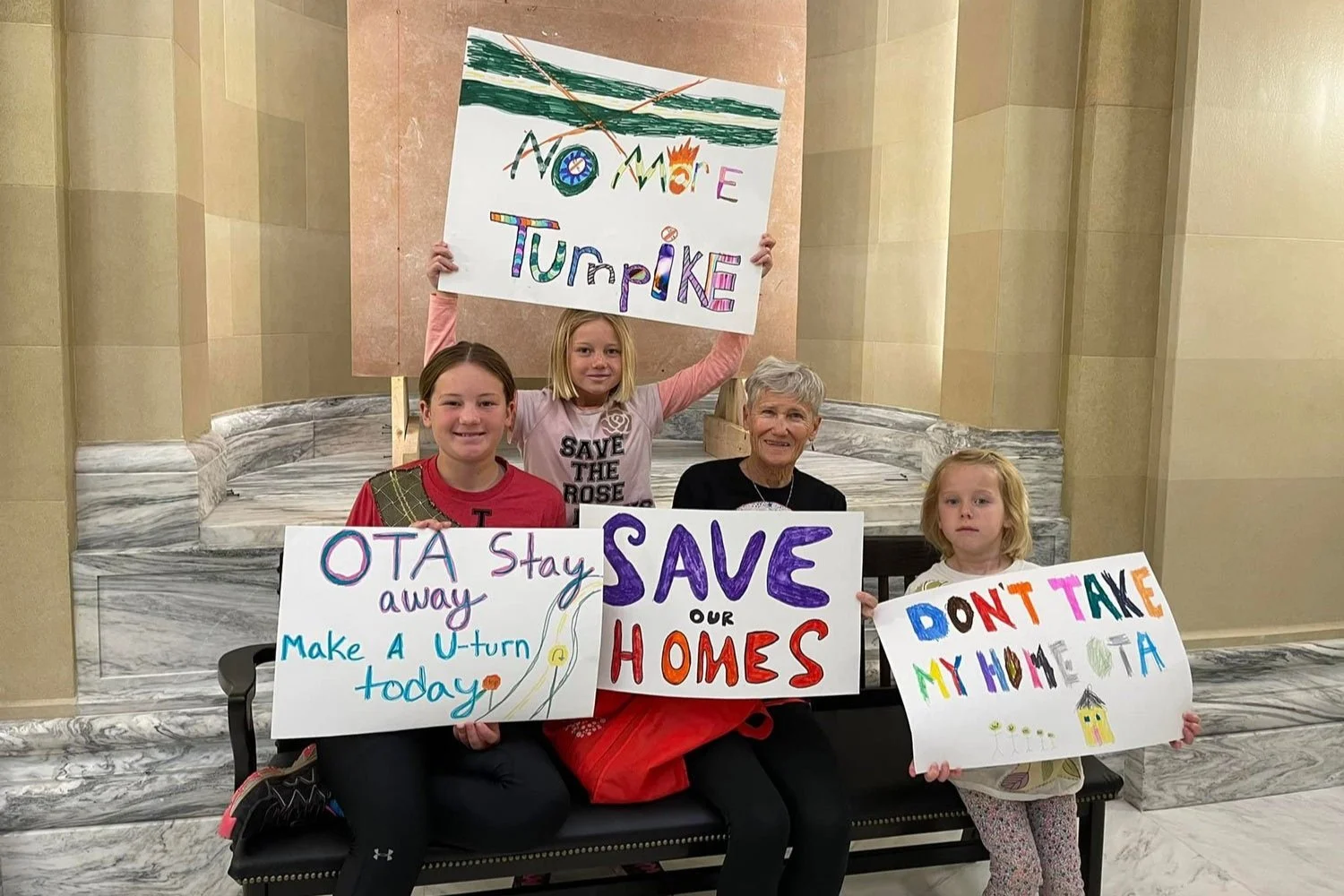
Oklahoma residents discovered their homes were in the path of a massive highway expansion through local news, not official channels. Now a court has ruled the turnpike authority deliberately misled the public.
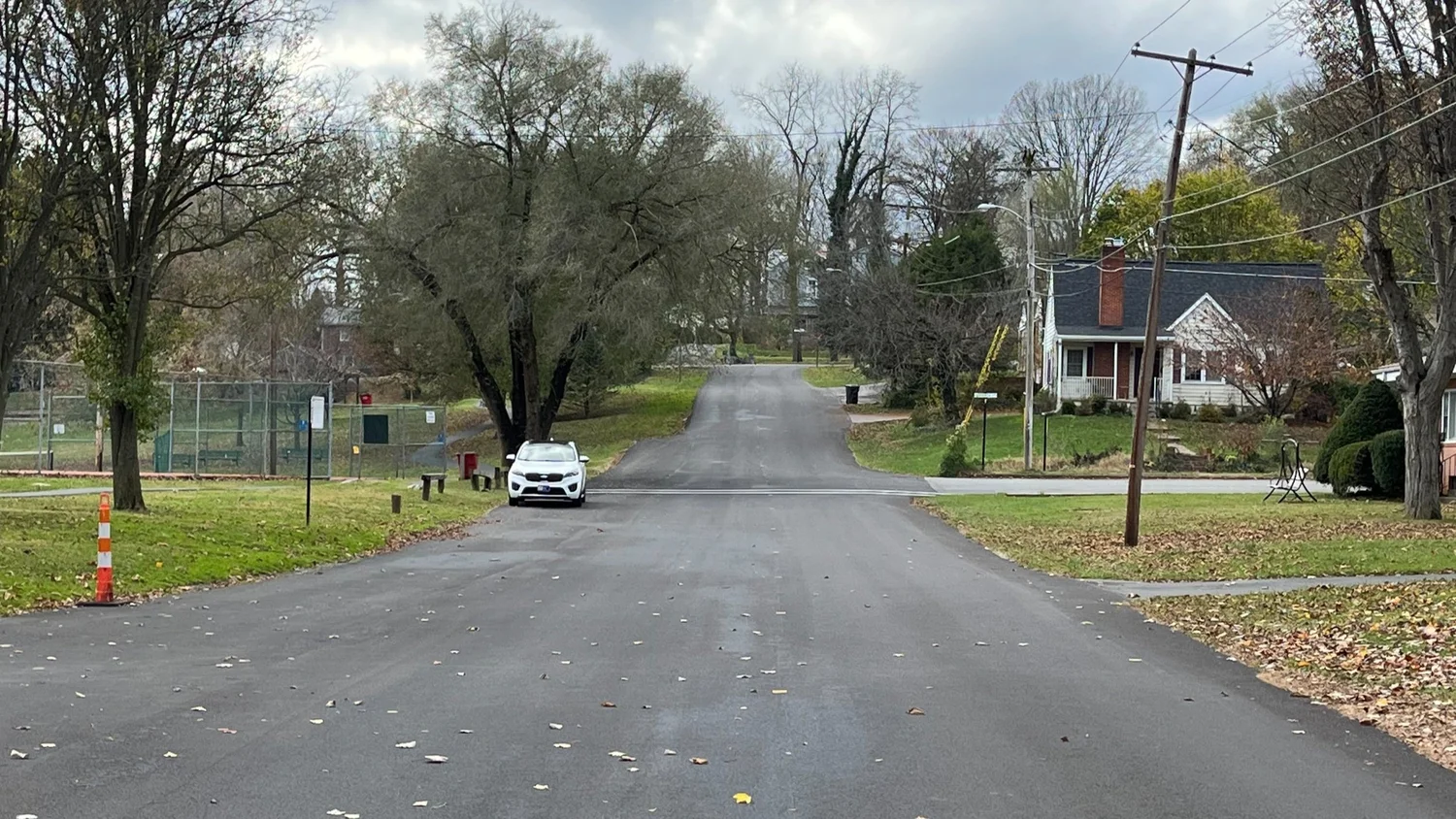
Sometimes all you need to make a street less dangerous for kids is a tape measure, paint roller, and a few hundred dollars of road paint.

In 2019, my basket of cookie baking ingredients cost $49.94. In 2022, that same basket costs $64.48.
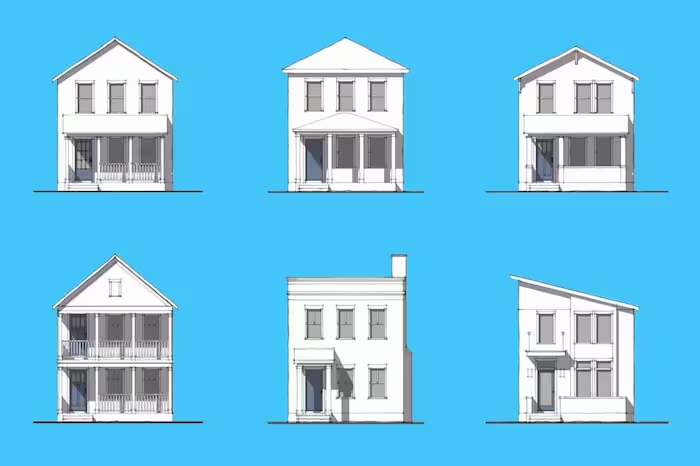
While other places keep finding ways to say “no” to new housing, this Indiana city is offering pre-approved development templates to small-scale developers at no cost.
“Who is the first, or next, person, business, or entity that is going to come in and make something of this place? What does that wave of succession look like? And are we allowing that action to occur?”
"So, here's the problem..." Transit is a wealth accelerator. Why aren't we thinking of it that way?
A top-down approach to addressing accidents fails to make streets safer. A local approach could change that.
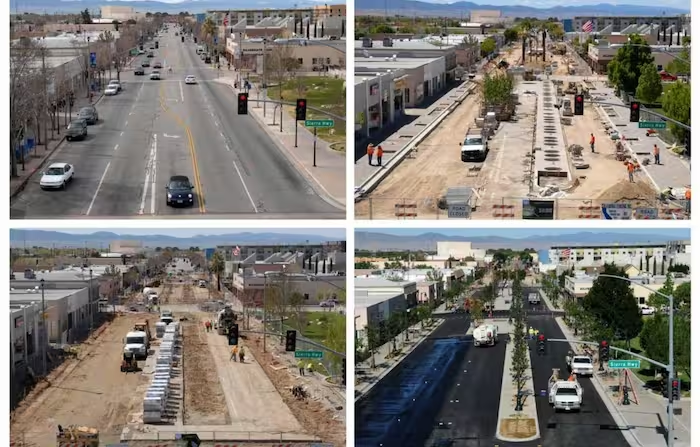
There are thousands of stroad sections in the US. Transforming a good number of them is important to to the goal of improving quality of life and mobility in cities and towns.
Building affordable housing seems like a win for cities struggling in the Housing Trap. But between its top-down nature and the public subsidies it requires, affordable housing can actually make things worse.