The latest ideas, insights and action from around the Strong Towns movement.
Featured
Top Stories
Lorem ipsum dolor sit amet, consectetur adipiscing elit. Suspendisse varius enim in eros elementum tristique. Duis cursus, mi quis viverra ornare, eros dolor interdum nulla.
.webp)
Lorem ipsum dolor sit amet, consectetur adipiscing elit. Suspendisse varius enim in eros elementum tristique. Duis cursus, mi quis viverra ornare, eros dolor interdum nulla.
.webp)
Lorem ipsum dolor sit amet, consectetur adipiscing elit. Suspendisse varius enim in eros elementum tristique. Duis cursus, mi quis viverra ornare, eros dolor interdum nulla.
Lorem ipsum dolor sit amet, consectetur adipiscing elit. Suspendisse varius enim in eros elementum tristique. Duis cursus, mi quis viverra ornare, eros dolor interdum nulla.
Lorem ipsum dolor sit amet, consectetur adipiscing elit. Suspendisse varius enim in eros elementum tristique. Duis cursus, mi quis viverra ornare, eros dolor interdum nulla.
Latest Podcasts
(Transcripts Included)
How Floor Plans Drive Families from Cities (and What Helps Them Stay)
Bringing the Strong Towns Conversation to a Growing City
Is Crowdfunding A Good Way To Fund Local Projects?
Latest Stories
Towns that are designed for cars instead of people experience serious challenges that negatively impact small businesses, community health, and financial success for everyone.
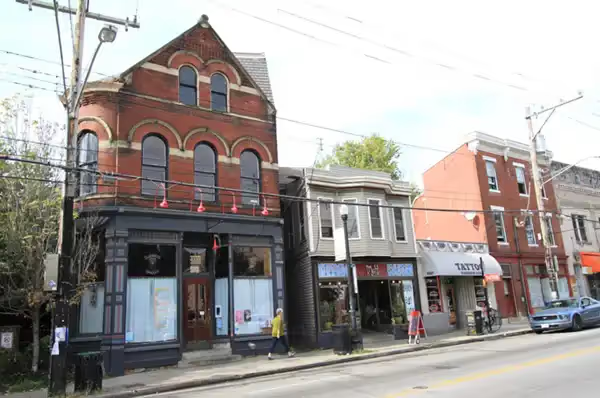
There's a big difference between these two types of development and one will create a far better outcome for our cities.

What a children's book can teach us about land value.
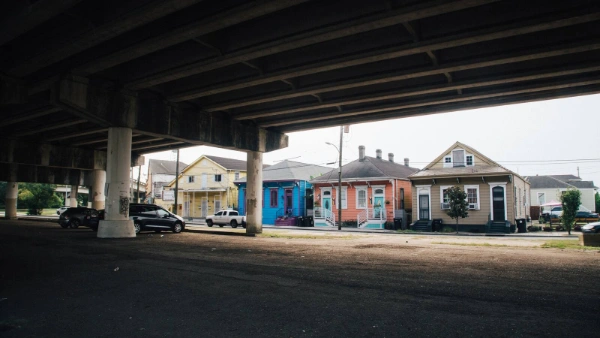
Step-by-step growth built our greatest cities. So why do we keep reaching for silver bullets instead?

We can make low risk, high returning investments in our cities while improving the quality of life for people, particularly those who are not benefiting from the current approach.

Problems have solutions. Predicaments have outcomes. We're in a predicament.
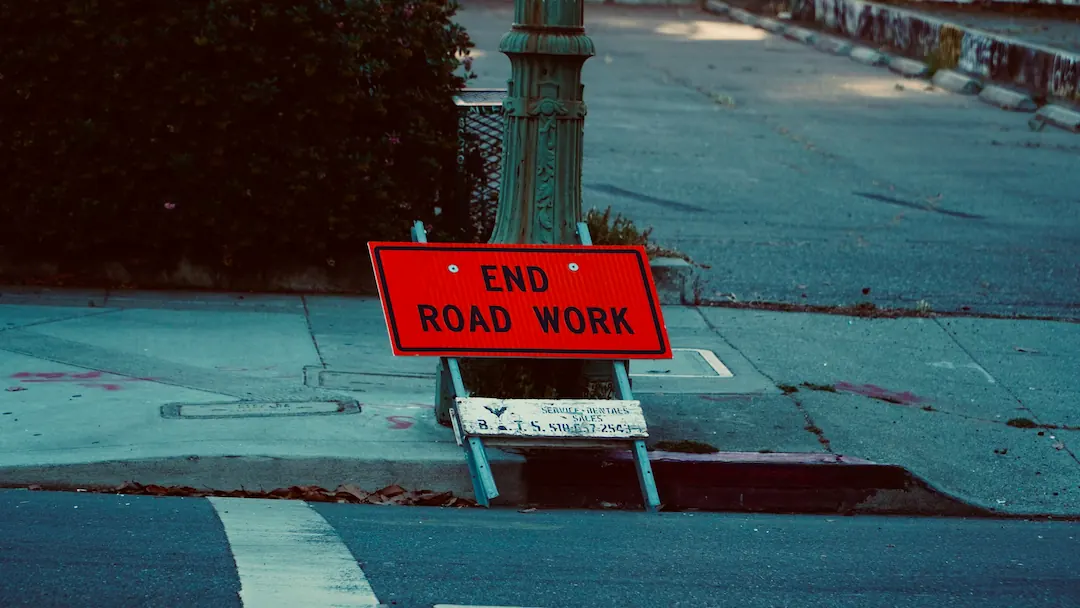
The United States spends a lot of money on infrastructure. So then why is most of it failing?
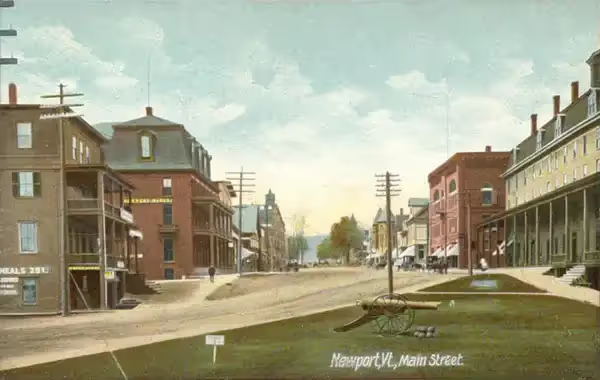
It was going to be great, but it didn't turn out like the planners said it would.

Respected economists know that investing in infrastructure clearly makes us richer. It's obvious. No further discussion needed... Respected economists are wrong.
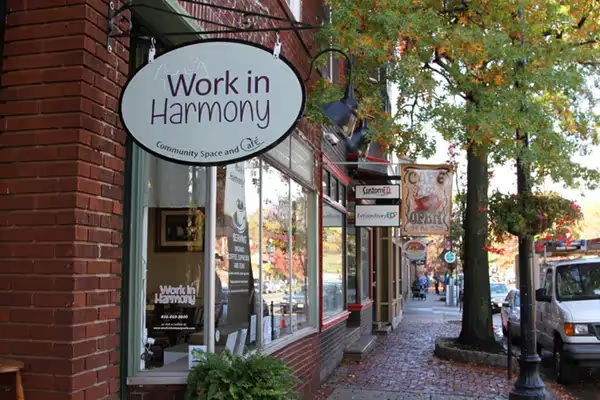
A strong town needs strong local businesses.
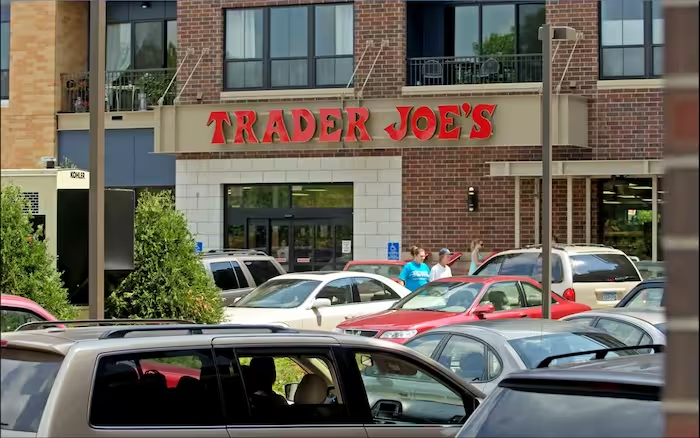
Notoriously bemoaned, Trader Joe's parking lots are known for their small size, tight spots & limited maneuvering areas. But that's actually a much better model than the wasted space that most grocery stores have in their parking lots.
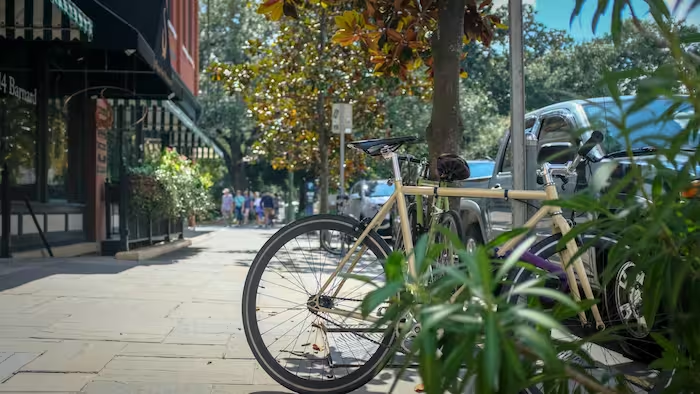
6 principles for building stronger and more prosperous places.
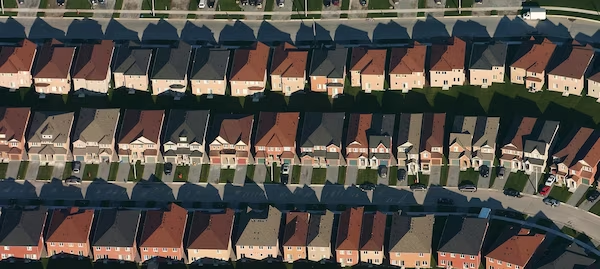
What combination of increase in private investment and downsizing of public investment will give my city a private to public investment ratio of 30:1?
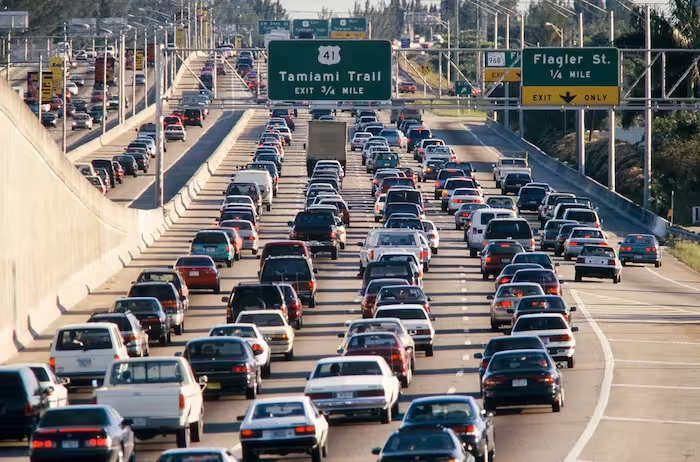
Walkable, human-oriented communities tend to be the happiest and healthiest, where the younger generation is looking to live, and the most financially productive types of places to build and retain. Creating human oriented communities is the essence of creating a Strong Town.

When transportation professionals shrug off recurring dangers, they signal that preventable deaths are acceptable collateral.
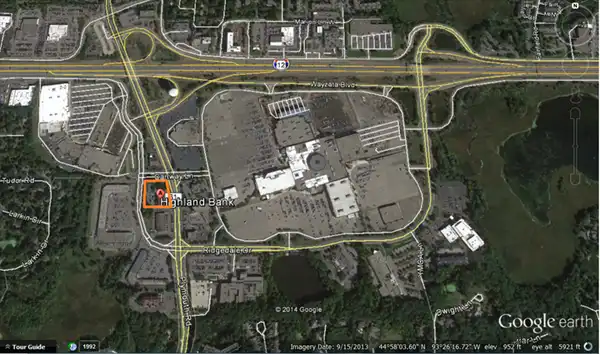
Aging suburbia is going through an identity crisis. Existing residents would like the place to stay much the same. New residents, including those who don’t live there yet, are demanding something else. The problem is that these places can’t continue to stay the same. Yet, the change is too difficult for many to swallow. This is why the default for most suburbs is decline. Growth isn’t built into their DNA.