Browse
.avif)
You don't have to love your neighbor if you don't have any.
.avif)
.avif)
You can’t plan a community into existence.
%20(1).avif)
Real change happens when inside nudges meet outside pressure.
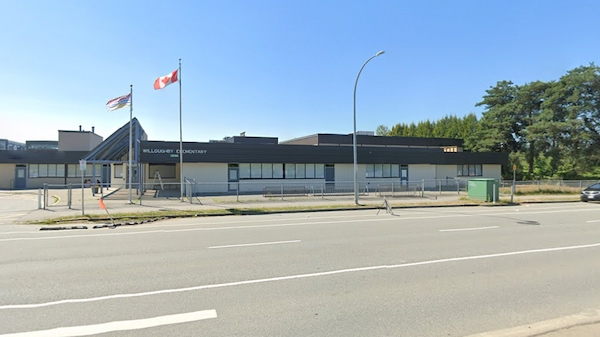
A land swap in Langley, British Columbia, shows how early planning assumptions can create long-term problems for growing neighborhoods.
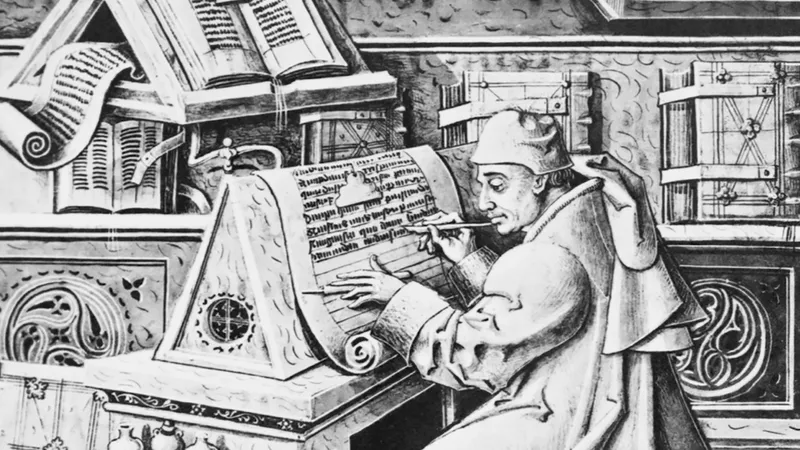
The invention of the printing press democratized access to information. With that came a lot of uncertainty.
Across the country, it’s clear that what truly makes a city resilient isn’t the plans, grants, or programs—it’s the people who care for one another and invest in their communities.

When homes are priced beyond what local incomes can sustain, the system stretches the debt instead of fixing the root problem.
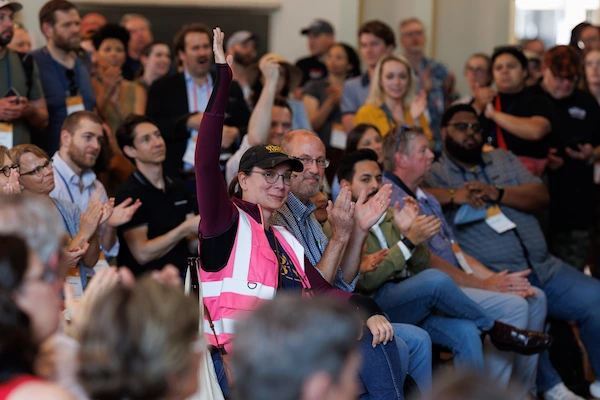
Strong Towns is more than ideas. It’s a movement powered by members taking real action in their communities.
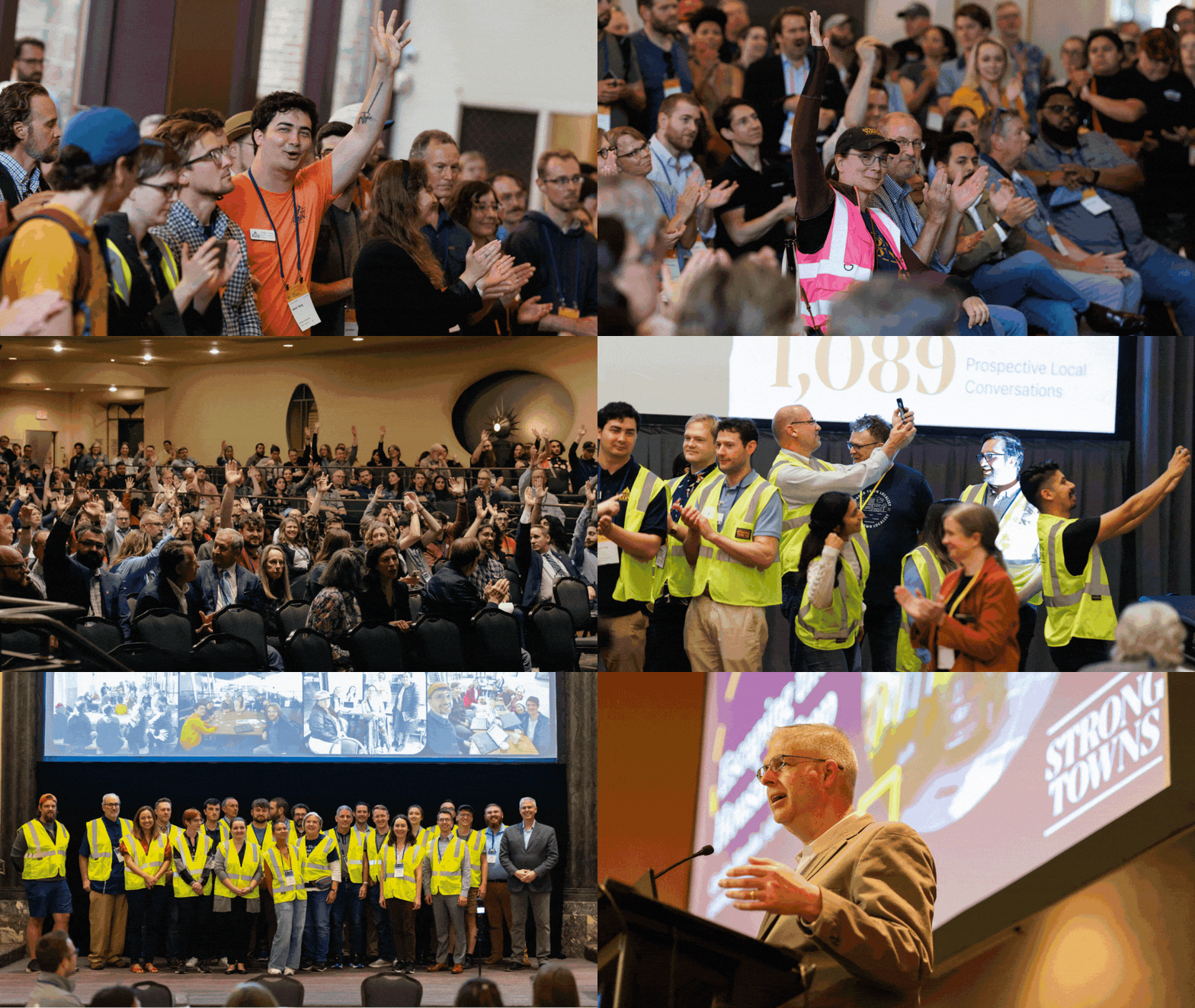
In 2008, Strong Towns was just a small blog with a big question; by 2025, it has become a nationwide movement with hundreds of local groups making real change on the ground. Things have changed in countless ways, yet the core mission has never been clearer.
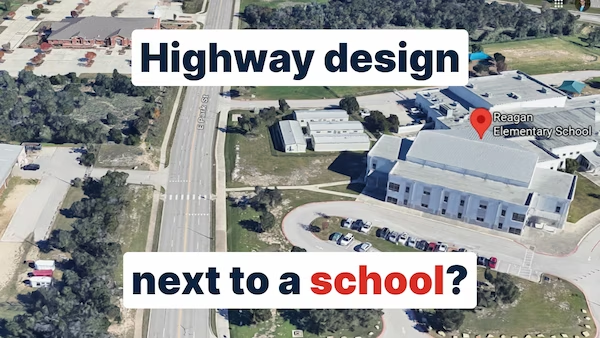
Advocates in Cedar Park, Texas, used publicly available crash data to drive major safety improvements near their schools.
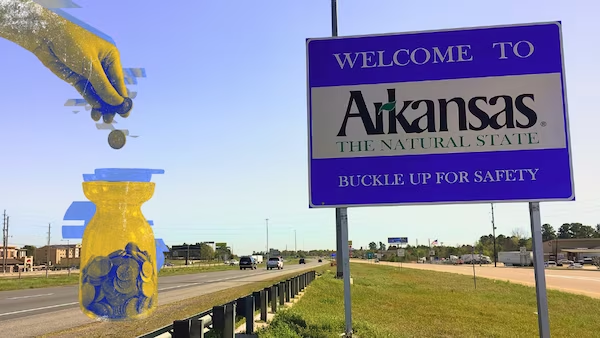
What the Finance Decoder revealed about Fayetteville, Springdale, and Siloam Springs—through the eyes of a local Strong Towns member.

Design doesn’t just reflect our values — it forms them. If we want citizens who are engaged, generous, and resilient, we need places that cultivate those virtues.
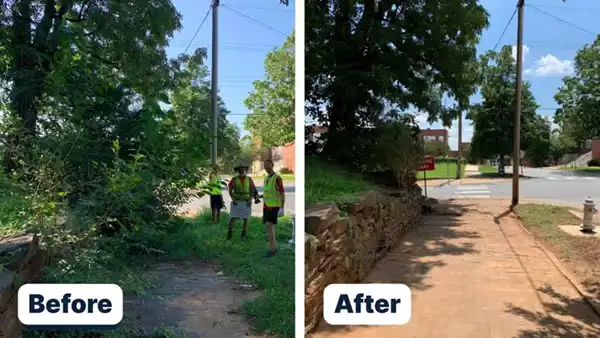
Advocates in Lynchburg, Virginia, are proving that you don't need an official task force to make your city stronger. You just need to care enough to show up.
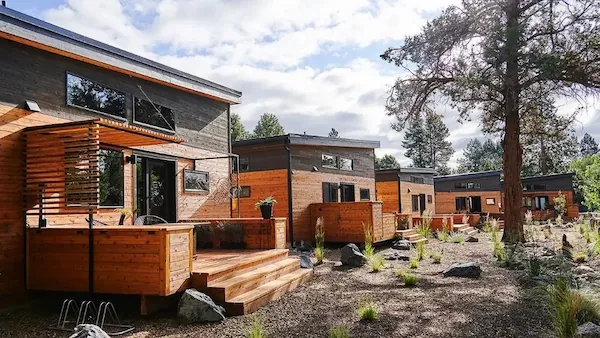
How do you balance urban needs and natural resources?
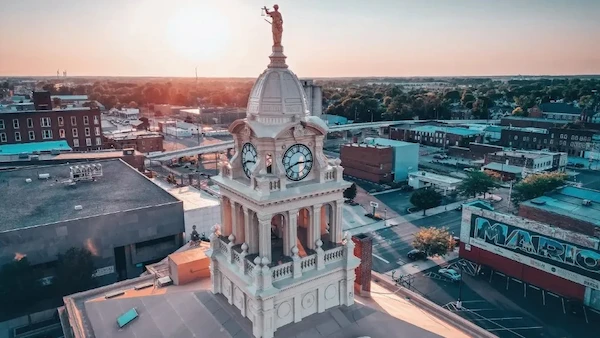
“The real story of Marion isn’t about decline—it’s about response.”
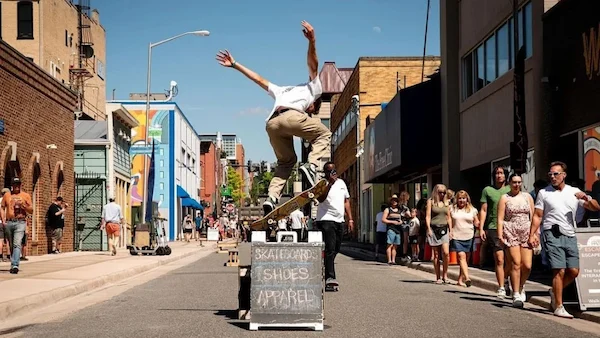
The Strongest Town Contest isn’t a pageant for towns that have “figured it out.” It's about the people and places that keep showing up.
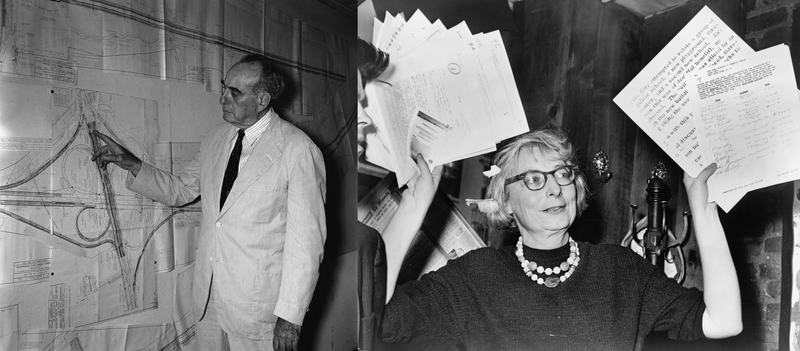
From compact blocks to old-building reuse, Jacobs’ framework offers a path for Southern cities to become financially stronger and more adaptable.
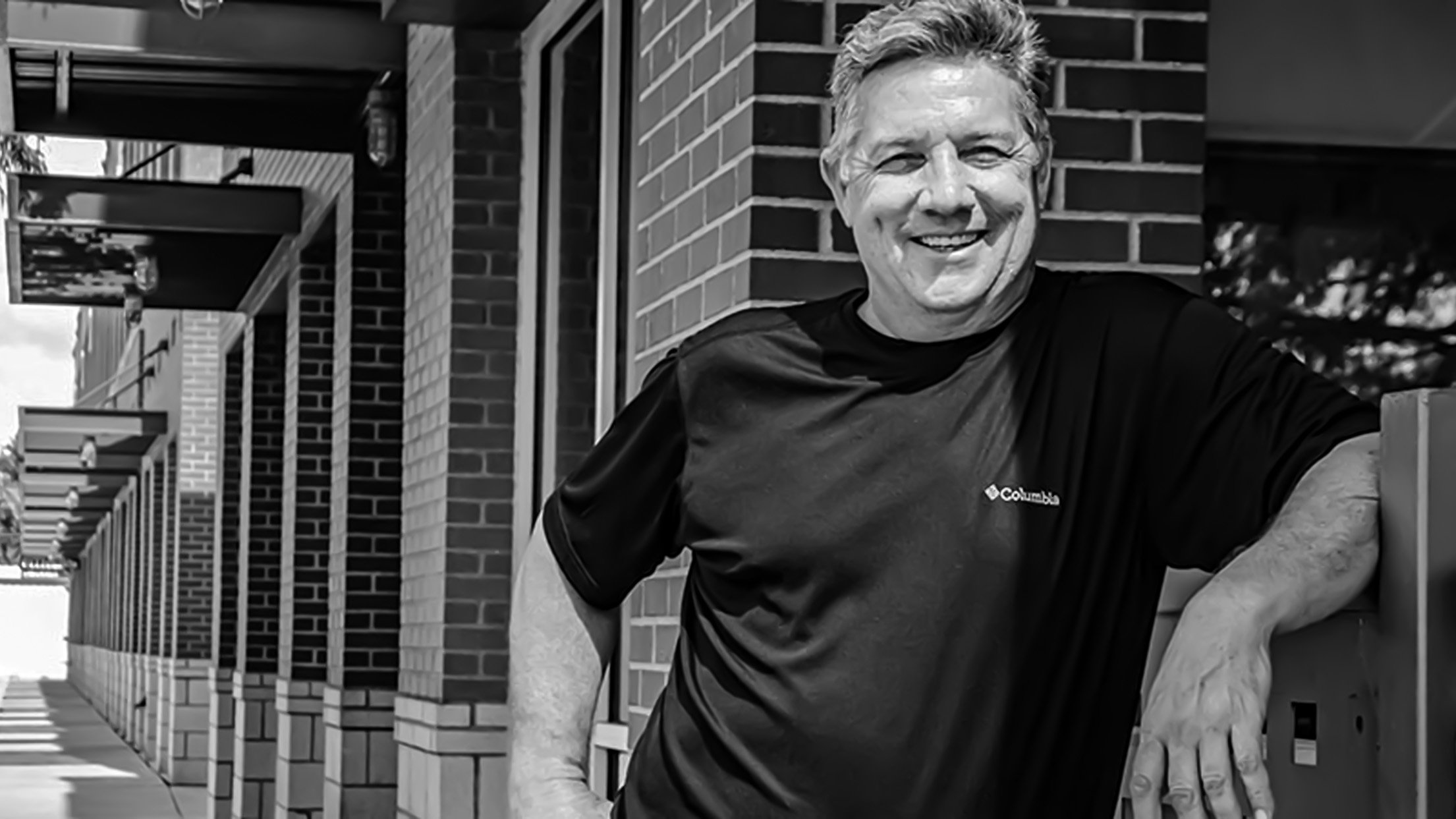
Monte Anderson is a local developer who sees it as his mission to revive his community—not only through neighboring relationships, but also by saving the abandoned and broken spaces.

For urban planner Samantha Carr in Toronto, ON, the first step for inspiring change in her community was to inspire a new way of thinking—and that’s why she’s started the Urban Thinkers Book Club.
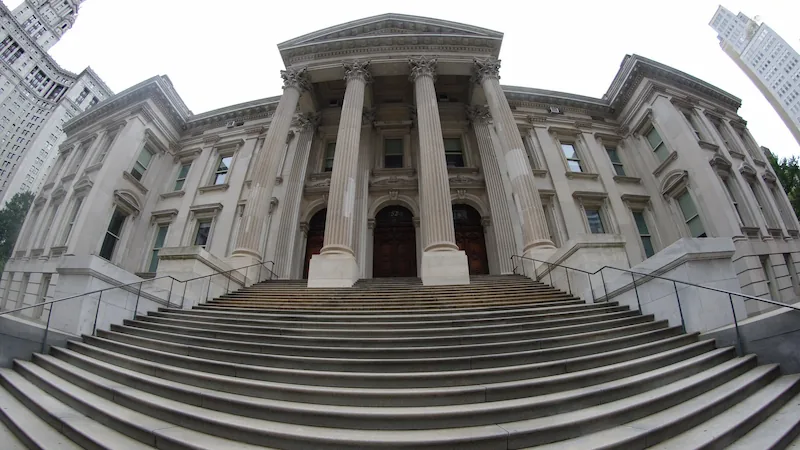
Have you ever been dismissed at city hall when bringing up a persistent issue in your community?

When this Strong Towns member was questioning a road project in his city of Flagstaff, AZ, he looked to fellow advocates on the Strong Towns Facebook group for advice. Here’s what happened.
.webp)
What a town in Indiana can teach us about bottom-up building.
.avif)
This Strong Towns member was skeptical of claims that a speed trap had successfully slowed the cars on a local street…so, he conducted a speed study. Here are his results.