The latest ideas, insights and action from around the Strong Towns movement.
Featured
Top Stories
.webp)
Lorem ipsum dolor sit amet, consectetur adipiscing elit. Suspendisse varius enim in eros elementum tristique. Duis cursus, mi quis viverra ornare, eros dolor interdum nulla.
.webp)
Lorem ipsum dolor sit amet, consectetur adipiscing elit. Suspendisse varius enim in eros elementum tristique. Duis cursus, mi quis viverra ornare, eros dolor interdum nulla.

Lorem ipsum dolor sit amet, consectetur adipiscing elit. Suspendisse varius enim in eros elementum tristique. Duis cursus, mi quis viverra ornare, eros dolor interdum nulla.

Lorem ipsum dolor sit amet, consectetur adipiscing elit. Suspendisse varius enim in eros elementum tristique. Duis cursus, mi quis viverra ornare, eros dolor interdum nulla.
.webp)
Lorem ipsum dolor sit amet, consectetur adipiscing elit. Suspendisse varius enim in eros elementum tristique. Duis cursus, mi quis viverra ornare, eros dolor interdum nulla.
Latest Podcasts
(Transcripts Included)
How Floor Plans Drive Families from Cities (and What Helps Them Stay)
Bringing the Strong Towns Conversation to a Growing City
Is Crowdfunding A Good Way To Fund Local Projects?
Latest Stories

The Trump administration’s elimination of congestion pricing was shortsighted, but NYC’s congestion pricing was deeply flawed from the start. If congestion pricing is ever going to work as intended, it needs to be revamped with the right priorities.
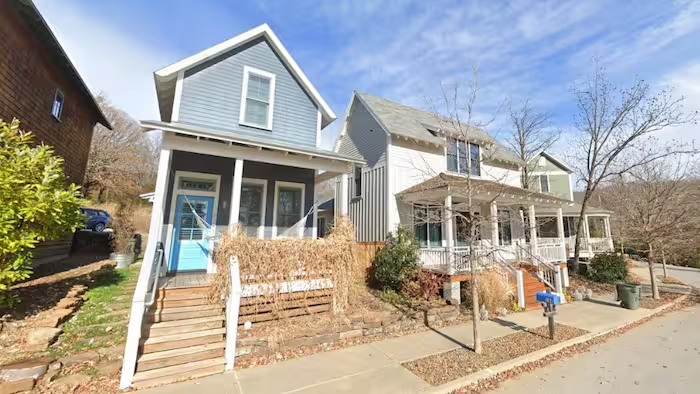
Reducing minimum lot sizes can unlock the potential for smaller, more affordable homes while meeting the needs of the community. Here’s how one developer got community support and multiplied housing availability.

The Federal Highway Administration has a chart full of answers to that question you might find useful.
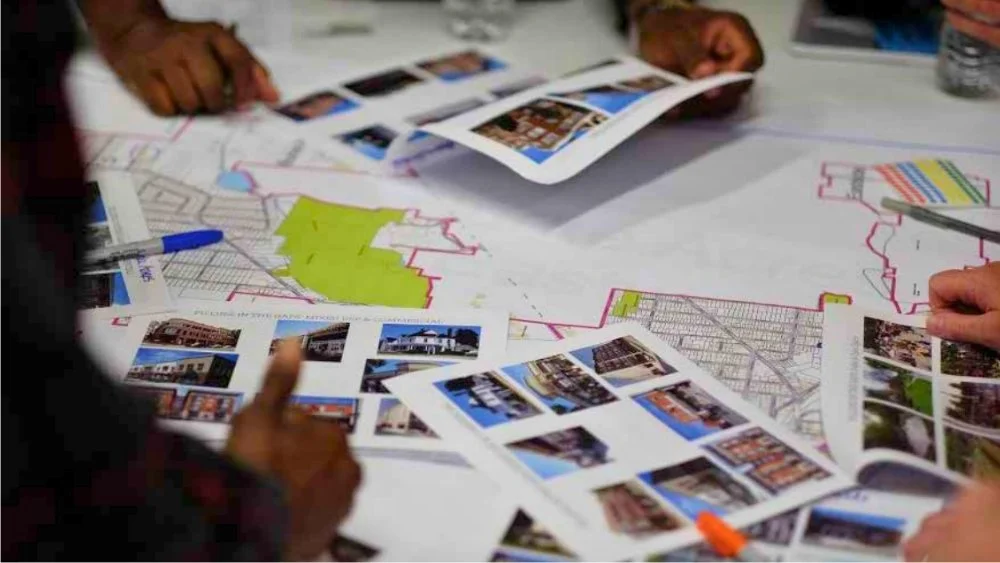
From “impossible” to “let’s see what we can do." This is how Rebekah Kik turned city hall into a launchpad for neighborhood-driven development.
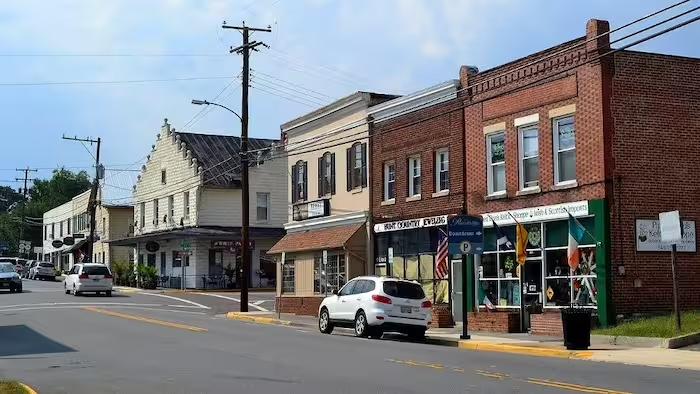
The Growth Ponzi Scheme encourages city governments to take on obligations they can never hope to sustain. Purcellville, Virginia, offers a stark example of where this path leads.
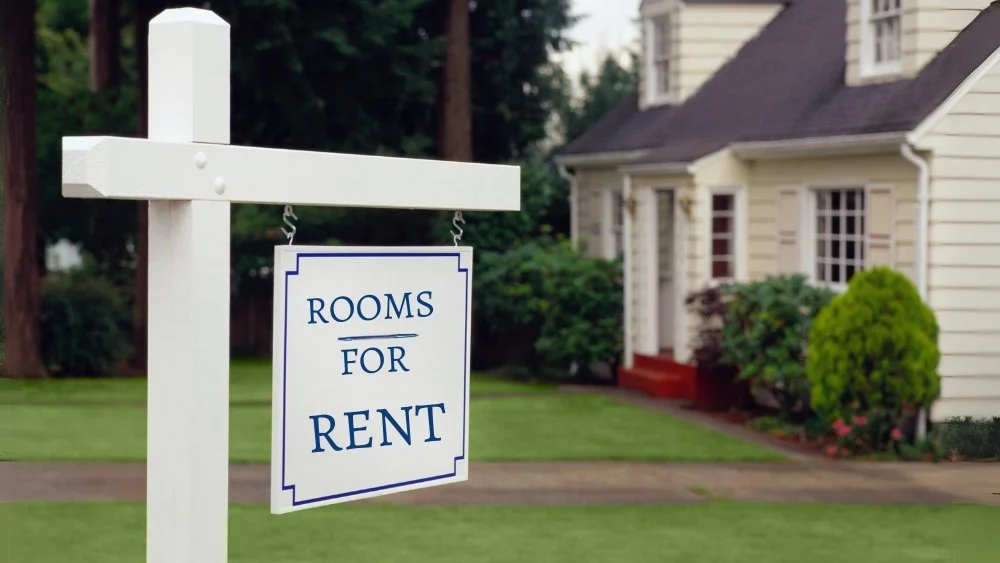
You love your house, where it's located, and your neighbors. But what if it's too big for you?
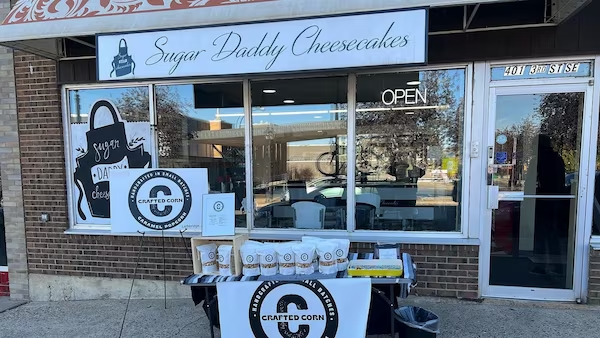
Conventional thought would tell us that the new commercial developments in a city should be the most productive compared to the older buildings downtown, but that’s not necessarily the case.
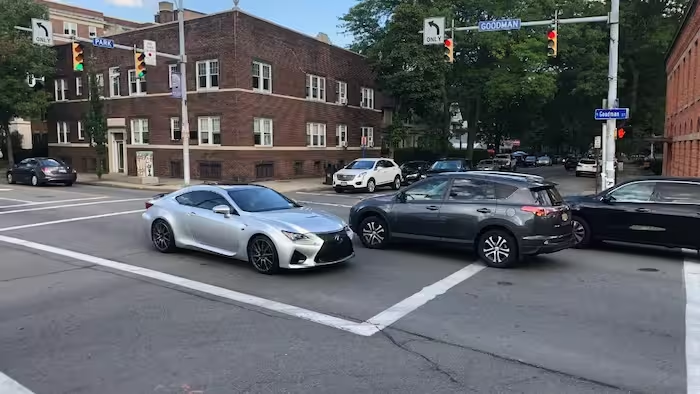
After a fatal crash, Rochester citizens and officials got to work, identifying factors that contributed to the crash, updating street design policies to make streets safer, and establishing a Community Traffic Safety Team to address other dangerous factors before crashes occur.

Incremental doesn’t mean slow. When every neighborhood can build a little, the whole country can build a lot.

This year, official inflation is up 2.6% while the Christmas Cookie Inflation Index rose by 6.2%. What does that mean?
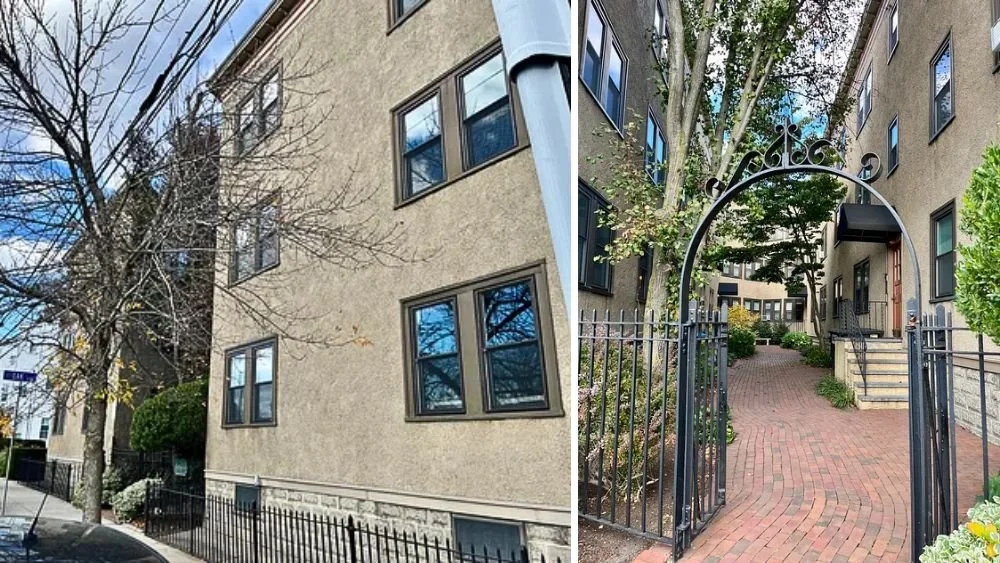
We assumed two stairwells made buildings safer. The numbers say otherwise.
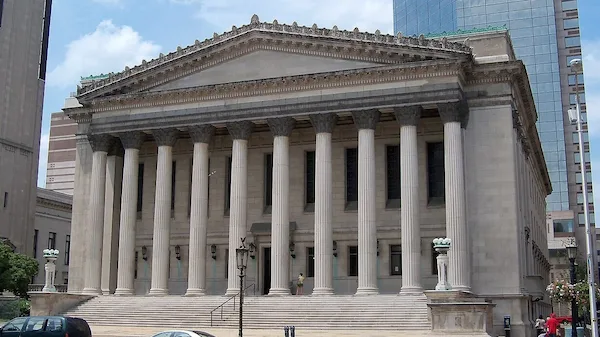
"When we fail to take action, we do a massive injustice to the public that we are supposed to be serving."

“You’re taught to take for granted what shows up in the codes.”
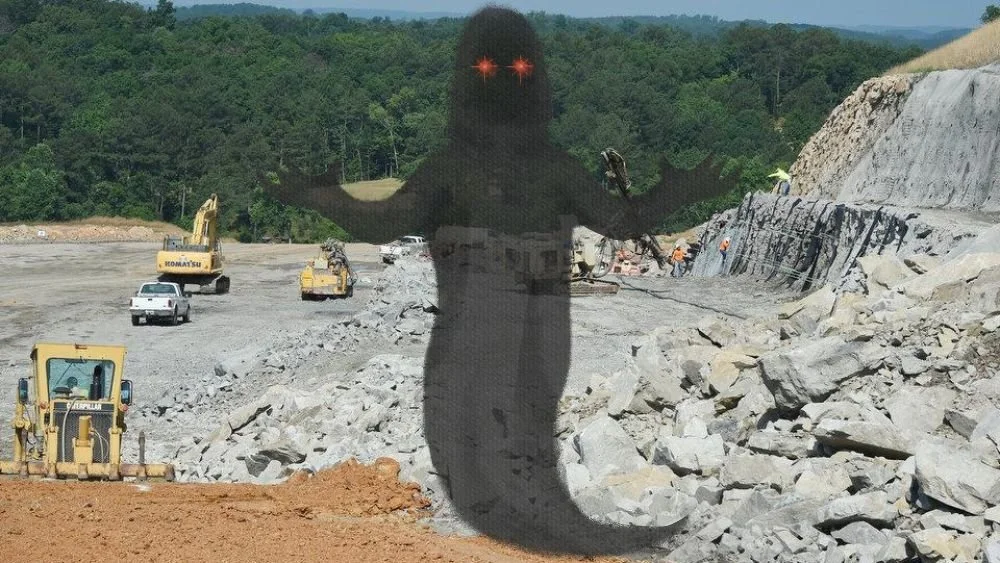
The Northern Beltline project has been haunting Alabama for over 50 years, draining money, time and energy from other more productive and desired projects. Here’s how it came about — and why it refuses to stay dead.

The Federal Reserve just cut interest rates. Some people are celebrating the move as making housing more attainable, but it's really just reinforcing the housing trap. Need proof? Look no further than the 40-year mortgage.
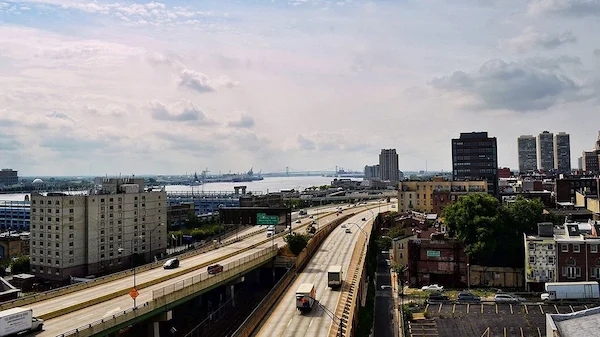
"By the time you hear of it, it's too late."

"From the moment they’re born, children are asked to adapt to a car-oriented world."

From compact blocks to old-building reuse, Jacobs’ framework offers a path for Southern cities to become financially stronger and more adaptable.
This formula for improvement is observable and repeatable. How will you apply it in your place?

The U.S. is in a massive housing bubble fueled by widespread fraud. With banks incentivized to look away and Wall Street and Washington incentivized to keep housing prices artificially high, a bottom-up approach is the only hope for bringing sanity back to the housing market.

Starbucks built its brand on being a third place — a communal hangout that fosters communication and conversation — but in recent years, its priorities have shifted to speed of service. Now, instead of returning to its roots, the corporation is trying to redefine what a third place is.
Brainerd, Minnesota’s newest addition isn't exactly cause for celebration. Instead, this “high-tech” ice machine reveals deeper issues with public investment, community apathy and neighborhood decline that can plague cities.
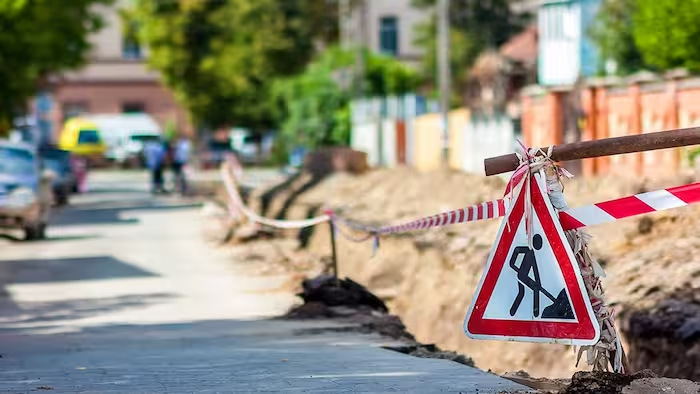
Are urban areas really more financially sustainable than suburbs? Do urban areas inherently have higher infrastructure costs? Here's what Strong Towns actually says about the Suburban Experiment and infrastructure spending.