The latest ideas, insights and action from around the Strong Towns movement.
Featured
Top Stories
.webp)
Lorem ipsum dolor sit amet, consectetur adipiscing elit. Suspendisse varius enim in eros elementum tristique. Duis cursus, mi quis viverra ornare, eros dolor interdum nulla.
.webp)
Lorem ipsum dolor sit amet, consectetur adipiscing elit. Suspendisse varius enim in eros elementum tristique. Duis cursus, mi quis viverra ornare, eros dolor interdum nulla.
Lorem ipsum dolor sit amet, consectetur adipiscing elit. Suspendisse varius enim in eros elementum tristique. Duis cursus, mi quis viverra ornare, eros dolor interdum nulla.

Lorem ipsum dolor sit amet, consectetur adipiscing elit. Suspendisse varius enim in eros elementum tristique. Duis cursus, mi quis viverra ornare, eros dolor interdum nulla.
.webp)
Lorem ipsum dolor sit amet, consectetur adipiscing elit. Suspendisse varius enim in eros elementum tristique. Duis cursus, mi quis viverra ornare, eros dolor interdum nulla.
Latest Podcasts
(Transcripts Included)
How Floor Plans Drive Families from Cities (and What Helps Them Stay)
Bringing the Strong Towns Conversation to a Growing City
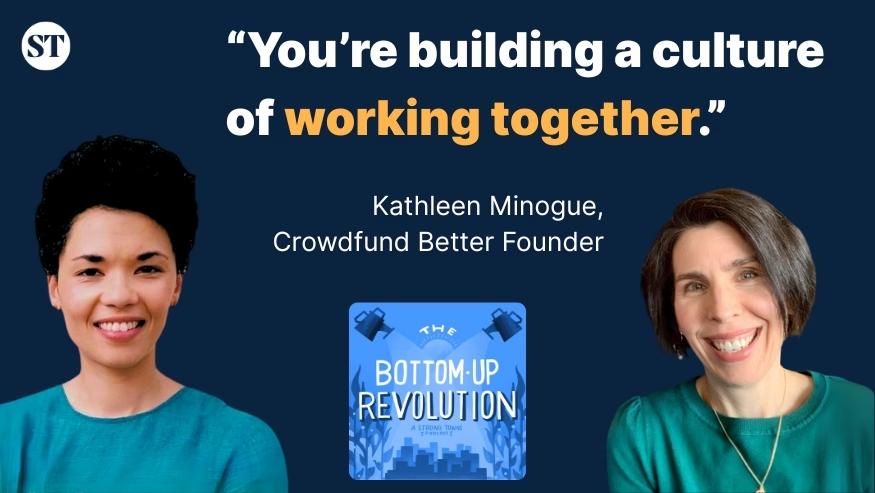
Is Crowdfunding A Good Way To Fund Local Projects?

Latest Stories

To build a strong city, you first have to understand the building blocks you’re working with and how they fit together.
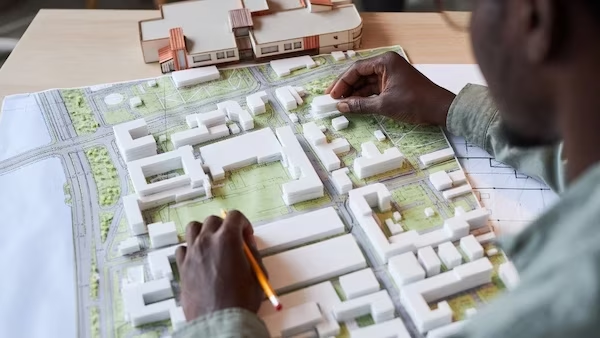
"Jane Jacobs ends through Robert Moses means" is the modus operandi of many planners and advocates. It's also a total misunderstanding of both the brilliance of Jacobs and the shortcomings of Moses.
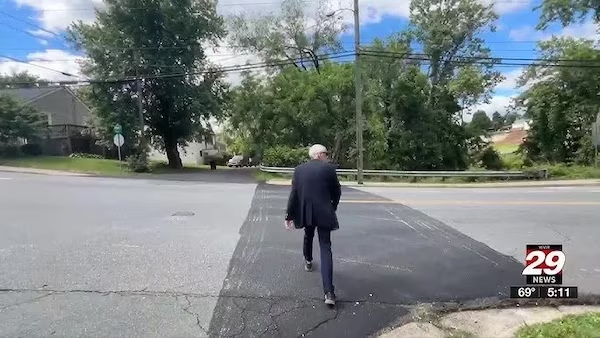
The latest fatality on a Charlottesville road was the last straw for Kevin Cox, but his efforts to make the area safer might land him twelve months of jailtime. What if cities saw actions like his not as crimes—but as calls for change?

Over 20 communities have used the Finance Decoder to turn dense spreadsheets into clear direction—proving that financial transparency doesn’t have to be dull.
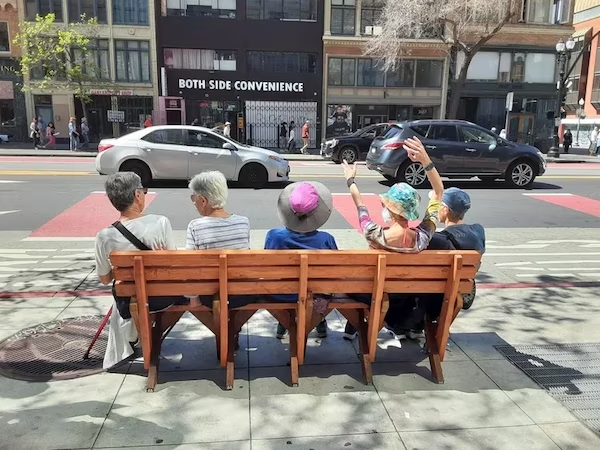
What began as a quiet act of care—building benches where none existed—just got the City of Richmond’s official blessing.
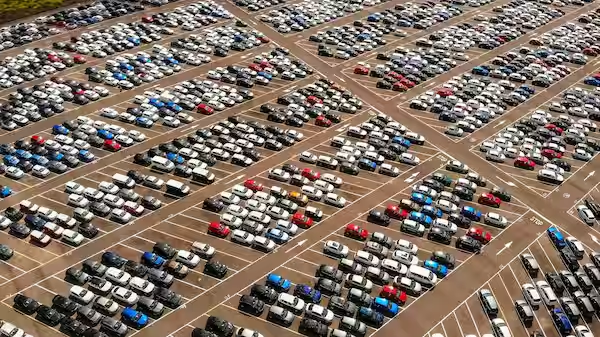
How much does parking cost? Enough to make cities rethink whether it should be mandatory at all.
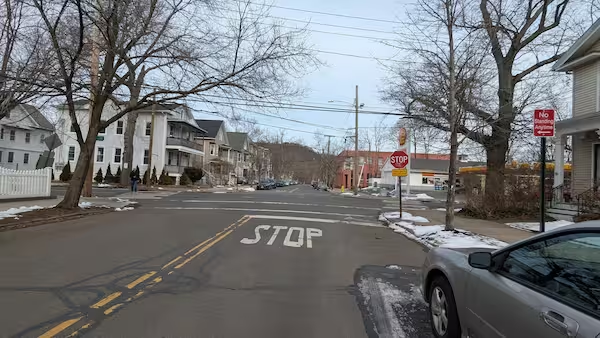
By embracing the Crash Analysis Studio model, New Haven residents are shifting the conversation away from blame and towards preventing the next tragedy.
We’re not just looking at a future where cities can’t count on federal support. We’re facing one where Washington itself might be powerless to intervene, even if it wanted to.
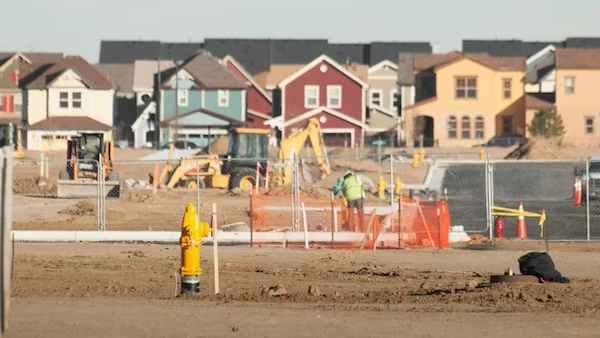
By clearing the path for more homes in more places, these places aren’t just tweaking policy—they’re rewriting the rules to build stronger, more resilient communities.
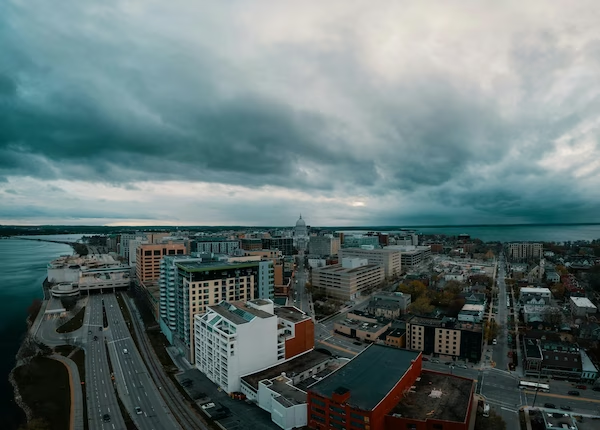
What do expensive rent, stalled construction projects, and endless parking lots have in common? Mandatory parking minimums. But in cities like Madison, Wisconsin, that might change soon.

Washington just passed one of the strongest statewide parking reforms in the country—by rethinking not just the rules, but the way we talk about them.
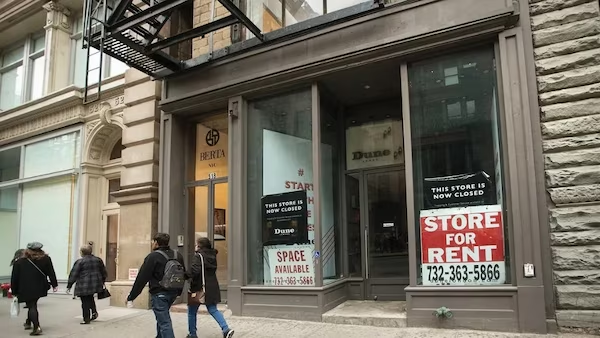
Here are eight reasons a storefront might sit vacant, applying to both professionally new built and legacy storefronts.
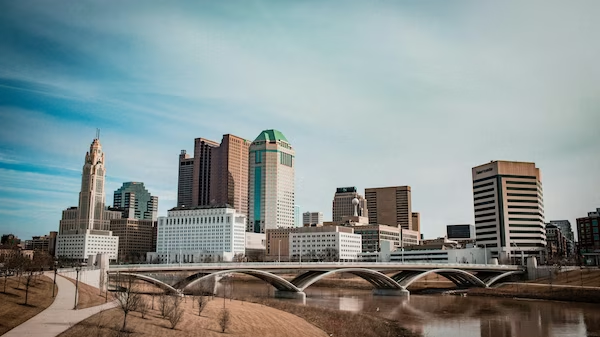
What happens when everyday people dig into a city’s balance sheet? In Columbus, it sparked a three-hour conversation—and maybe a shift in mindset.
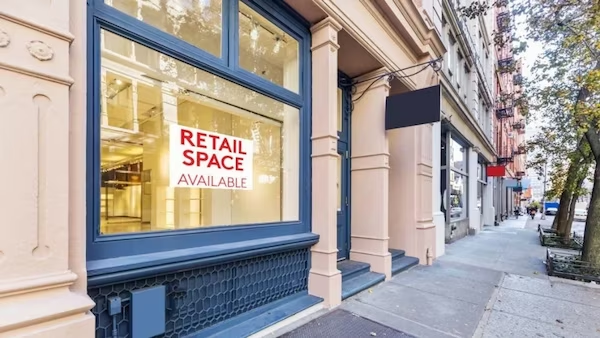
Instead of letting their commercial buildings sit empty, surely it would be better for landlords to lower the rent and got some use out of the building, right? Wrong. Here’s why.
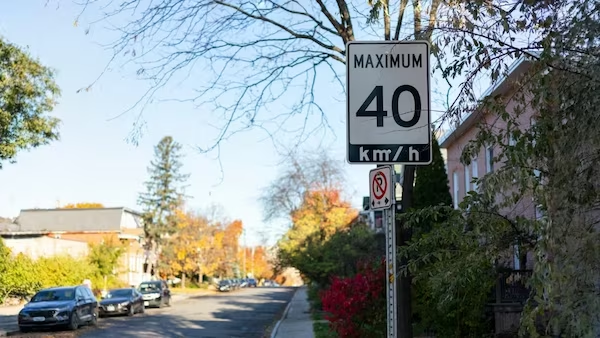
If you think cars are speeding down your residential street, you're almost certainly wrong. That doesn’t mean cars are moving at a safe speed, though.
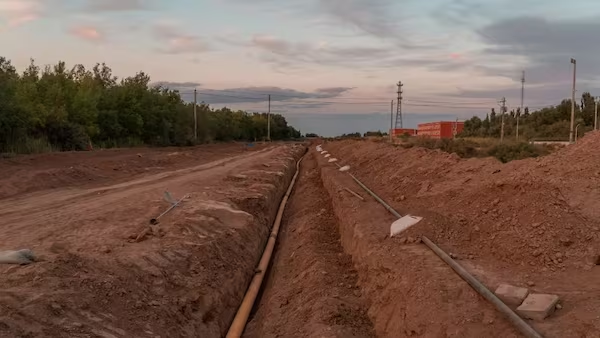
Programs that rely on federal subsidies eventually collapse—or hollow out in slow motion. That doesn’t mean we should fight harder to protect those subsidies. It means we should build towns that don’t need them.
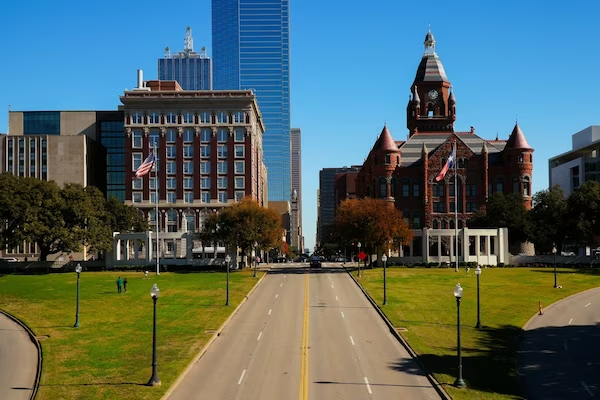
Relief for small businesses. A win for historic buildings. And room for more affordable housing. Dallas just scrapped a rule holding the city back since 1965.
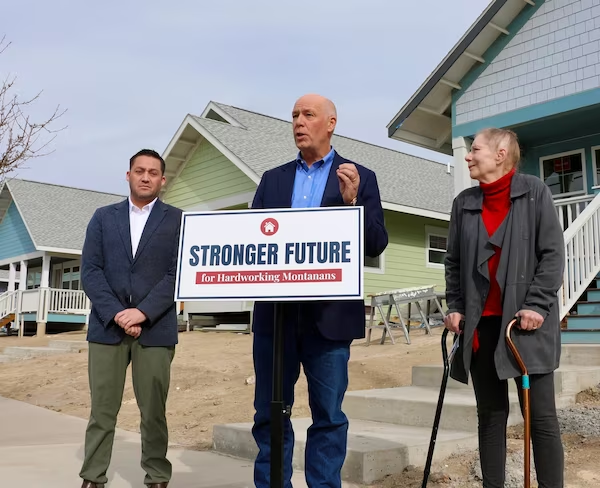
While many states grapple with housing shortages and affordability issues, Montana is proactively implementing policies to address these challenges head-on.
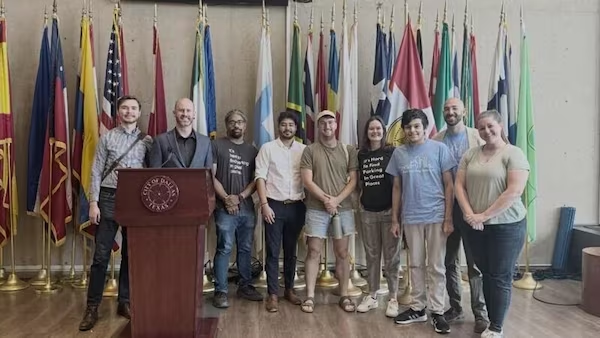
On Wednesday, the Dallas City Council passed sweeping parking reforms, making it easier to open businesses and build housing in the city.

Yuppies (young urban professionals) are fleeing the city—Diana Lind explains why it matters. This shift is reshaping housing markets and your local corner store.
.webp)
Pedestrian deaths dipped 2.6% in the first half of 2024 compared to 2023. But they're still higher than they were a decade ago. That tells us something isn't working.
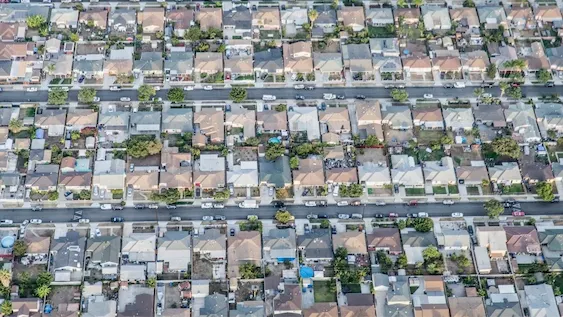
The problem isn’t that we haven’t sprawled enough. It’s that sprawl creates fragile places instead of resilient ones.
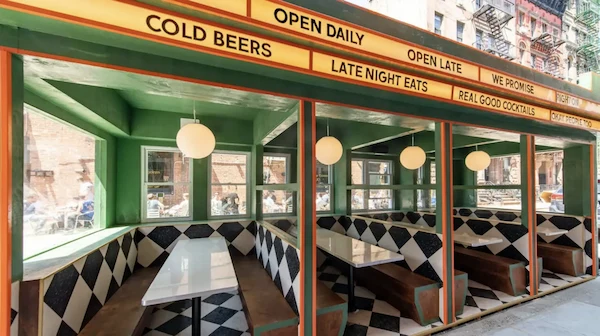
"I mean we can't have a structure. It's not a structure. It's a legally parked car. Just so happens people eat pizza in it."
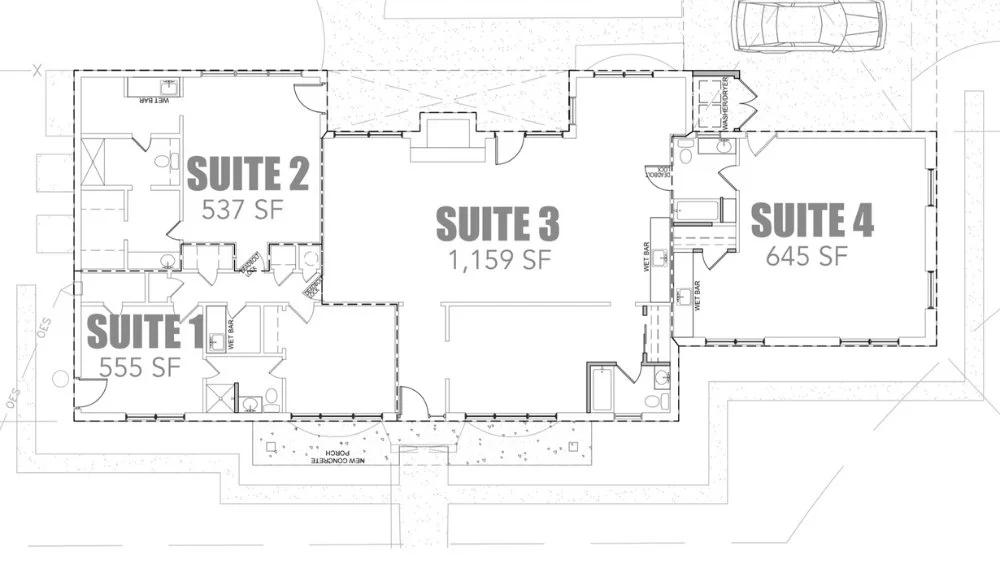
“It’s ridiculous that this kind of housing isn’t legal everywhere." How one Texas man is reimagining his single-family home.