The latest ideas, insights and action from around the Strong Towns movement.
Featured
Top Stories
.webp)
Lorem ipsum dolor sit amet, consectetur adipiscing elit. Suspendisse varius enim in eros elementum tristique. Duis cursus, mi quis viverra ornare, eros dolor interdum nulla.
.webp)
Lorem ipsum dolor sit amet, consectetur adipiscing elit. Suspendisse varius enim in eros elementum tristique. Duis cursus, mi quis viverra ornare, eros dolor interdum nulla.
Lorem ipsum dolor sit amet, consectetur adipiscing elit. Suspendisse varius enim in eros elementum tristique. Duis cursus, mi quis viverra ornare, eros dolor interdum nulla.

Lorem ipsum dolor sit amet, consectetur adipiscing elit. Suspendisse varius enim in eros elementum tristique. Duis cursus, mi quis viverra ornare, eros dolor interdum nulla.
.webp)
Lorem ipsum dolor sit amet, consectetur adipiscing elit. Suspendisse varius enim in eros elementum tristique. Duis cursus, mi quis viverra ornare, eros dolor interdum nulla.
Latest Podcasts
(Transcripts Included)
How Floor Plans Drive Families from Cities (and What Helps Them Stay)
Bringing the Strong Towns Conversation to a Growing City
Is Crowdfunding A Good Way To Fund Local Projects?

Latest Stories

US-19 in Pasco County, Florida, is one of the clearest examples of how federal transportation policy creates dangerous, expensive, and economically destructive outcomes.
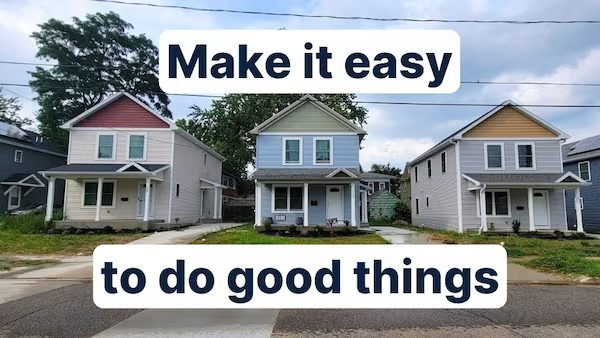
Cities shape themselves around what is easy and what is hard. If you want good development, you need to make it easy to do.

A fourplex is not a high-rise and shouldn’t be treated like one. Memphis is recognizing that.
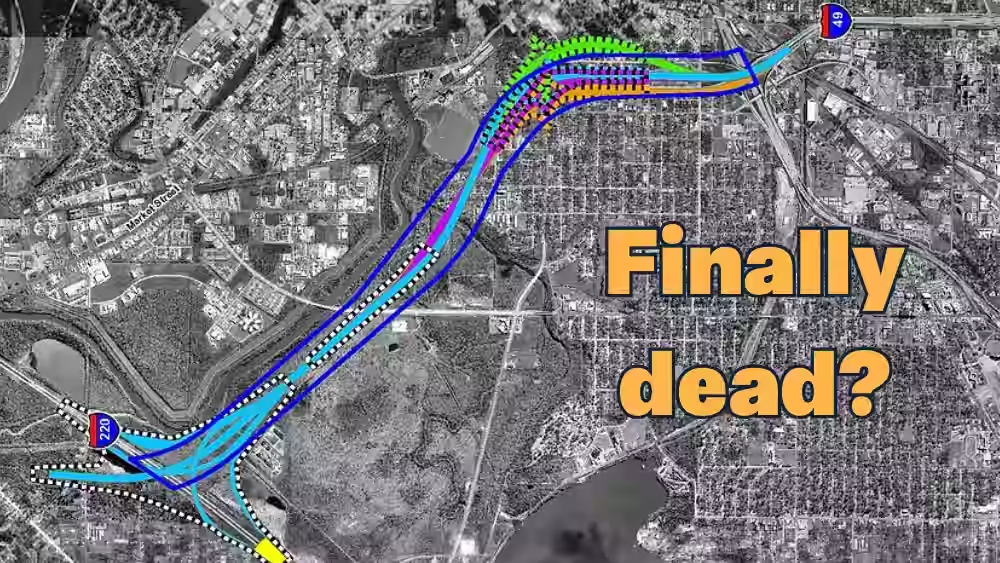
The regional government of Northwest Louisiana recently canceled discussions on the I-49 Connector project. But is this highway project really dead?
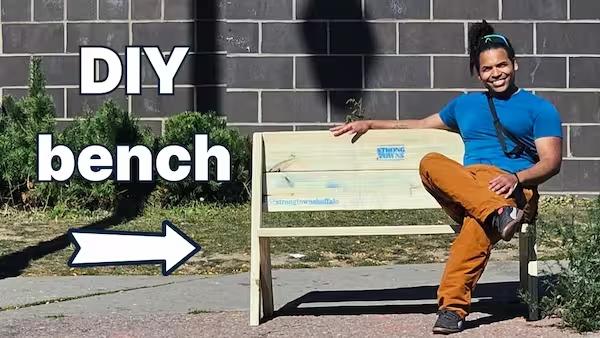
Buffalo neighbors built benches for bus stops, proving that small, bottom-up projects can have a big impact on daily life.

The challenge facing most small-scale developers isn’t vision or willpower. It’s isolation. If you want to get their builders' projects off of paper, you need to help them connect with a network.
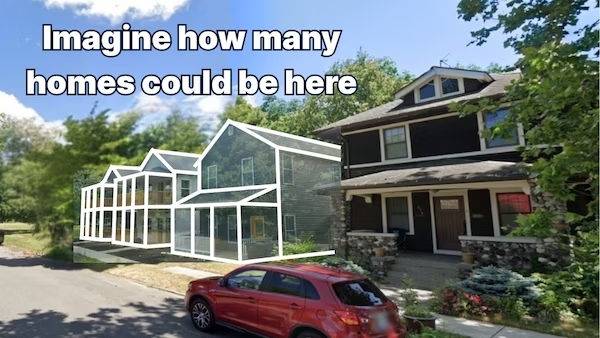
This homegrown developer is bringing practical, thoughtful, and community-focused housing to disinvested neighborhoods in South Bend, Indiana.
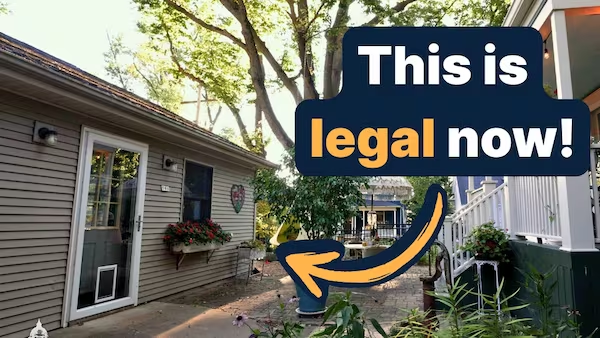
Bloomington, Illinois, just passed major housing reforms. Here's how local advocates made it happen.

Kids need free play, parents need support, and communities need connection. Expert Vanessa Elias explains how a simple block party can deliver all three.

When it comes to abundance, the way we talk about infrastructure shows whether we’re repeating old mistakes or building real resilience.
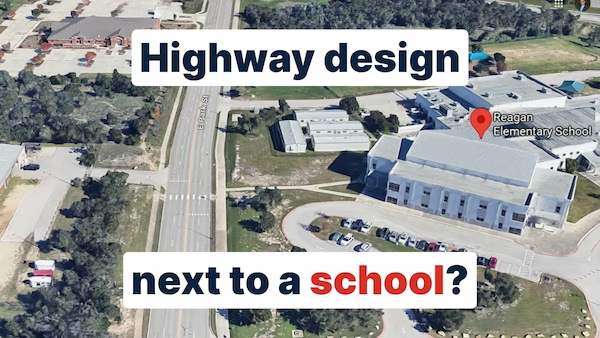
Advocates in Cedar Park, Texas, used publicly available crash data to drive major safety improvements near their schools.

Every fall brings the same story: too few school bus drivers, too many kids left waiting. Some districts throw money at the problem. Others see an opening to make walking and biking safer.

Detroit residents are leading one of the most ambitious housing revivals in the country.
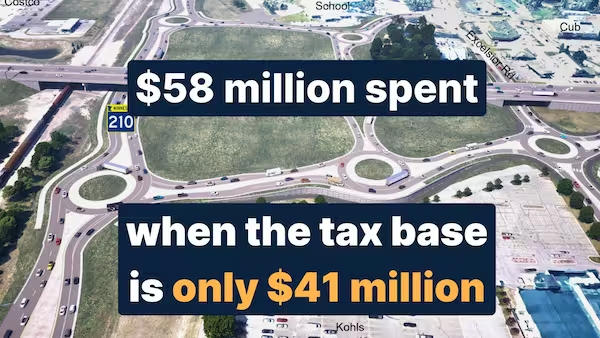
With MnDOT's buttonhook design, “supporting business” is the sales pitch, but corporate subsidy is the product.

Oakland, California, recently cut a big piece of red tape around housing, making permits available online in minutes. This is an example for all cities that need more housing.

Kalamazoo cut red tape and launched pre-approved housing plans, making it faster and cheaper to build new homes. Other cities can do the same.
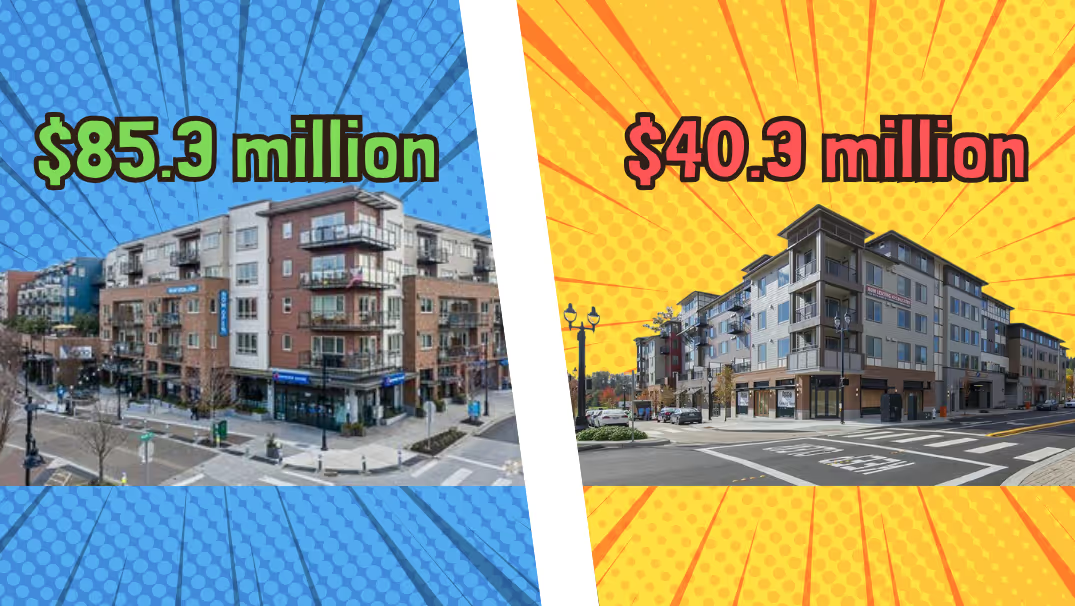
You probably wouldn’t be able to tell these two buildings apart, yet their economic performance couldn’t be more different. A deep dive by geospatial firm Urban3 shows why that’s the case.
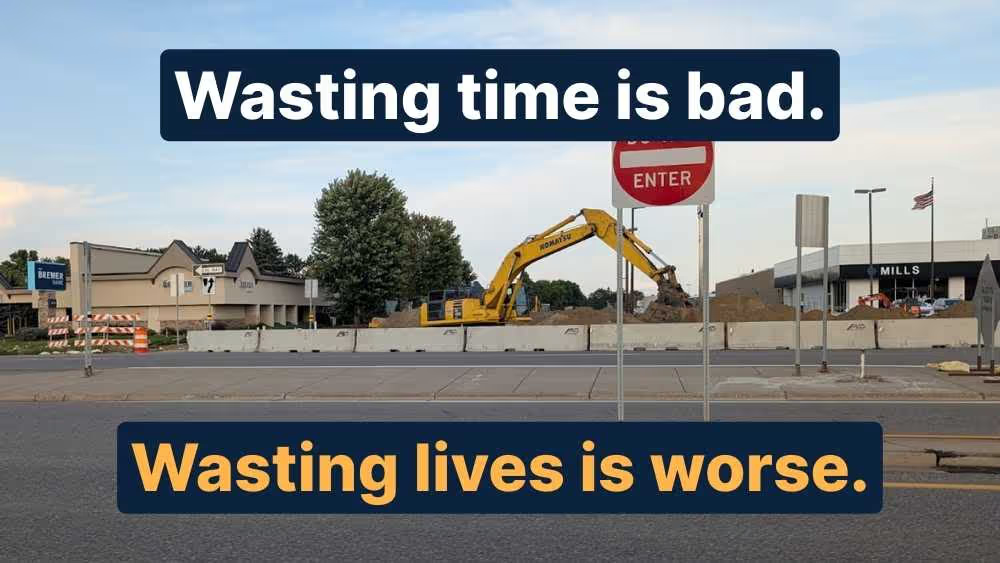
We could save lives for far less than $58 million, but only if safety were the true priority.
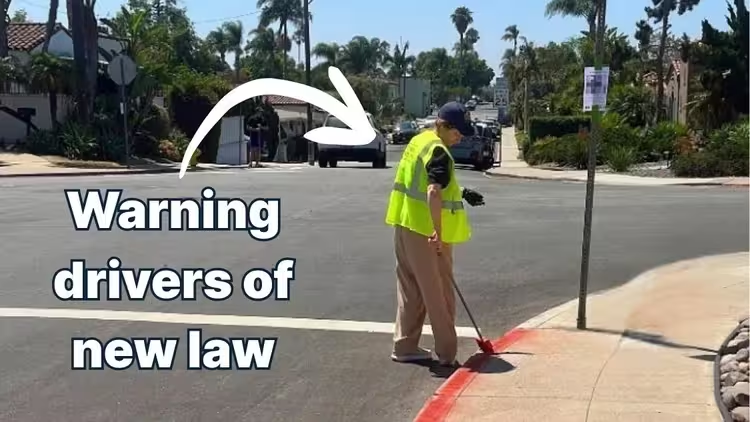
Since California's new daylighting law was implemented, unsuspecting drivers have accumulated over $700,000 in fines. Local advocates are stepping up to change that.
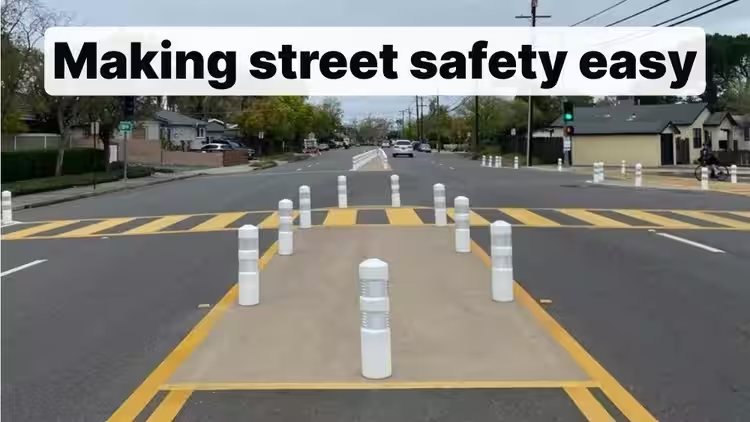
Portland’s regional government is giving communities the data and tools they need to make streets safer.
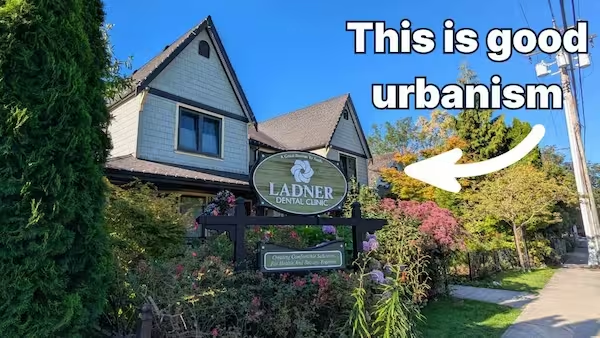
Places are not static; they are dynamic. And sometimes, “for-awhile” uses can be the bridge that gets us from stagnation to vibrancy.
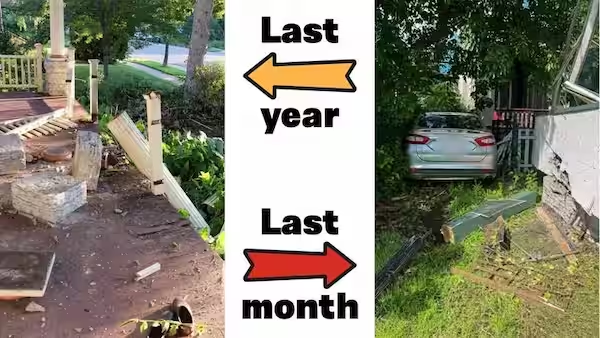
Late last month, a car smashed through a front porch along Park Avenue in Minneapolis — again. It’s time for the county to stop waiting and start acting.
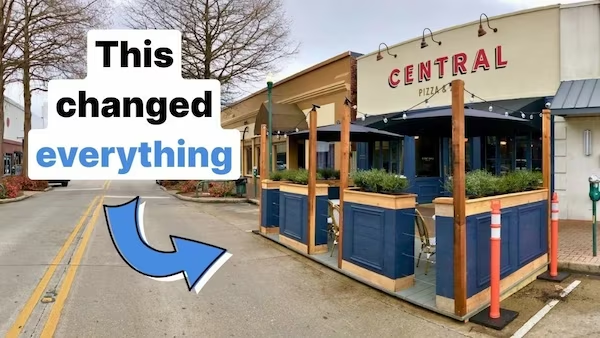
Here’s how Lafayette, Louisiana, went from a dying downtown to #6 in the country for outdoor dining.

A lesson in "never say never" urbanism. When cities attempt to prescribe the exact way a building must be used, they risk regulating away the very life of a place.