The latest ideas, insights and action from around the Strong Towns movement.
Featured
Top Stories
.webp)
Lorem ipsum dolor sit amet, consectetur adipiscing elit. Suspendisse varius enim in eros elementum tristique. Duis cursus, mi quis viverra ornare, eros dolor interdum nulla.
.webp)
Lorem ipsum dolor sit amet, consectetur adipiscing elit. Suspendisse varius enim in eros elementum tristique. Duis cursus, mi quis viverra ornare, eros dolor interdum nulla.
Lorem ipsum dolor sit amet, consectetur adipiscing elit. Suspendisse varius enim in eros elementum tristique. Duis cursus, mi quis viverra ornare, eros dolor interdum nulla.

Lorem ipsum dolor sit amet, consectetur adipiscing elit. Suspendisse varius enim in eros elementum tristique. Duis cursus, mi quis viverra ornare, eros dolor interdum nulla.
.webp)
Lorem ipsum dolor sit amet, consectetur adipiscing elit. Suspendisse varius enim in eros elementum tristique. Duis cursus, mi quis viverra ornare, eros dolor interdum nulla.
Latest Podcasts
(Transcripts Included)

How Floor Plans Drive Families from Cities (and What Helps Them Stay)
Bringing the Strong Towns Conversation to a Growing City

Is Crowdfunding A Good Way To Fund Local Projects?

Latest Stories
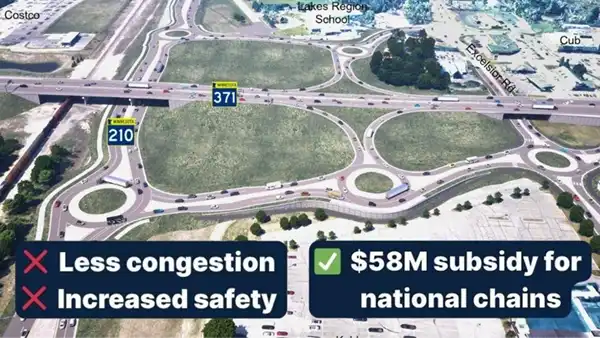
What do you get when you combine too much funding, a broken development model, and no clear priorities? A six-roundabout interchange built to serve big-box stores that are already closing.

There is nothing radical or reckless about letting your child cross the street. So why are parents across the country facing criminal charges for doing just that?

You won’t see it on cable news, but some of the boldest zoning reforms in North America are happening in places with just a few thousand residents. Here are 6 towns rewriting the rules on parking.
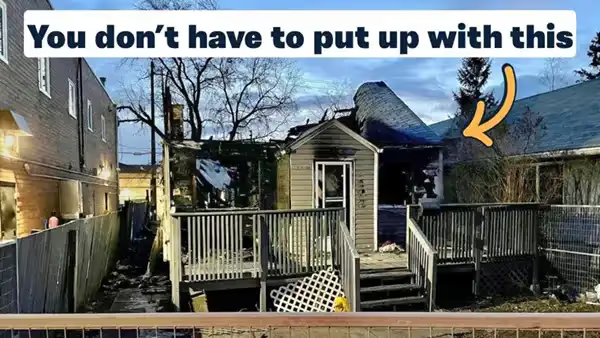
Edmonton is proving that communities don’t have to accept neglect as inevitable. Here’s how it’s turning derelict properties from liabilities into catalysts for renewal.
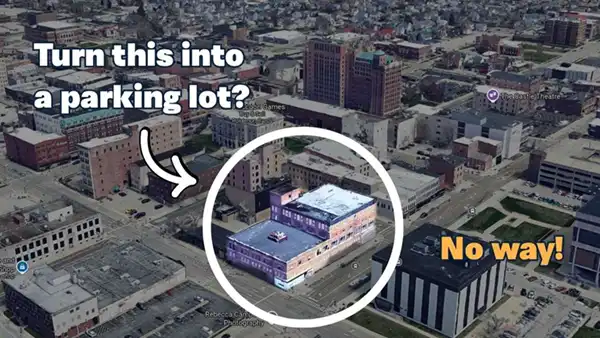
The demolition of dangerously neglected buildings gives Bloomington, Illinois, an opportunity to revitalize long-vacant parts of its downtown. Strong Towns Blono is making sure the city doesn’t waste it.

From New Mexico to Connecticut, Strong Towns advocates are turning hometown newspapers into platforms for change—using op-eds to push for housing reform that’s local, practical, and powerful.
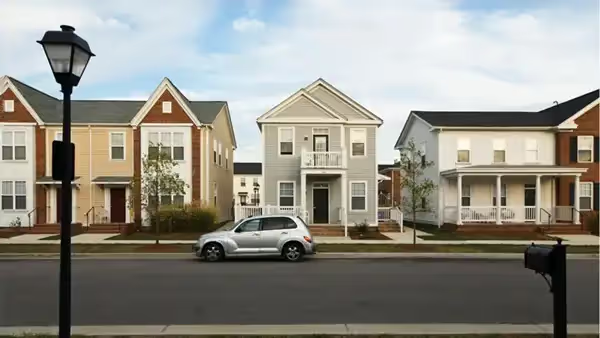
A reflection on affordability, finance, and the deep contradictions we refuse to face.
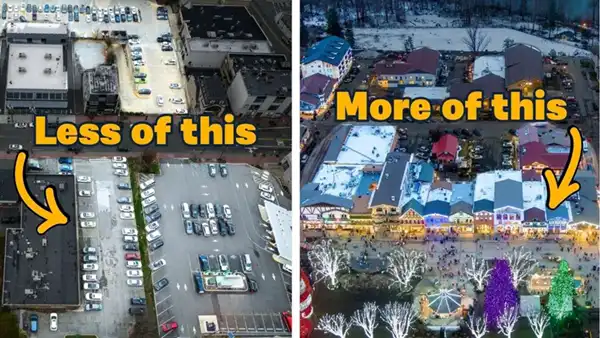
In a game-changer for housing and small business development, Washington state eliminated or capped parking mandates statewide. Here’s how they did it.
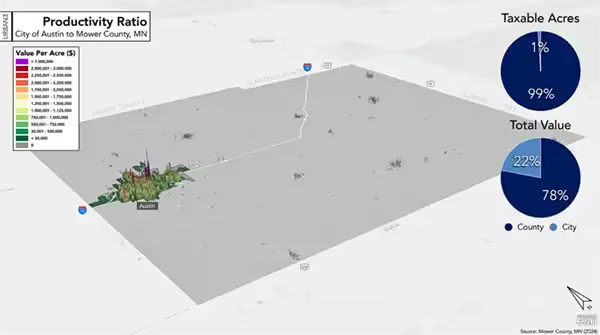
What do a taqueria, a bike shop, and an art center have in common? They’re all outpacing a retail giant when it comes to property tax revenues.
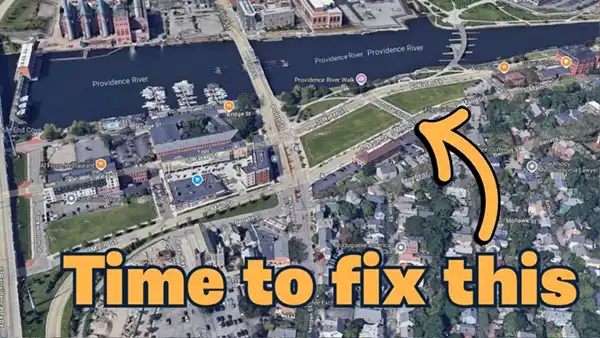
Removing an urban highway is a big win—but the work doesn’t stop there. Providence shows how cities can take the next steps to repair their communities.
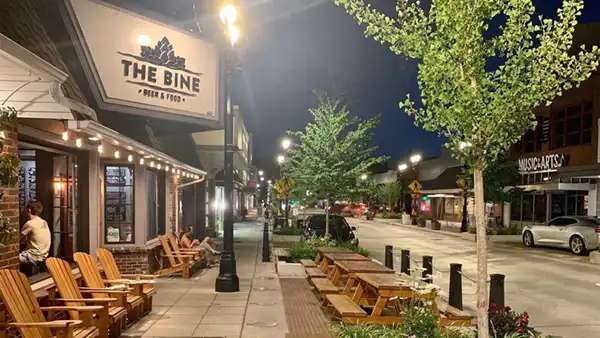
In three different states, one big idea is catching on: stop forcing parking where it’s not needed, and start building places people actually want.

When I flew halfway around the world to New Zealand, I expected it to be radically different from North America. But the problems they’re facing are strikingly, painfully familiar.
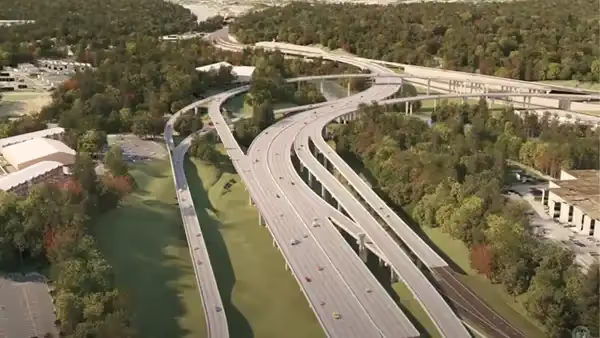
North Carolina’s I-26 Connector illustrates everything wrong with the way state DOTs operate—especially in an area still recovering from Hurricane Helene. But it also shows how these systems can change.
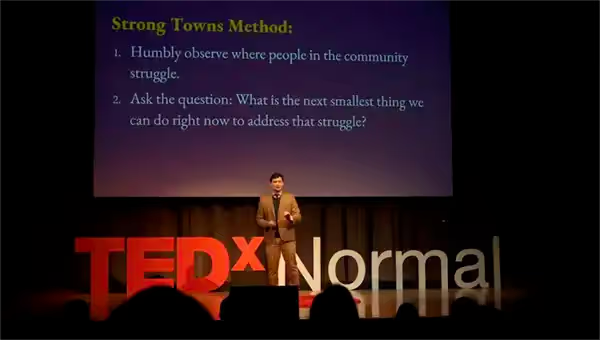
What if fixing your city didn’t require a billion-dollar plan—just a neighbor with a shovel and a bold idea? In Bloomington, a high school teacher is quietly leading a local revolution, one small step at a time.
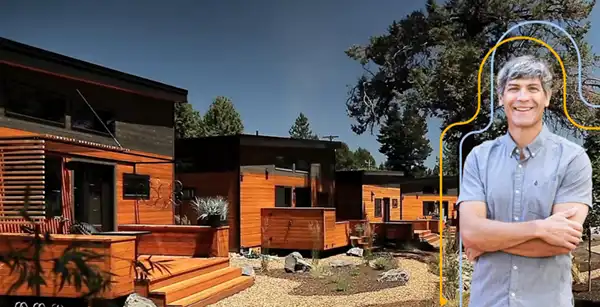
How do you grow without losing what makes your town special? In Bend, Oregon, Jesse Russell is proving it can start with smaller homes.
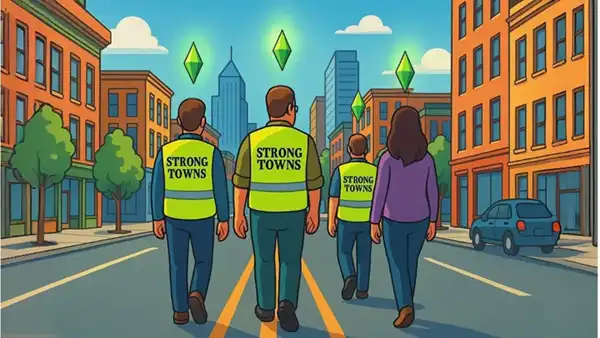
If urban planning is playing SimCity in real life, then the Strong Towns movement isn’t made up of distant players — it's made up of the Sims who live and work in the city every day. And they're taking over the game.

West Virginia’s $1.6 billion Road to Prosperity program was supposed to cover maintenance costs and reignite economic growth. Seven years later, the money’s gone and the situation has gotten worse.
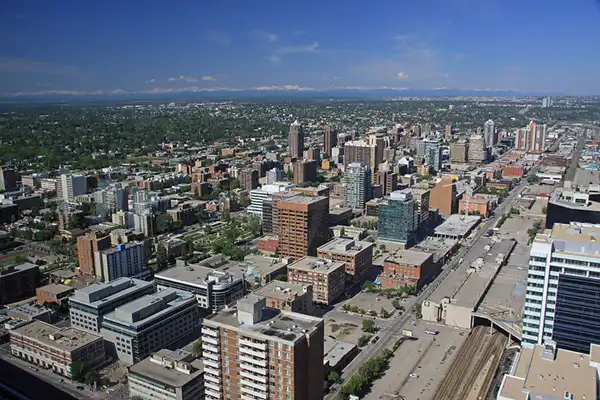
Calgary is cutting delays—not corners—to deliver more housing where it’s needed. And your city should be paying attention.
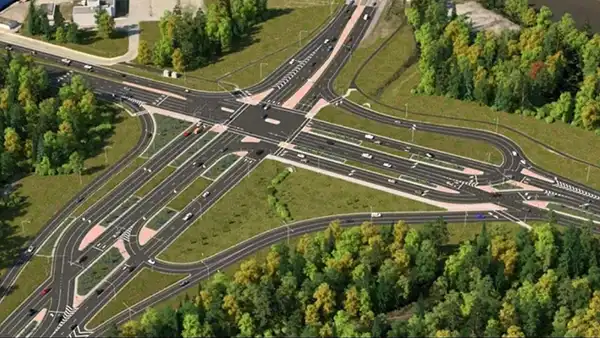
An intersection redesign in Fairbanks, Alaska, proves that road projects are not always improvements—and that DOT priorities are often out of touch with reality.

Bangor, Maine, isn’t holding out for silver bullets. It’s getting to work—clearing the way for more homes in creative, community-minded ways.
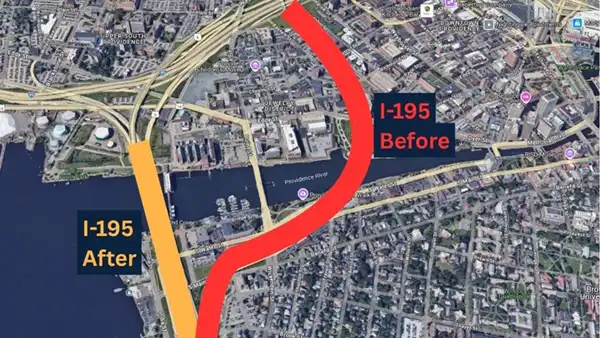
In 2011, the Rhode Island Department of Transportation decided to do something extremely unusual: It removed an urban highway. Here are three lessons to learn from their success.
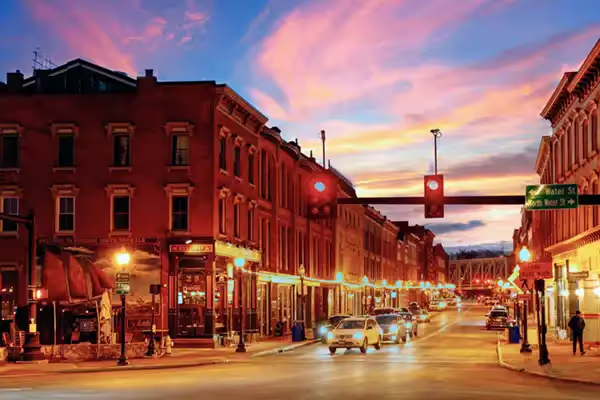
As Norwalk navigates a housing crisis, one thing is clear: the path forward isn’t scale for scale’s sake—it’s building smarter, more affordably, and with the community in mind.

A couple of weeks ago, Chuck did a Q&A about how the book “Abundance” differs from the Strong Towns approach. There were some good questions, so we’ve consolidated his answers here.

While urban planning can sound boring, how we choose to live is as fundamental a question as exists.