The latest ideas, insights and action from around the Strong Towns movement.
Featured
Top Stories
.webp)
Lorem ipsum dolor sit amet, consectetur adipiscing elit. Suspendisse varius enim in eros elementum tristique. Duis cursus, mi quis viverra ornare, eros dolor interdum nulla.
.webp)
Lorem ipsum dolor sit amet, consectetur adipiscing elit. Suspendisse varius enim in eros elementum tristique. Duis cursus, mi quis viverra ornare, eros dolor interdum nulla.
Lorem ipsum dolor sit amet, consectetur adipiscing elit. Suspendisse varius enim in eros elementum tristique. Duis cursus, mi quis viverra ornare, eros dolor interdum nulla.

Lorem ipsum dolor sit amet, consectetur adipiscing elit. Suspendisse varius enim in eros elementum tristique. Duis cursus, mi quis viverra ornare, eros dolor interdum nulla.
.webp)
Lorem ipsum dolor sit amet, consectetur adipiscing elit. Suspendisse varius enim in eros elementum tristique. Duis cursus, mi quis viverra ornare, eros dolor interdum nulla.
Latest Podcasts
(Transcripts Included)
How Floor Plans Drive Families from Cities (and What Helps Them Stay)
Bringing the Strong Towns Conversation to a Growing City

Is Crowdfunding A Good Way To Fund Local Projects?

Latest Stories
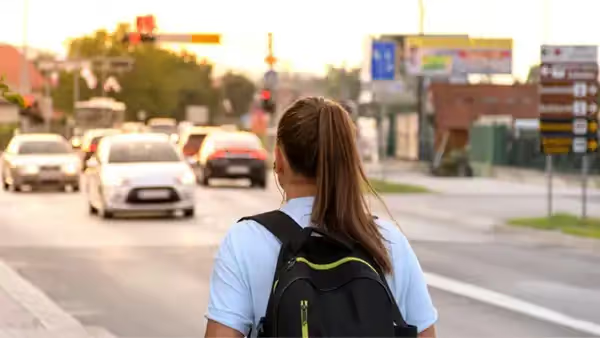
Student journalist William Donofrio is part of a growing group of changemakers who are noticing, documenting, and sharing the struggles their places face.
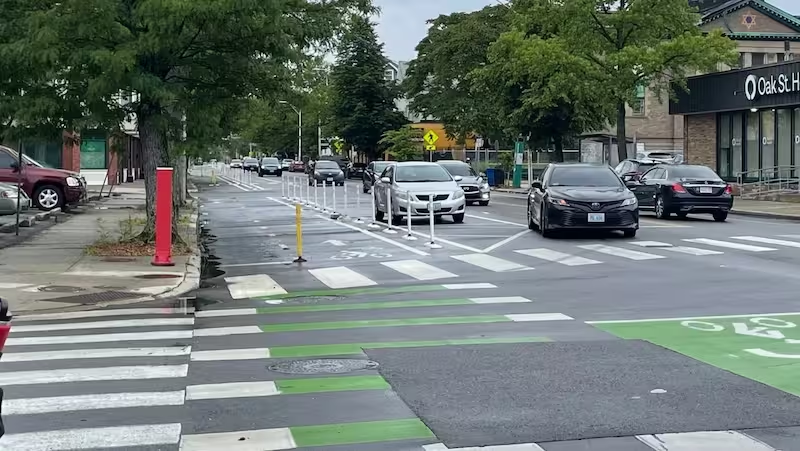
How did one of the most dangerous streets in Rhode Island turn into a safe and comfortable place for people to walk, bike, and shop? It’s all about community and local context.
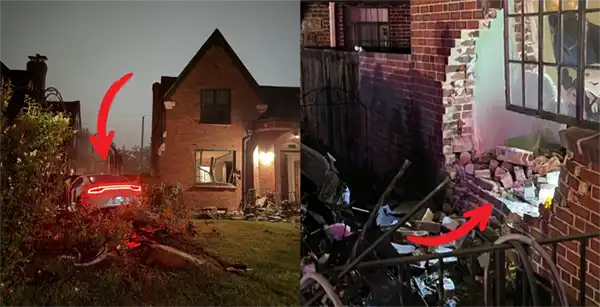
The house is beautiful. The neighborhood is charming. The street? Designed like a drag strip—and it's launched multiple cars into one family's living room.
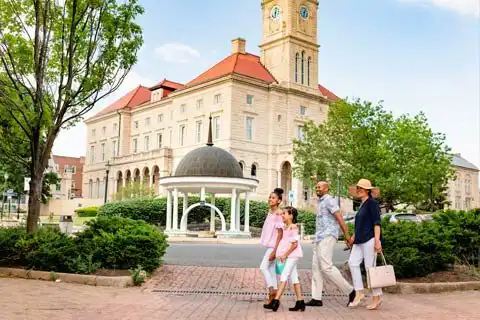
Harrisonburg skipped the renderings and went straight to the street—using a live demo to calm traffic and earn back trust.
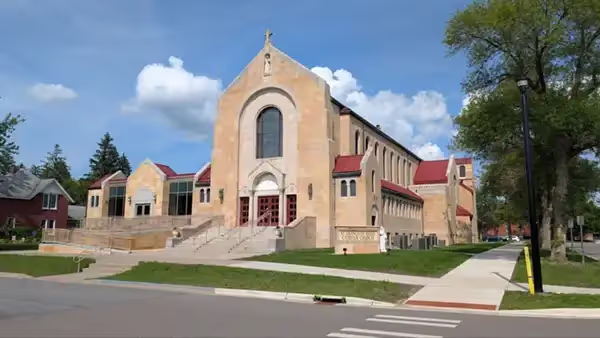
It’s easy to get angry or check out when faced with your place’s continued decline. That doesn’t mean you should stop fighting for it.

How do you make streets safer when your tools made them unsafe in the first place? If you’re the Maryland Department of Transportation, you start building a new toolbox.
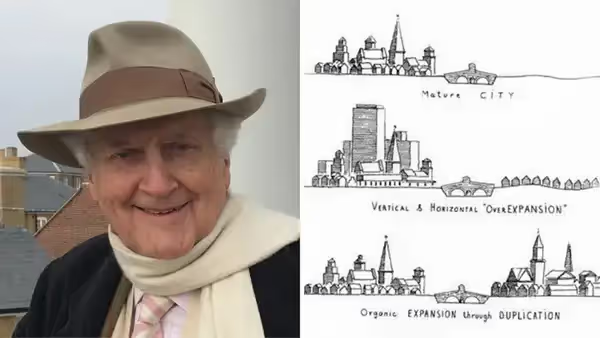
Leon Krier leaves behind a generation of designers, planners, and urbanists who see the world differently because of him. I owe him more than I can put into words.

When we recognize the housing crisis as a systems and strategy problem, we realize that there is no shortage of things cities can do right now to address it.
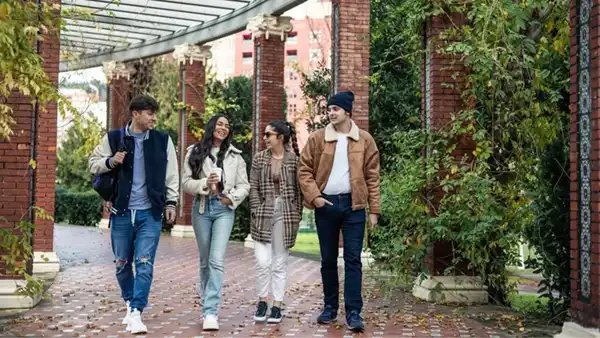
Instead of relegating walkability to college campuses and tourist towns, let’s embrace it as a key to community strength.
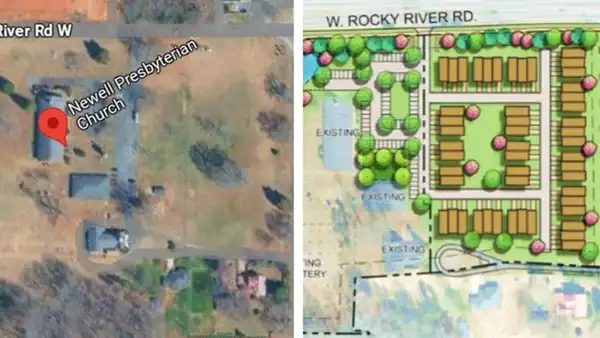
Charlotte, North Carolina, is in the middle of a housing crisis. Churches are stepping up to help.
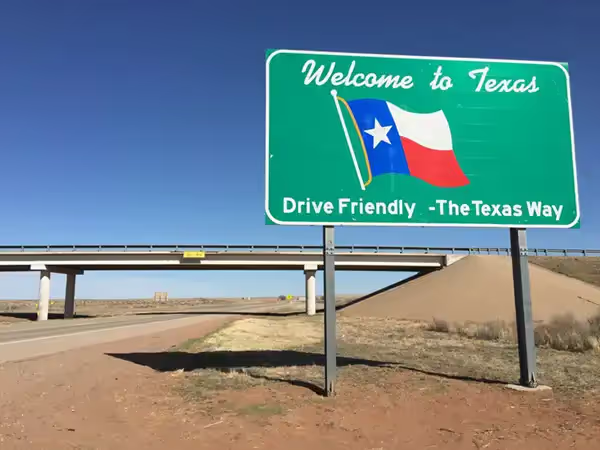
Some call it watered down, others call it overreach. But there’s no denying this new Texas bill nudges housing policy in the right direction.

It comes down to stewardship, empathy, and humility.

Iowa’s new ADU law puts power in the hands of homeowners, not just developers—and makes it easier for grandma to stay close to home.
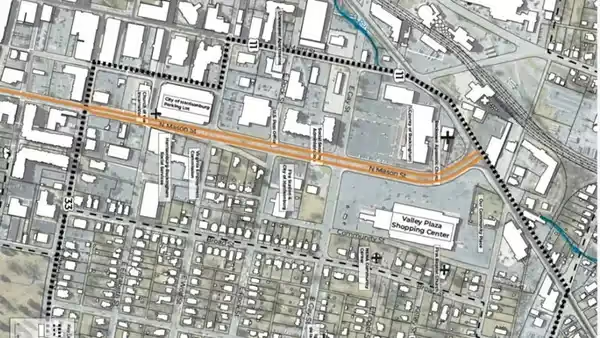
City staff in Harrisonburg, Virginia, are embracing a process of co-creation with the public they serve. Here’s what that means.
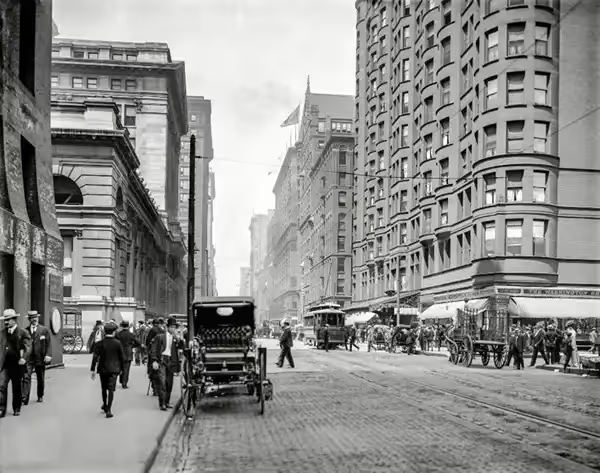
It’s time to make the beloved housing solution that turned Chicago into a bustling, modern city legal again.
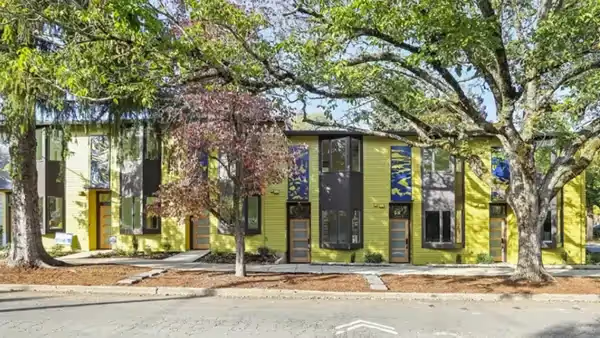
Portland’s zoning overhaul is producing what every city says it wants: more homes people can actually afford.
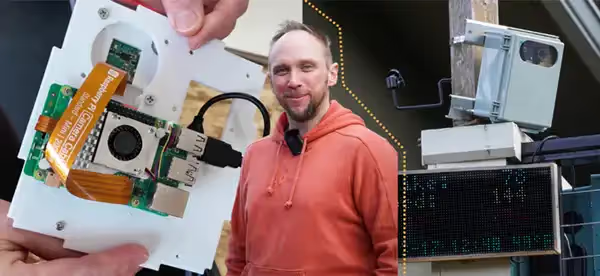
In Portland, Oregon one neighbor’s DIY device is quietly collecting the kind of street data cities can’t ignore—and that neighbors have known all along.
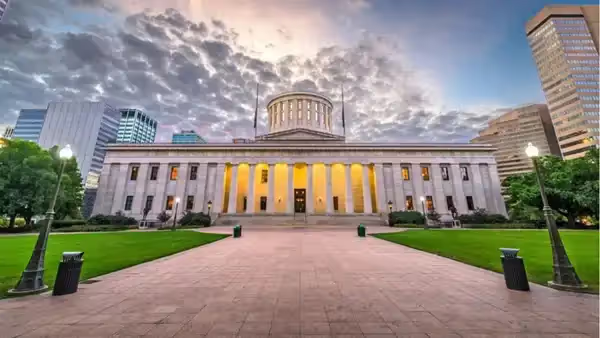
Abundance looks to reform from above. We think you shouldn’t wait for permission.

Instead of waiting for someone else to fix their community’s transit problems, this group of local advocates took initiative with something simple—and powerful.
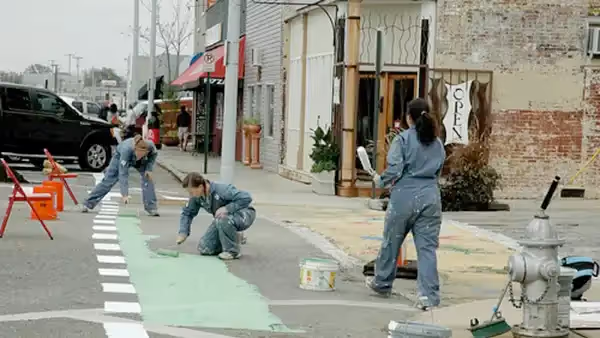
Tactical urbanism is changing the way we approach city-building—here are five studies, toolkits, and guides to help you get started where you live.

John Gall’s home sits at the base of a T-intersection—a spot where, in theory, drivers are supposed to turn either left or right. But that’s not what keeps happening.
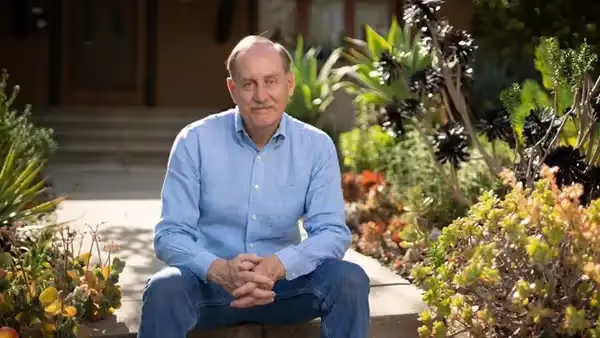
From school integration to budget reform, Rick Cole has spent his life encouraging cities to meet their residents’ needs in smart and sustainable ways. Here's his advice for city officials.
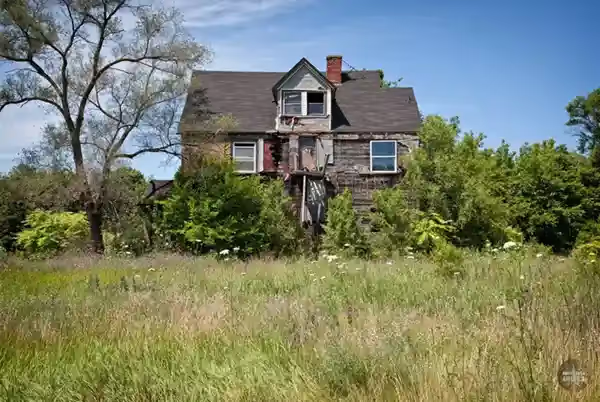
In Lawrence, Indiana, a new housing task force is turning local tools into real solutions to tackle the town’s growing housing crisis head-on.
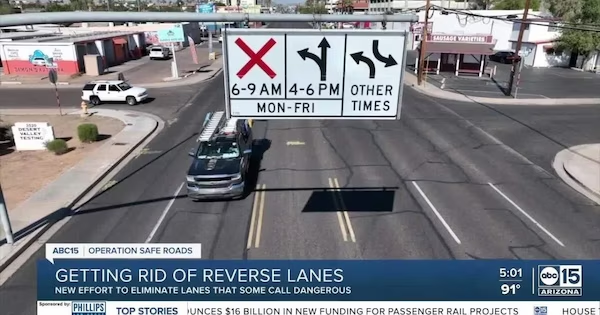
If crashes happen in the same place over and over, is it really an accident? Phoenix residents say no—and they have the data to prove it.