%20(1).avif)
How known modeling errors keep the federal expansion machine running.
.avif)
A grassroots group is helping this lakefront city rethink safety, one experiment at a time.
.avif)
.avif)
After the sirens fade, the system starts to break down.
.avif)
Vacant land undermines street life, public confidence, and investment momentum. Temporary uses communicate that a place is worth investing in.
%20(1).avif)
What the city reveals about the fundamental flaw in how we do public finance.
.avif)
Let’s not tax houses to subsidize cars.
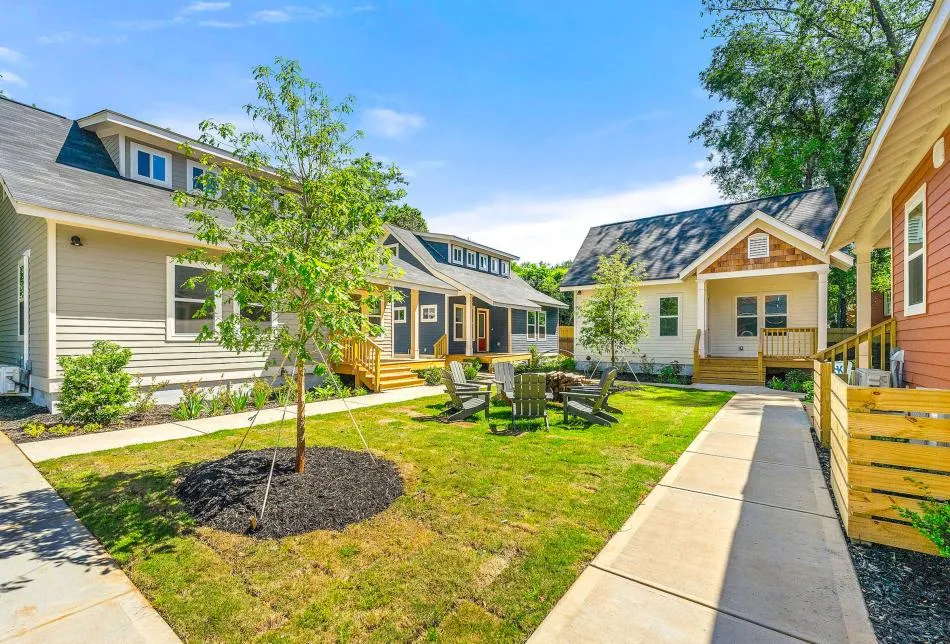
Clever design creates more housing on small sites.
.avif)
When cities expand their boundaries, they aren’t just adding land, they’re taking on decades of financial obligations that short-term metrics fail to capture.
.avif)
How federal transit funding rewards visible transformation over real performance.
%20(2).avif)
Stop asking people to imagine change. Instead, let them experience it.
.avif)
When the factory closed, West Allis, WI, didn’t chase a silver bullet. Instead, it built a stronger future piece by piece.
.avif)
By testing small, temporary changes, Madison, WI, is building safer streets and a culture of continuous improvement.
%20(1).avif)
New Zealand is confronting a reality many cities are still avoiding.
.avif)
You can’t plan a community into existence.
.avif)
What if the real constraint on housing isn’t just zoning?
.avif)
Every road transfer is a promise to pay for it later.
%20(1).avif)
What to do when “allowed” doesn’t mean “possible.”
%20(1).avif)
Real change happens when inside nudges meet outside pressure.
%20(3).avif)
When cities measure mobility by speed, they often make everyday life harder to reach.
%20(1).avif)
How federal funding distorts local streets.
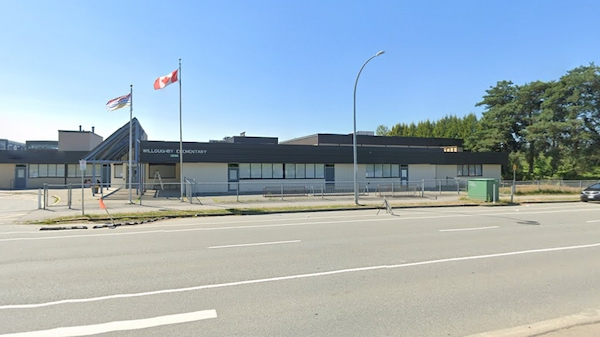
A land swap in Langley, British Columbia, shows how early planning assumptions can create long-term problems for growing neighborhoods.
.webp)
What we lost when we stopped building cities around their public rights-of-way.
.webp)
How can we repurpose church parking lots for the better?